MAIN CONTENT
Diplomatic spectacle without substantive policy breakthroughs
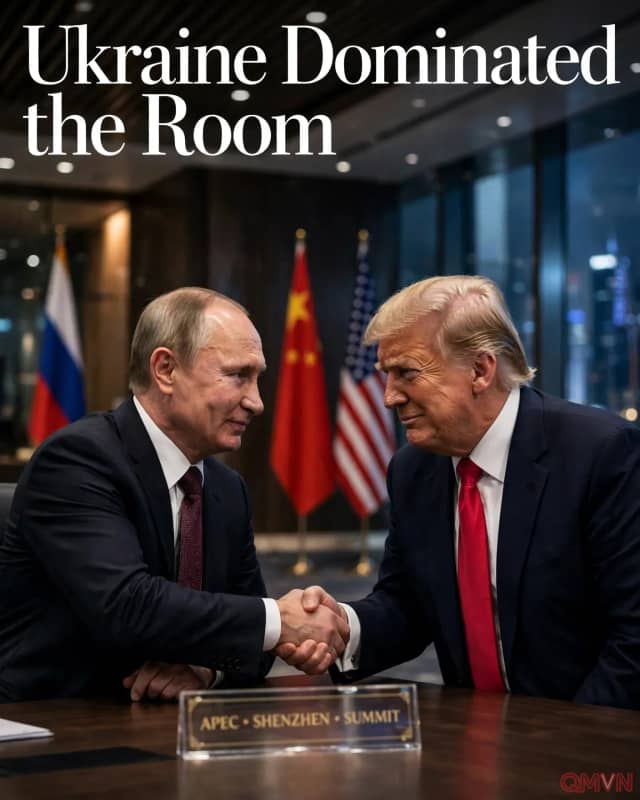
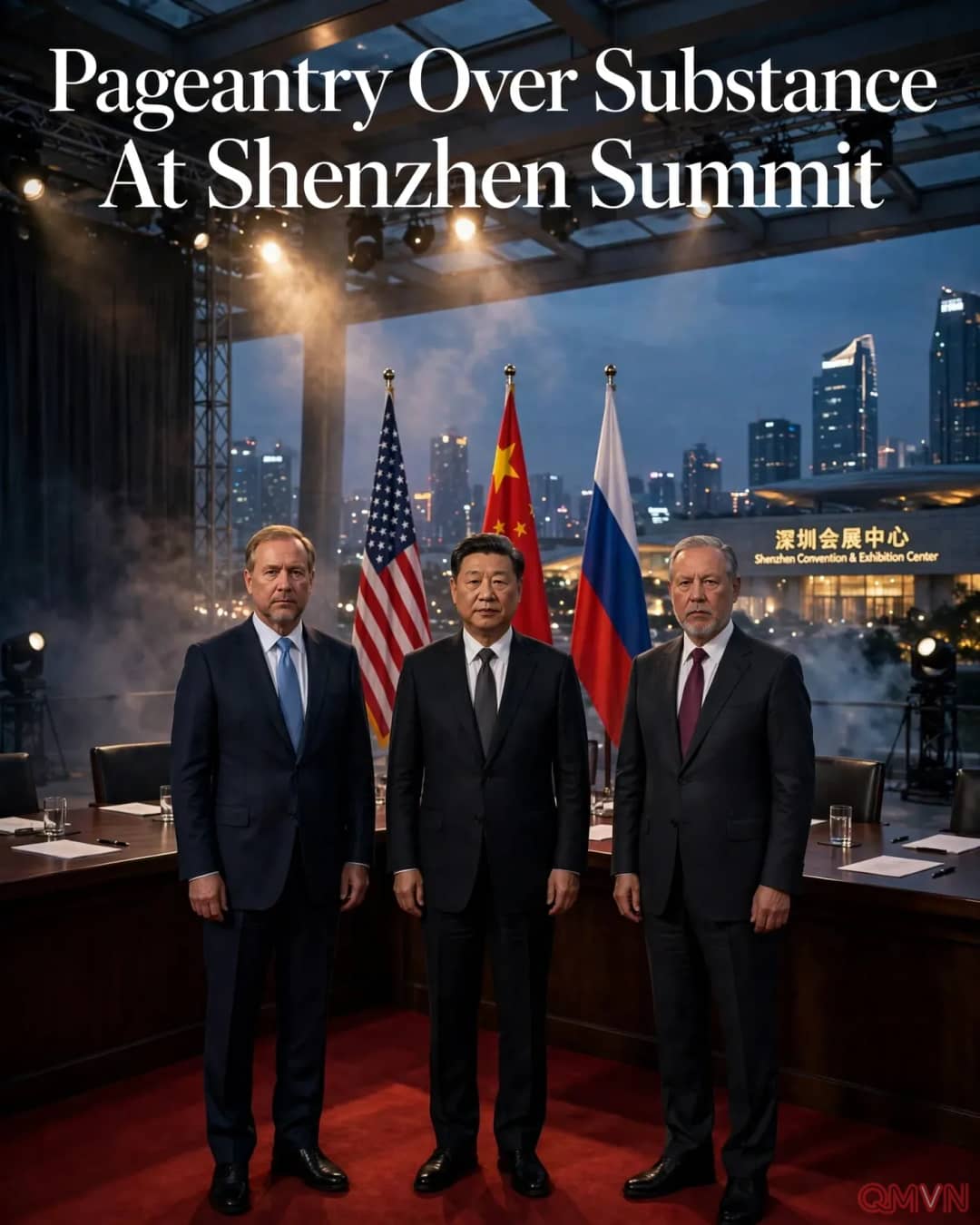
Arriving at Kylin Villa in Shenzhen after his Republican Party lost control of Congress in this month's midterm elections and domestic polling suffered amid an unpopular stalemate in the conflict with Iran, United States President Donald Trump sought an international showcase to reassert global momentum. Yet rather than delivering concrete strategic agreements, the trilateral encounter centered on high-profile symbolism.
The three leaders endorsed a joint peace declaration against nuclear war and agreed to hold a nuclear risk reduction dialogue without a set timeline, while leaving major disputes unresolved:
No plans emerged for three-way arms control negotiations long sought by Trump, with Beijing resisting limits given its smaller nuclear arsenal compared with the United States and Russia.
No signs of progress appeared on resolving the conflict with Iran, Russia's four-year war against Ukraine, or tensions surrounding Taiwan.
No narrowing of differences was announced on bilateral trade disputes or governance and competition in artificial intelligence.
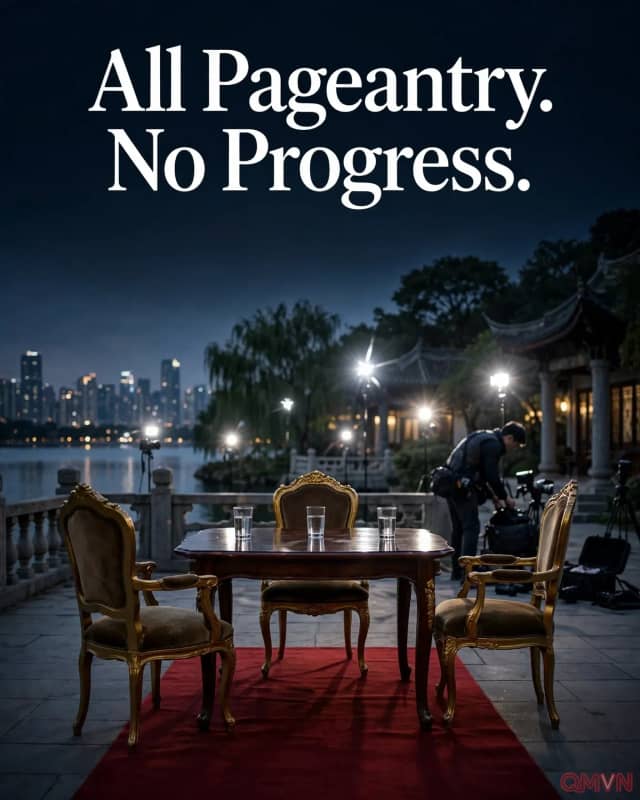
"Trump has always loved the pageantry and the sense that he's sitting down with the most important people in the world, and he got that moment, but as in other summits, it's hard to see any substantive progress made on any major issue." Christopher Preble
Uneven geopolitical gains for Beijing, Moscow, and Washington
According to foreign policy analysts, glossing over core disagreements in Shenzhen produced asymmetrical diplomatic benefits among the three leaders. Chinese President Xi Jinping strengthened his international standing by hosting a major-power summit on home soil, while Russian President Vladimir Putin — leading a comparatively smaller economy — projected parity alongside the world's two foremost powers without making major concessions.
Conversely, several analysts warned that the optics in Shenzhen could diminish Trump's global stature as he enters a more constrained legislative phase at home while bolstering two of Washington's principal adversaries. Responding to Reuters, White House spokeswoman Anna Kelly said that after four years of weakness under former President Joe Biden, Trump restored American strength and demonstrated the respect world leaders accord the United States.
"Trump keeps acting like he struck the diplomatic deal of the century, but he didn't secure any meaningful commitments from China or Russia that will last even a millisecond." Charles Schumer
European frustration, domestic pushback, and what comes next
In Europe, the Shenzhen meeting drew sharp indignation as allied leaders gathered in Berlin to reaffirm support for Ukraine while Trump referred to Putin as a friend and European governments were excluded from the talks. German Chancellor Friedrich Merz remarked that the Shenzhen gathering appeared first and foremost to be a photo opportunity, while noting it bore little resemblance to the week-long 1945 Yalta Conference that shaped postwar spheres of influence.
Back in Washington, Senate Democratic leader Charles Schumer branded the summit a historic embarrassment ahead of a shift in congressional power in January. With two years remaining in his term and broad constitutional authority over foreign affairs, analysts expect Trump to maintain his unpredictable personal approach — including when he hosts Group of 20 leaders at his Florida golf resort in mid-December.
"Ultimately the proof of all of this is what is the resolution in Iran, what is resolution in Ukraine, if any; that's how this will be judged over history." Josh Lipsky