MAIN ARTICLE
Brexit returns to the political agenda
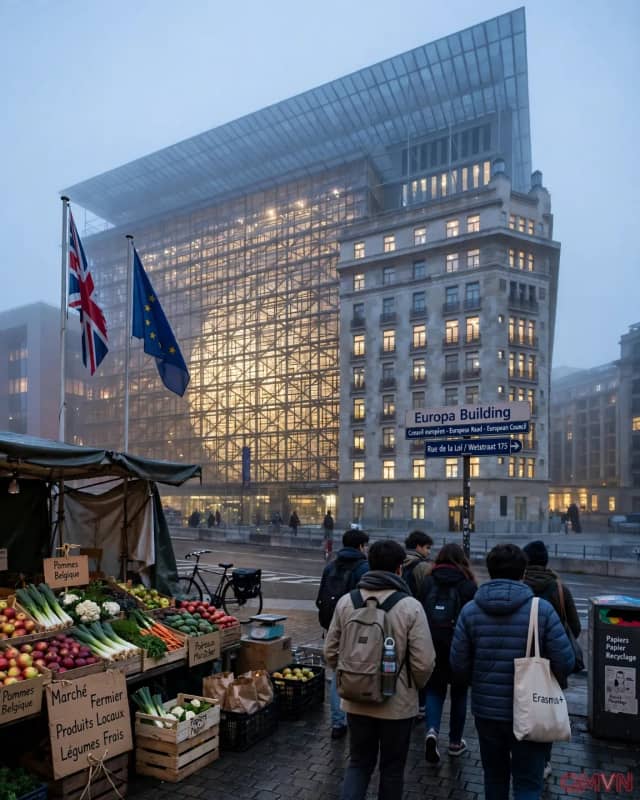
On October 12, Andy Burnham told Parliament that Britain should seek a fresh relationship with the European Union. Reuters reports that the Brussels summit scheduled for November 20 could consider food standards, agricultural trade, carbon-market links and youth mobility. Agreements in these areas might lower friction for businesses, but negotiation and implementation would take time. They would not, by themselves, mean an imminent return to EU membership.
There are competing interpretations. Supporters of closer ties see a route to lower trading costs and stronger cooperation. Critics worry about regulatory concessions, financial commitments and sovereignty. A credible programme must distinguish achievable short-term agreements from the distant political question of rejoining, while acknowledging that even successful talks cannot replenish this winter’s fodder stocks.
Dry fields and depleted winter reserves
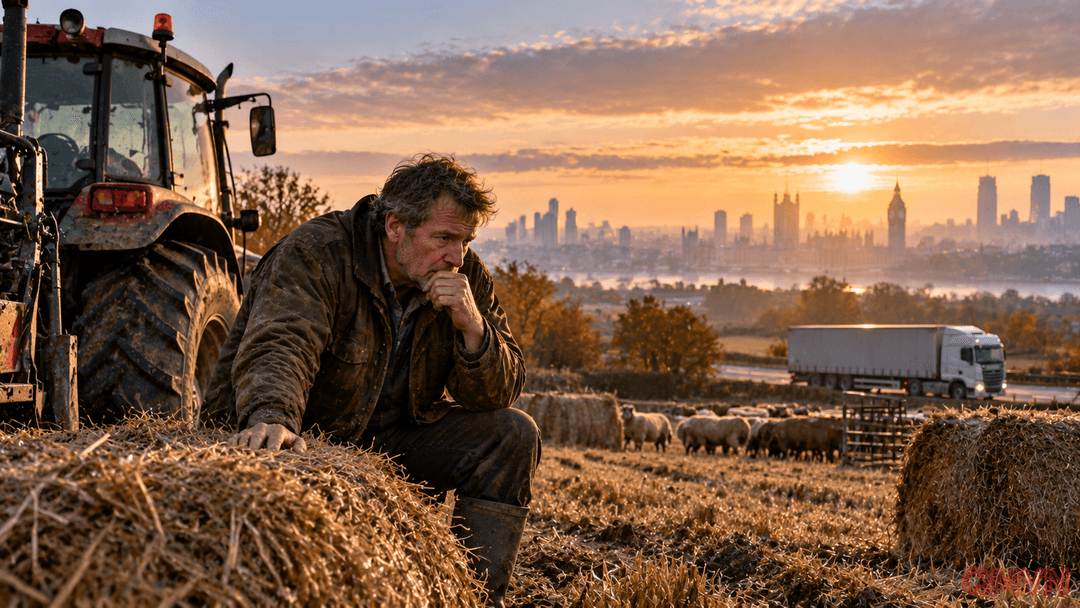
Agricultural concerns are not solely the product of political commentary. Official Environment Agency drought reports from summer 2026 documented early harvesting, pressure on cereal yields and weaker grass growth.