MAIN CONTENT
One community, many political identities
There is no single LGBTQ+ vote
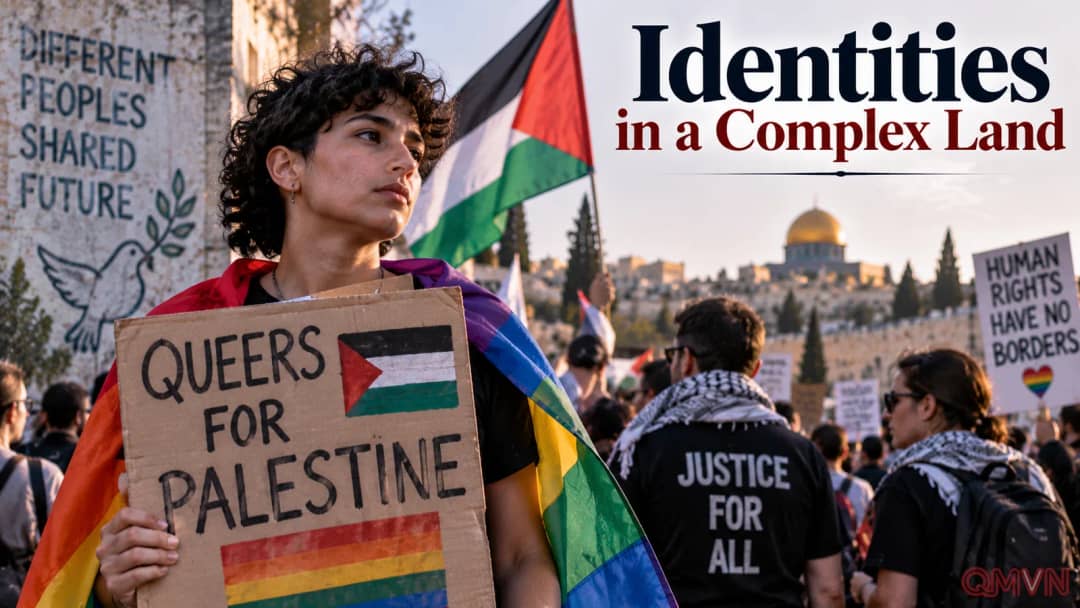
Haaretz examines LGBTQ+ politics at an exceptional moment: Israel is approaching its first general election since the Hamas-led October 7 attack and the Gaza war that followed. Its interviews show gay, lesbian, bisexual, transgender and queer Israelis holding sharply different political positions. Some participate in anti-war movements and “Queers for Palestine” activism; some are proud military reservists; many occupy an uncomfortable middle ground, concerned both about Israeli security and about Palestinian suffering and their government's direction.
This challenges the assumption that belonging to a minority automatically produces a particular ideology. Personal identity interacts with family, religion, geography, military experience, economics, memories of violence, attitudes toward the state and perceptions of danger. Politics becomes an effort to rank priorities that can sometimes conflict.
Those tensions are likely to sharpen before the October 27 election. Reuters reports that the campaign is unfolding amid profound arguments over Gaza, security, responsibility for October 7 and the country's future leadership. For LGBTQ+ voters, these issues overlap with longstanding concerns about civil equality and liberal freedoms.