MAIN ARTICLE
Burned vehicles and a challenge to Israeli authorities
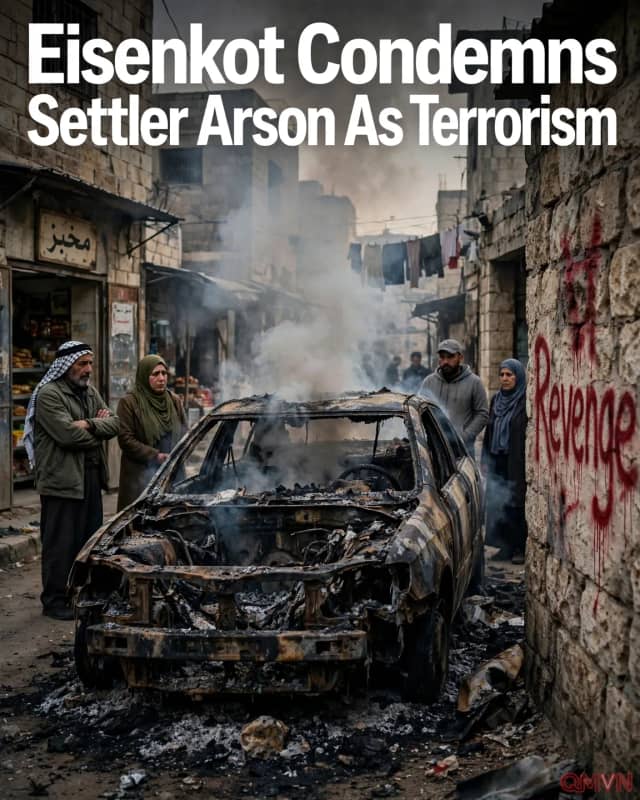
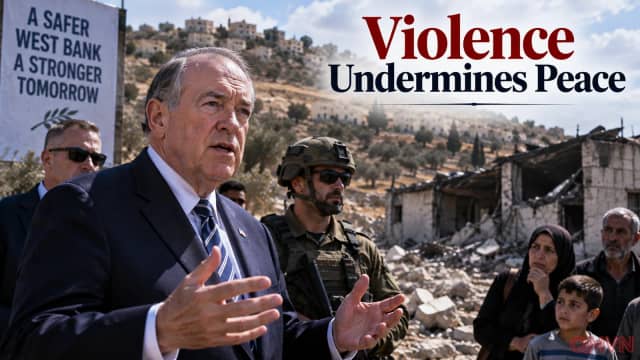
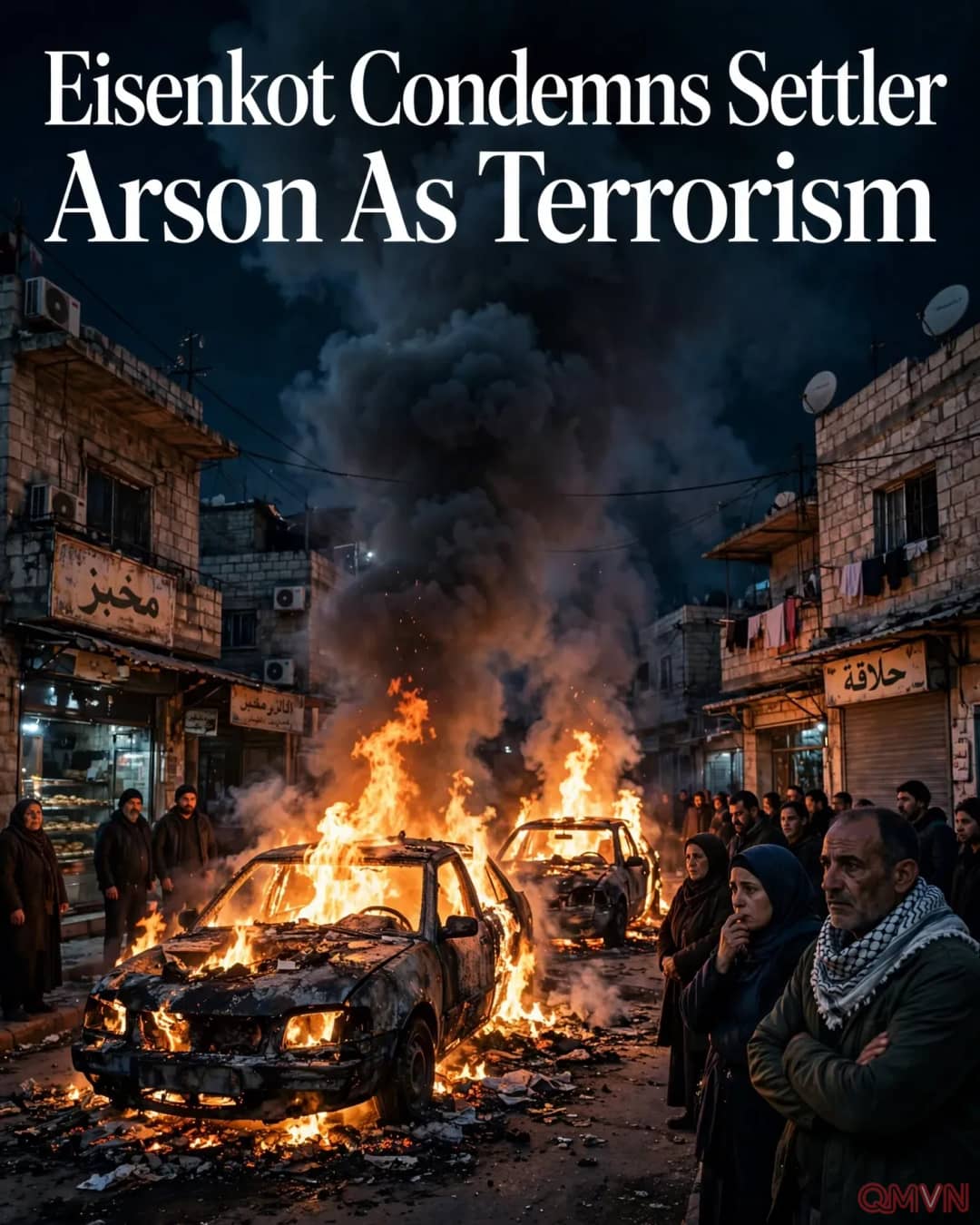
Residents of Kafr Malik and other West Bank communities described a frightening night of fires and damaged property. Muntasir Al-Malik said residents awoke around 2:30 a.m. to explosions as cars burned nearby. Ahmad Ghneimat said encounters with settlers had intensified after new outposts appeared in the area; he described harassment of olive harvesters and theft of sheep. These accounts portray harm that goes beyond damaged vehicles: ordinary travel, agriculture and a sense of safety become precarious when intimidation is repeated.
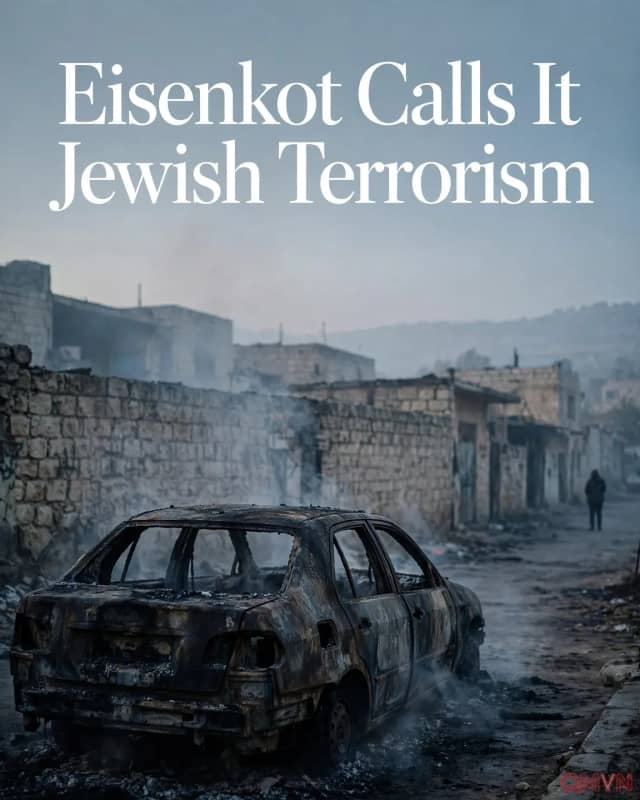
Israeli police said they were investigating who started the fires and painted graffiti. The military separately said forces had responded to reports around Deir as-Sudan, Deir Abu Masha'al, Kafr Malik and At-Tuwani. Reuters reported observing burned vehicles and slogans, including “Revenge,” near Ramallah. These observations establish damage, not the identity of every perpetrator. At the time of the reports, responsibility had not been formally determined and authorities had not announced arrests tied to the incidents.
A condemnation amid coalition uncertainty
Eisenkot's intervention was unusually forceful. The opposition leader said the acts constituted “Jewish terrorism” and called for those responsible to face arrest and severe sanctions. He argued that policies associated with ministers Itamar Ben-Gvir and Bezalel Smotrich had helped produce dangerous disorder.
Those judgments are his political accusations, not findings of the police investigation. They nevertheless put the treatment of Palestinians and the conduct of extremist settlers at the centre of Israel's domestic debate.
That debate is taking place during a difficult transition. An October 27 election deprived Prime Minister Benjamin Netanyahu of his parliamentary majority without providing an obvious replacement coalition. After the new parliament convened on November 10, President Isaac Herzog tasked Eisenkot with trying to form a government. Any coalition arithmetic involving Arab parties is politically contentious: Ben-Gvir accused Eisenkot of courting them, while Joint List figure Yousef Jabareen said the attacks reflected policies that tolerate violence against Palestinians. The opposing statements reveal how a security incident can quickly become a test of political legitimacy.
Yemen reports strikes on fuel infrastructure
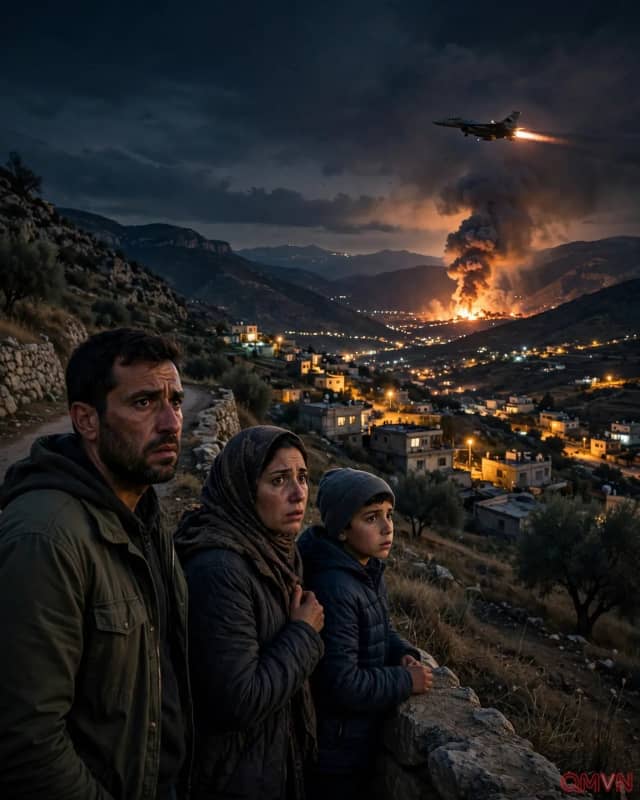
In Yemen, the Houthi-controlled Health Ministry's spokesman, Anees al-Asbahi, reported that an early Sunday strike hit a state oil company's fuel station in Sanaa, injuring six employees and damaging a company building. Houthi-linked outlets also reported attacks around the Red Sea port of Mokha and in the Haifan area of Taiza province. They attributed the strikes to Saudi Arabia. The allegations about responsibility and the precise targets had not been independently established in the initial reports, and no immediate casualties were reported for the additional locations.
The proximity of fuel infrastructure to the reported violence raises particular concern. A fuel station is both a workplace and part of the logistical system people rely on for transport and essential services. Damage can therefore ripple outward even when the initial number of wounded is relatively small. At the same time, a battlefield claim is not a complete account of an incident: an impartial assessment requires information about the weapon, intended target, location, civilian presence and the necessity and proportionality of any military action.
Two crises, one question of civilian protection
The incidents should not be mistaken for a single coordinated episode. The West Bank case concerns suspected attacks on Palestinian communities and the ability of Israeli institutions to investigate them. The Yemen reports arise from a prolonged conflict involving local factions and outside powers. Yet the stories intersect in what residents must endure: fear at night, uncertain accountability and disruption of the places that make daily life possible.
For both situations, the next verifiable steps matter more than the sharpest rhetoric. In the West Bank, investigators must identify suspects and disclose what evidence supports any charges. In Yemen, competing accounts should be tested against reliable documentation, medical information and independent reporting. Public institutions earn credibility not by promising security in the abstract, but by making their decisions transparent and protecting people regardless of identity or political allegiance.