Working in a crisis is different from an ordinary reporting day
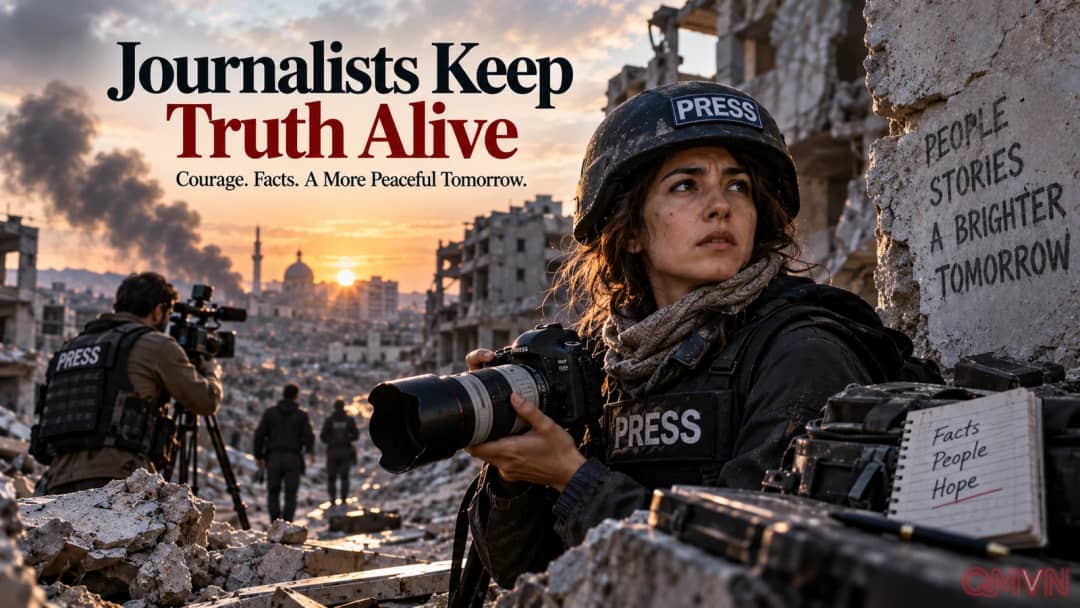
Neginipour describes crisis journalism as work carried out when normal order is disrupted by a specific event such as an explosion, natural disaster, riot or war. In those conditions, ordinary interviewing and camera skills are not enough. Reporters need to understand how people behave under fear, anger and grief, while also operating equipment and making decisions in an environment that may change within seconds.
He places particular value on combining journalistic accuracy with visual storytelling. A shot from a crisis must be more than dramatic. It should contribute meaningfully to a larger account when edited and placed in context. That requires the reporter to observe the immediate scene while thinking about chronology, background and what audiences need in order not to misunderstand an isolated image.
When the camera meets another person’s grief
One of the strongest lessons in the interview concerns the treatment of victims. Neginipour recalls situations in which people who had just lost relatives or witnessed violence reacted angrily when journalists filmed them. To someone in acute grief, a camera can feel less like documentation and more like an intrusion into a moment that is still unbearably raw. Emotional intelligence and behavioral sensitivity therefore become professional skills rather than optional courtesies.