MAIN CONTENT
A final session that could not deliver consensus
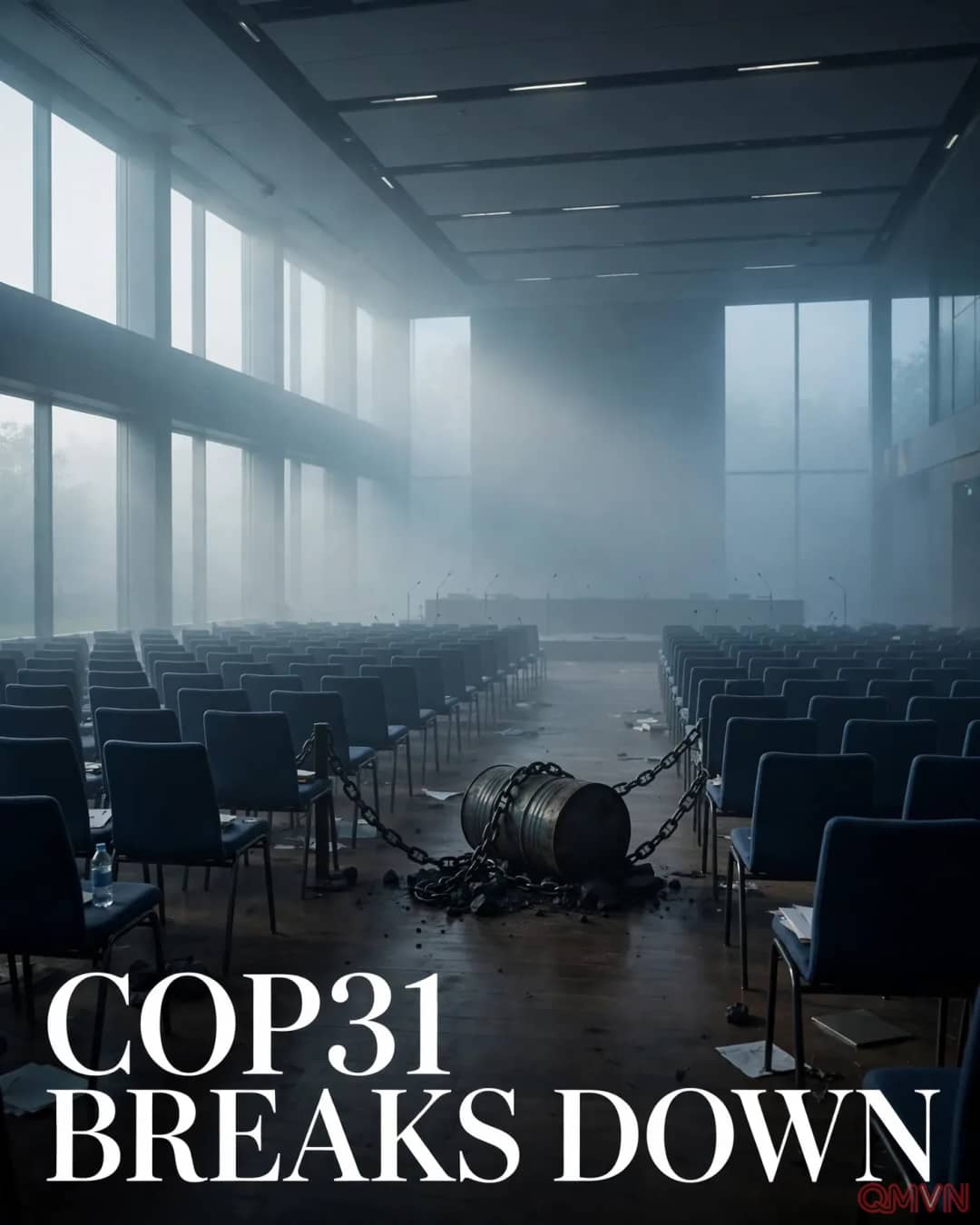
Delegations entered the closing session after successive revisions of the proposed political declaration. Its language referred back to an earlier climate agreement but omitted an explicit new reference to fossil fuels. Ireland’s climate minister Darragh O’Brien, speaking for the European Union, called that omission unacceptable. Other delegations, including climate-vulnerable nations, argued that a climate summit should not avoid naming the primary driver of its central problem.
Under the COP process, overarching agreements require an exceptionally broad consensus rather than a simple majority. A significant group of countries was willing to accept the compromise, some reluctantly, but objections prevented its adoption. COP31 president Murat Kurum was absent when the breakdown was announced at the plenary; Australian negotiations president Chris Bowen publicly expressed disappointment. The meeting nevertheless continued work on narrower issues, distinguishing the breakdown of its principal political text from the collapse of all cooperation.
Why a few words became a strategic dividing line
Fossil-fuel language is not merely symbolic. It indicates whether governments are prepared to frame a managed move away from coal, oil and gas as a common direction for investment, regulation and infrastructure.