MAIN ARTICLE
Different grievances find common ground
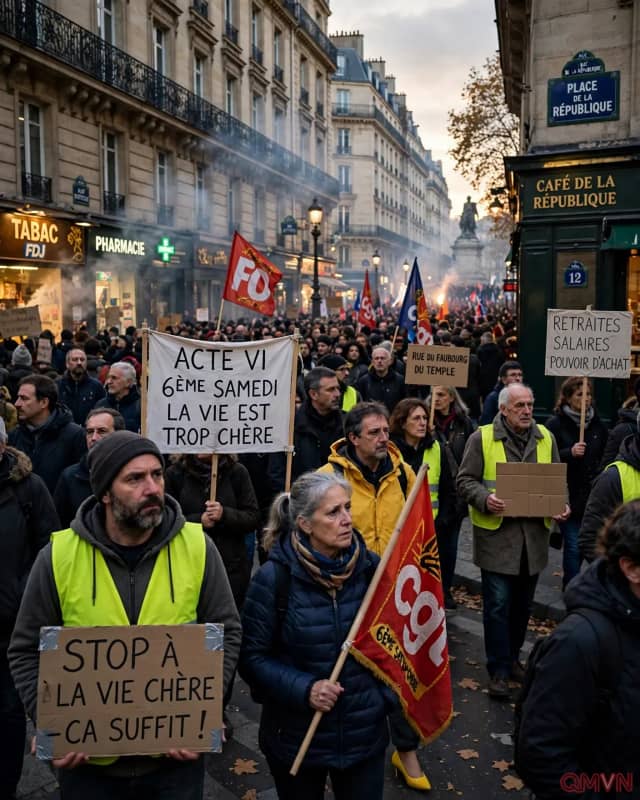
An absent teacher can mean a disrupted afternoon; repeated absences can make a family fear that a child's opportunities are narrowing. Reuters describes a movement that began with school conditions and spread into broader arguments about inequality and inadequate public investment. The expected involvement of unions and Yellow Vest activists connects those concerns with pressures experienced at work and at home. Their shared ground is the difficulty of relying on things that people regard as basic: functioning classrooms, manageable bills and public services that respond when needed.
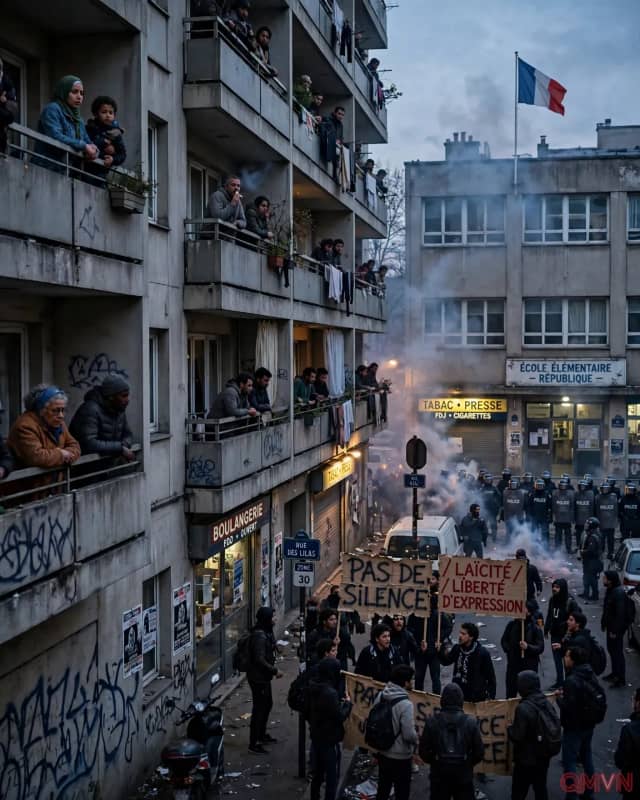
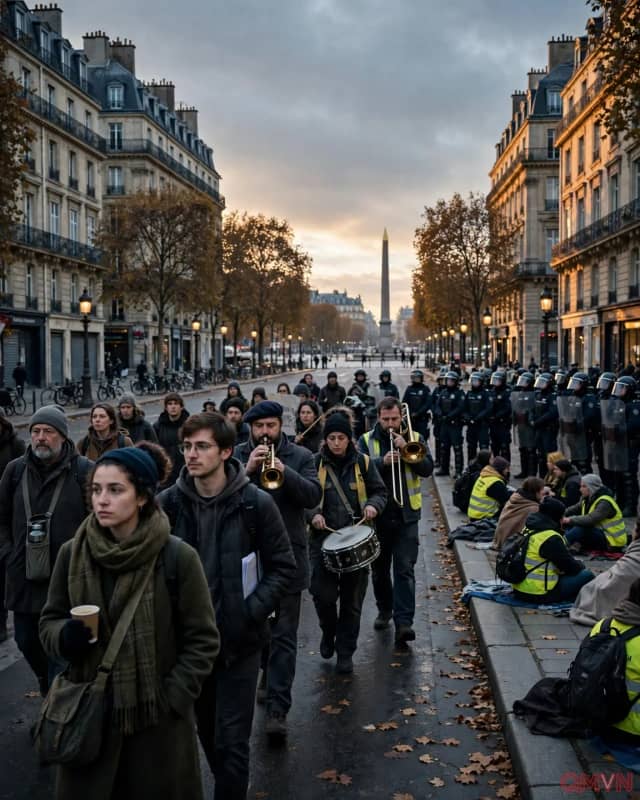
A shared demonstration does not necessarily produce a shared programme. Students may prioritise learning conditions, employees may focus on earnings, and parents may want immediate answers about the school week. Authorities need to identify those distinct requests rather than assume that one negotiation will resolve them all. Organisers face a similar task in making different needs understandable. When a movement expands, its original concerns can disappear beneath general slogans or arguments about confrontation. Keeping specific school problems visible would make it easier to judge whether any eventual response reaches the people who first raised them.