MAIN ARTICLE
The ordinary employee who became a witness
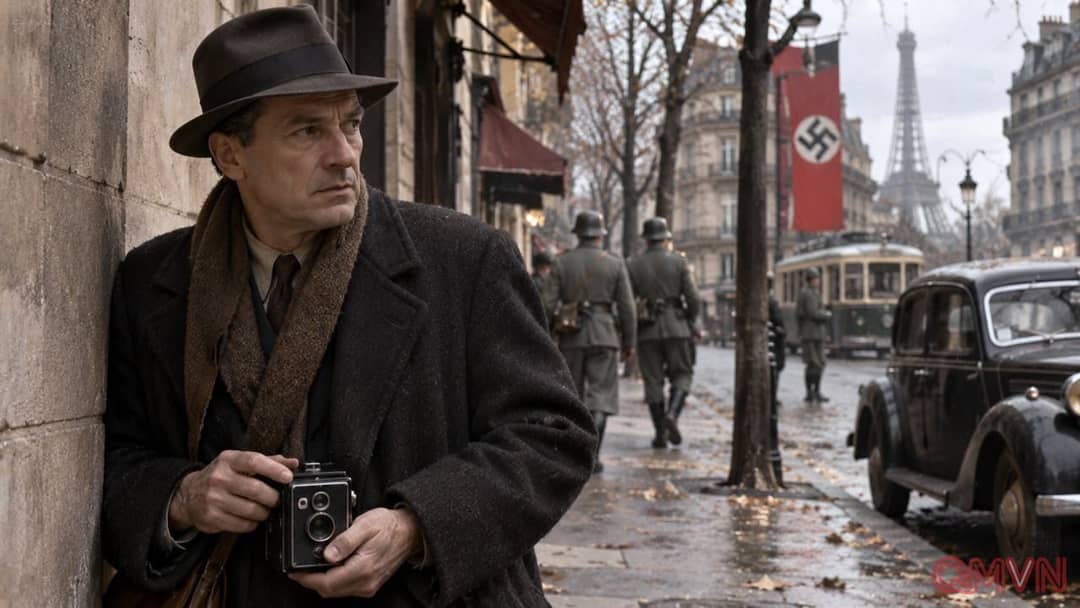
When German forces occupied Paris in June 1940, Raoul Minot was 46 and managed stockrooms at Printemps on Boulevard Haussmann. He began taking his Brownie Kodak 6/9 into the city, photographing soldiers, commandeered hotels, propaganda notices and street scenes. What might appear to be an amateur's curiosity was dangerous: unauthorized outdoor photography was restricted under the occupation, and the authorities viewed images of military activity with suspicion.
Minot carefully recorded dates, times and locations on the backs of prints, sometimes adding irreverent comments about the occupying forces. Those notes transform the pictures from anonymous street views into unusually precise historical evidence. Investigators have identified about 700 distinct photographs, although the number of physical prints was greater because some were duplicated.
The department store's photography studio made processing film possible despite wartime shortages. It also meant that some colleagues knew about Minot's work. His wife Marthe worked at Printemps as a cashier. Whether he was acting for a resistance network remains unknown: the record supports his courage as a clandestine witness, not a definitive account of his political connections.