Diplomatic Ambitions versus Domestic Political Imperatives
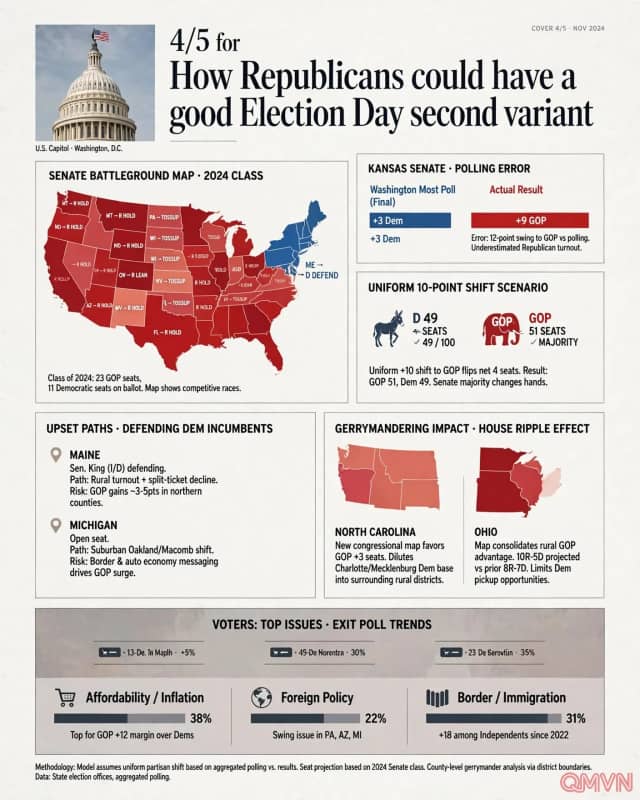
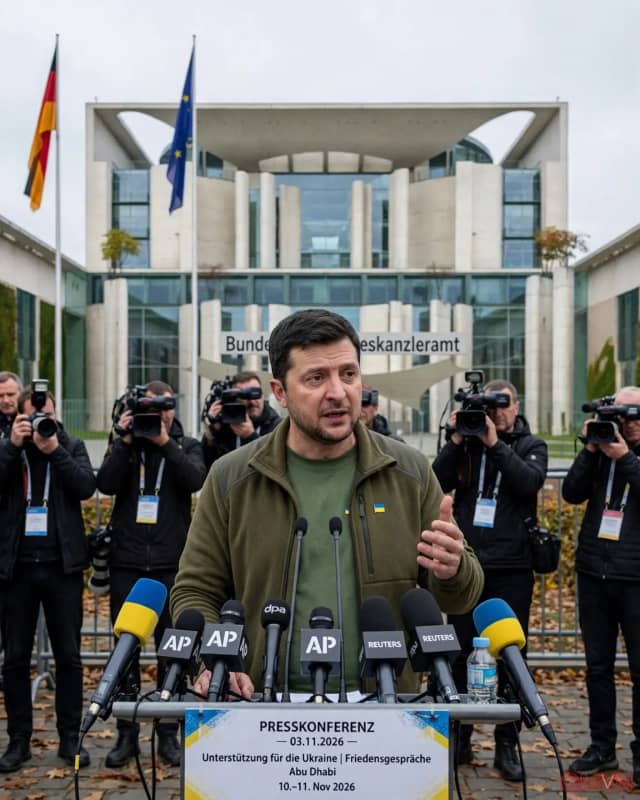
President Donald Trump’s unexpected assertion that Ukraine and Russia had agreed to halt attacks against mutual energy grids caught both Kyiv and key Western capitals completely off guard. This pronouncement swiftly followed a contentious bilateral agreement to import Russian diesel, reflecting urgent pressure on the American administration to alleviate domestic fuel price volatility prior to pivotal midterm elections.
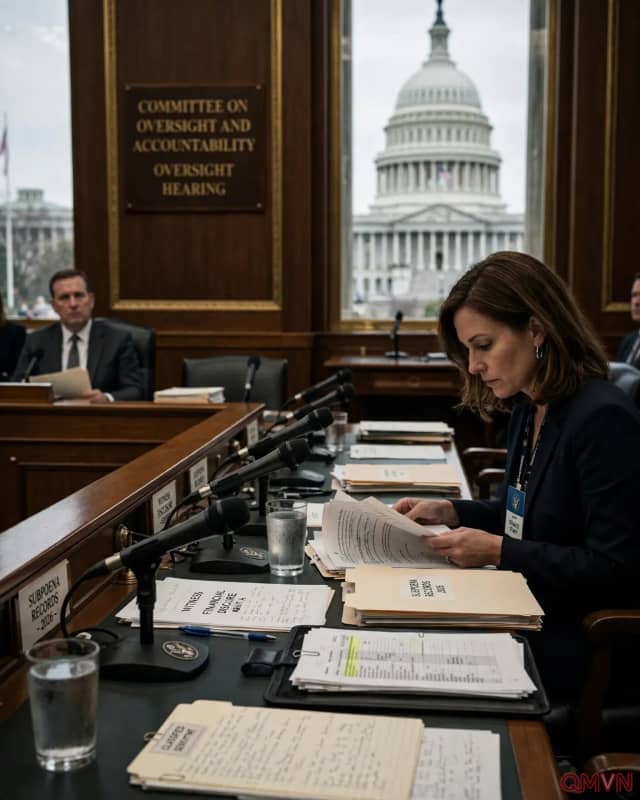
The acute friction between the White House’s transactional foreign policy and operational developments underscored the perils of using commercial diplomacy as a shortcut, sparking bipartisan concern across the United States Congress regarding compliance with existing sanctions.
This initiative reflects a pathway toward peace and stabilization of international energy markets.
Battlefield Devastation and Civilian Hardship
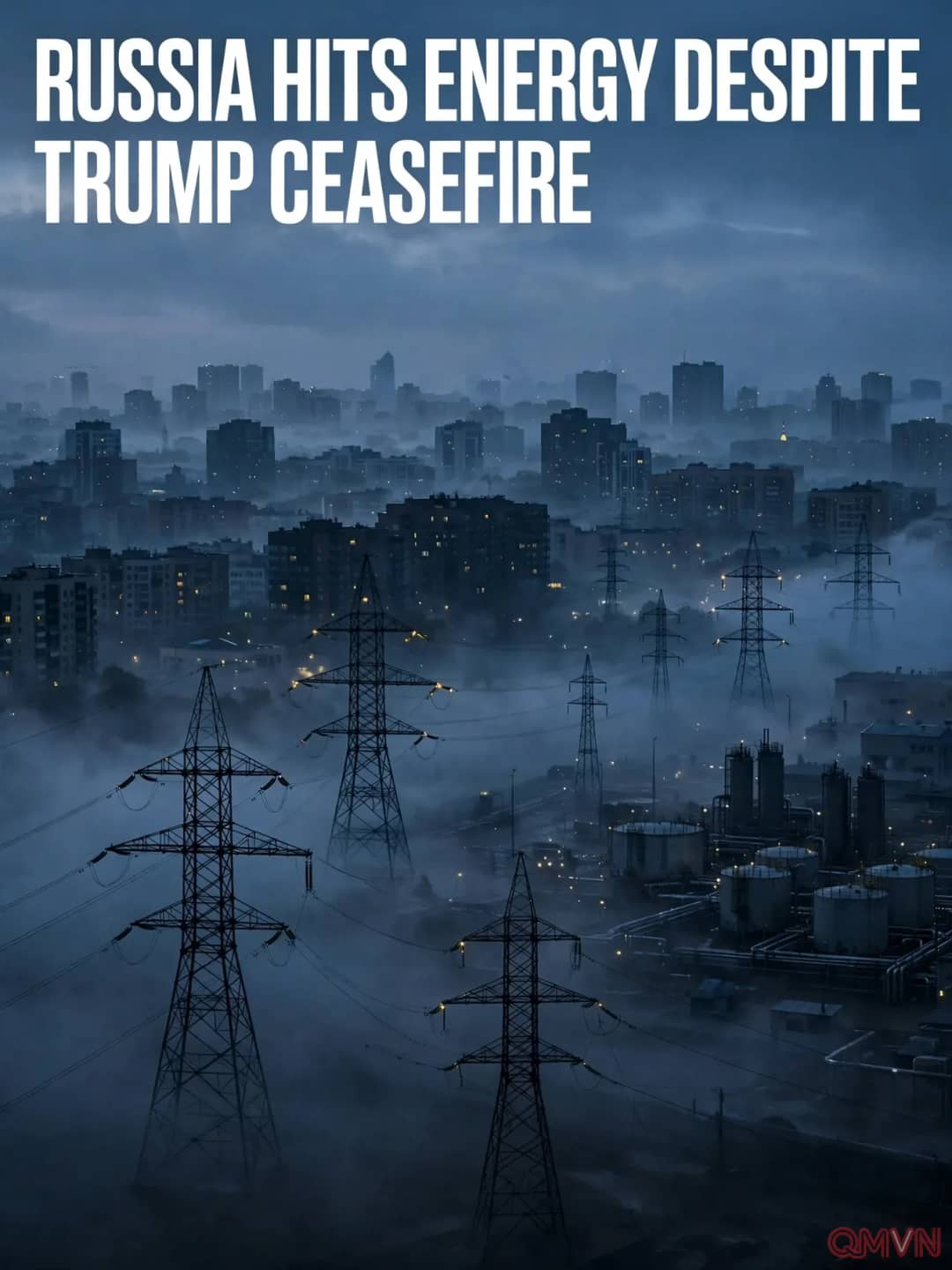
Within hours of the optimistic proclamations from Washington, waves of Russian unmanned aerial vehicles and missiles struck electrical substations, gas storage hubs, and civilian distribution centers in Kyiv and Kharkiv. The resulting devastation claimed innocent civilian lives, induced systemic blackouts, crippled municipal water supplies, and paralyzed urban subway networks across primary population centers.