MAIN ARTICLE
Doubts over the foundations of a deal
Kallas’s assessment was deliberately cautious. She did not say a negotiated end to the war was undesirable; she questioned whether Russian conduct supplied a credible basis for one. That distinction matters. A peace process can begin with conversations, but lasting peace depends on terms that the parties accept and on credible means of monitoring compliance.
In the Reuters interview, Kallas pointed to Moscow’s record under past European security agreements. Her criticism reflected the EU view that written undertakings offer limited reassurance when subsequent actions contradict them. It was an assessment by a senior European official, not an independent determination of Russia’s present negotiating intentions.
For Ukraine, the practical issue extends beyond the timing of a ceasefire. Territorial security, the prevention of renewed attacks and guarantees that can be implemented are all likely to shape whether any settlement is durable. Russia’s positions and the ultimate terms of a possible deal remain disputed.
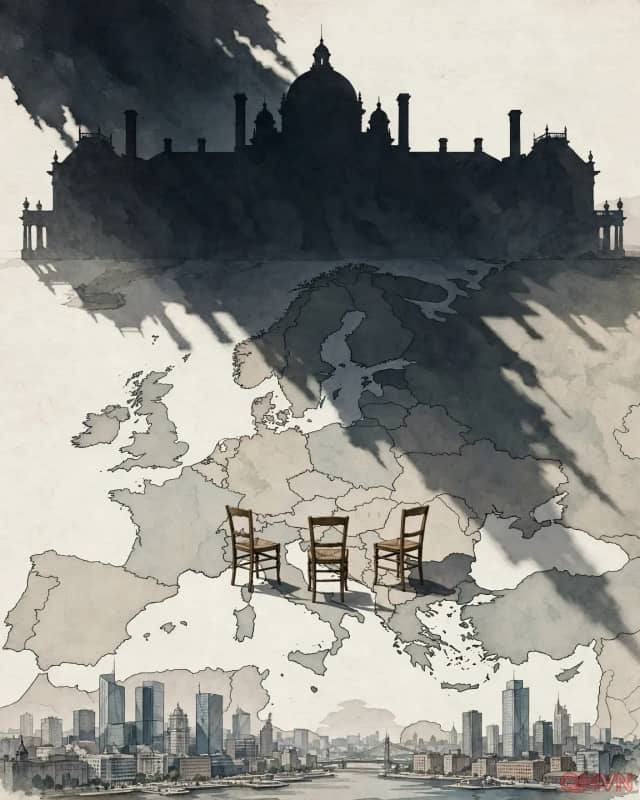
Who speaks for European security?
A second strand of Kallas’s remarks concerned political representation. She acknowledged that large countries often prefer to speak with other large countries, but argued that the EU already possesses treaties and institutional procedures for decisions affecting the continent.