MAIN STORY
Fuel diplomacy with broader consequences
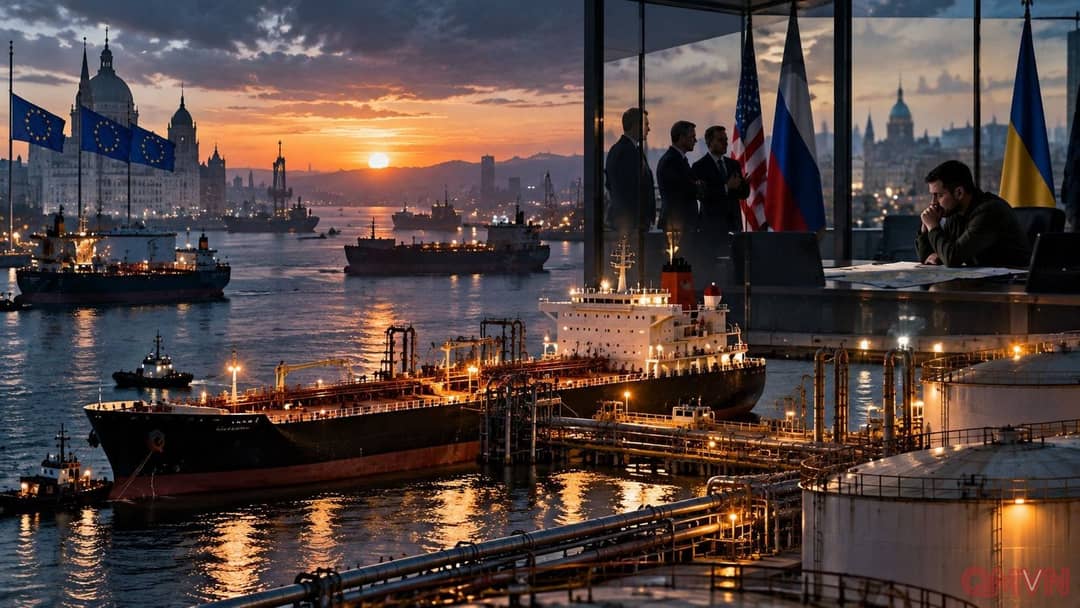
On October 9, President Donald Trump announced after discussions with President Vladimir Putin that Russia would supply more than 300,000 metric tons of diesel to American and global markets, with additional volumes expected in subsequent months. Washington also relaxed some restrictions governing Russian diesel. The move came as fighting in Ukraine continued and conflict in the Middle East strained energy supplies.
The White House emphasized lower transport and consumer costs. Yet any exception for Russian energy also invites scrutiny of sanctions consistency, allied coordination and the economic leverage governments hope to retain in efforts to end the war.
The three effects claimed by Henningsen
In remarks cited by a Russian newspaper, commentator Patrick Henningsen identified three possible effects: weakened isolation of Moscow, stronger pressure on Kyiv and fresh political difficulties for European leaders. His argument is that Russia could acquire greater diplomatic leverage when consuming countries need additional fuel.