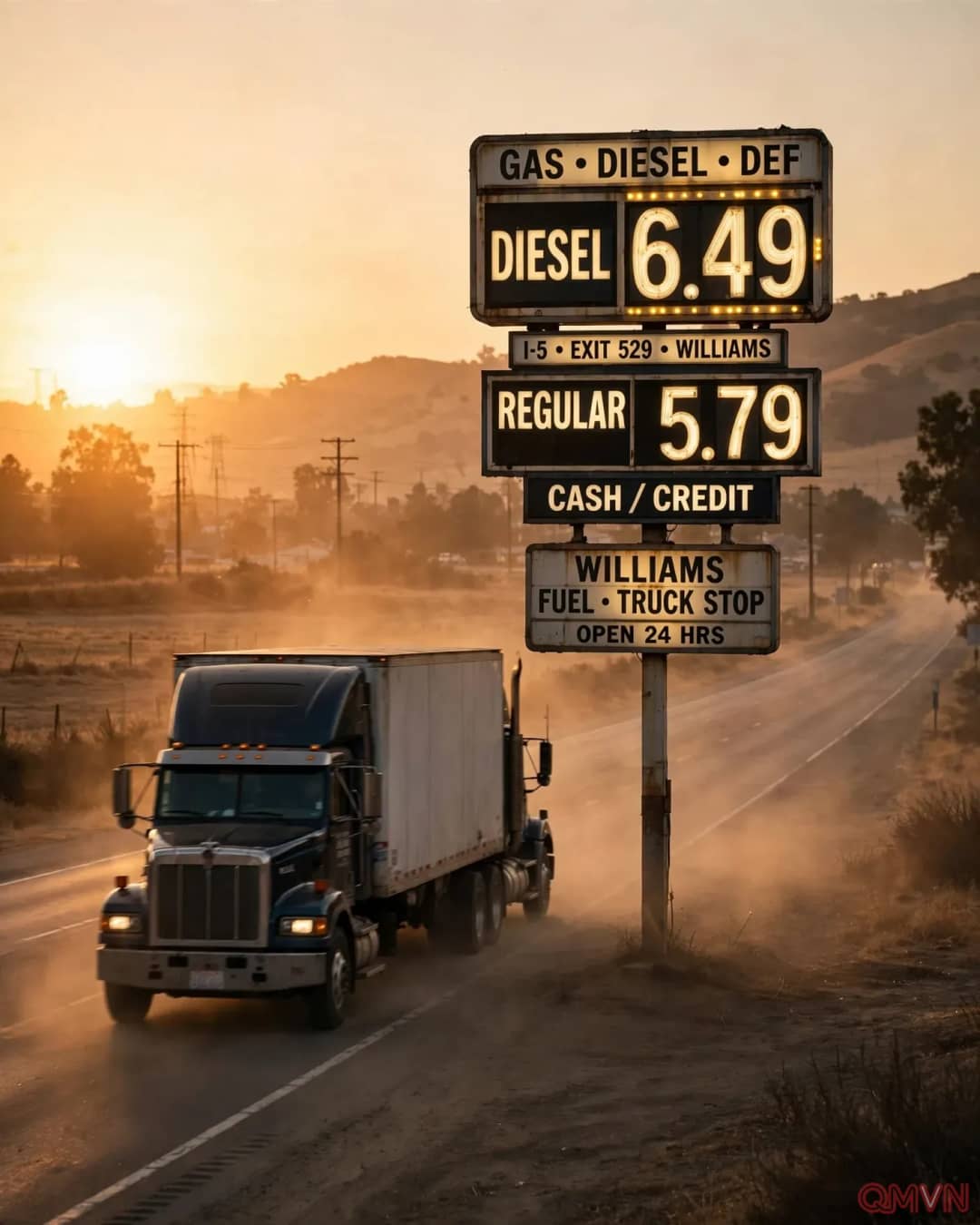
Diesel: the number one culprit
Businesses across much of the country still hold a positive outlook, but according to the Fed, expectations are mostly for slight growth, weighted toward manufacturing and burdened by persistent uncertainties. Three Fed districts described price growth as robust and eight as moderate, with three of those eight saying it was intensifying. Key points include:
- Diesel fuel costs were mentioned 21 times, versus twice in the prior report and none before the war.
- Several districts reported price pressure from other commodities, tariffs and insurance.
- The Dallas Fed said diesel was the most commonly cited cost driver, affecting freight, agriculture and airfares and squeezing margins across many industries.
Data released the same day showed consumer prices rose 3.7% in the 12 months through September, far above the Fed's 2% target and higher than forecast. War-driven gasoline costs were the main cause, while fast-rising software and toy prices reflected AI-driven demand and higher tariffs.
A "low-hire, low-fire" labour market
Several regional Fed banks noted the absence of mass layoffs, but five said firms had cut staff by not replacing departing workers or delaying hiring. Inflation is also creating extra wage pressure, as workers seek compensation for the cost of living and benefit costs rise.