MAIN ARTICLE
How a digital banking success became a national shock
Ueno emerged from Paraguay’s expanding financial-technology sector and grew into a mid-sized bank with roughly three million users in a country of about 6.5 million. Its reach made everyday payments more convenient for households previously underserved by traditional banking. That same reach made the institution systemically important to people’s daily lives even if regulators described its problems as specific to one lender.
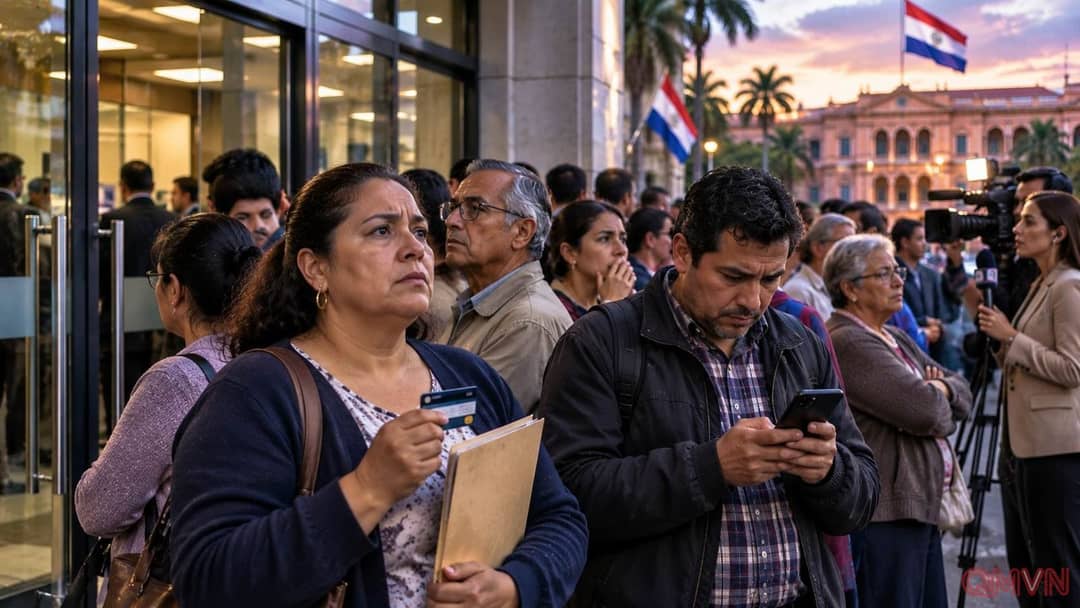
In early November, the central bank intervened after identifying failures to meet minimum solvency requirements. Customers then found that banking functions and access to funds had been interrupted. A technical supervisory decision became an intensely personal event: workers worried about wages, families about groceries, and pension recipients about money they relied upon. The shock spread more rapidly because online balances had come to represent ordinary people’s financial security.
Reuters reported that the lender administered about $850 million in public-related funds. The figure broadened the stakes beyond retail deposits, raising questions about where public money was placed and how its exposure was monitored. Rapid adoption, the episode suggests, must be matched by capital strength, internal controls and a credible system for protecting customers when an institution fails.