MAIN ARTICLE
Congress becomes a stronger institutional guardrail
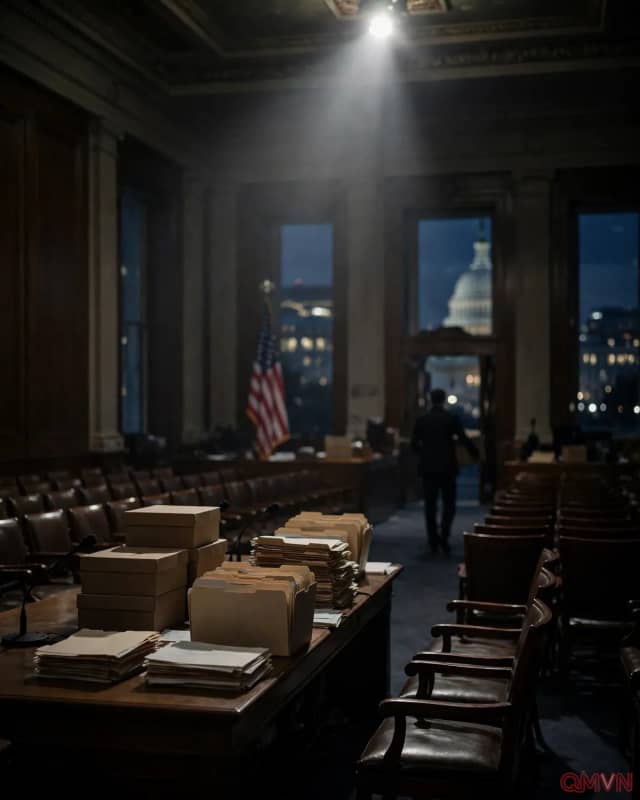
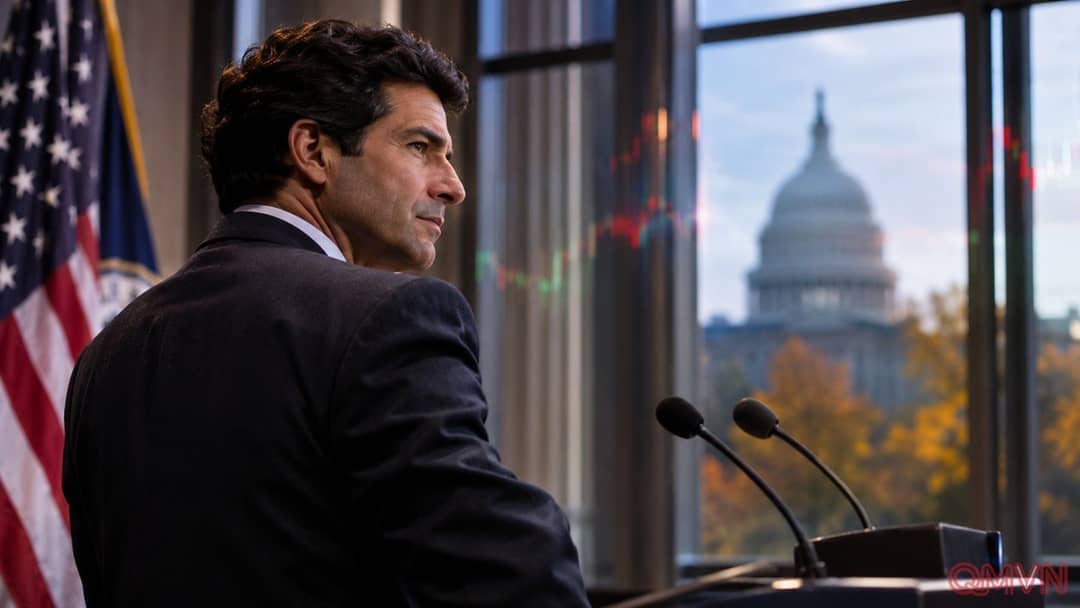
Democrats’ victory in both chambers ends unified Republican control of the federal government. For the Fed, the consequential change is in the Senate, which must confirm presidential appointments to the central bank. A different majority can demand extensive answers from nominees and make it more difficult for President Donald Trump to install additional allies who might share his preferred approach to interest rates.
That safeguard does not remove political pressure. A president still commands attention, shapes economic priorities and can criticize monetary decisions. Yet a Senate prepared to challenge interference raises the political cost of trying to redirect a central bank by personnel changes alone. The protection comes not from affection for Warsh, but from the separation of powers that gives different branches competing responsibilities.
A short-term reprieve, a longer-term reckoning
The irony is that Democratic lawmakers skeptical of Warsh may now serve as defenders of the institution he leads. Reuters reported that Senator Elizabeth Warren, a prominent critic, is likely to lead the Senate Banking Committee in place of Tim Scott.