New Delhi draws a line
Speaking in New Delhi, India's Ministry of External Affairs said Hasina's stated intention to go home of her own accord should be viewed separately from the extradition request Bangladesh has lodged with India. The distinction is subtle but significant: it suggests New Delhi does not see itself as the gatekeeper of a voluntary journey, even as it continues to weigh Dhaka's formal demand.
India has been cautious on the case for months. Earlier in November, ministry spokesperson Randhir Jaiswal said the question of Hasina's extradition was a matter for the law and the judicial process, and that any further step would follow the law. New Delhi has not said publicly whether it will grant or reject Dhaka's request.
A homecoming set for Victory Day
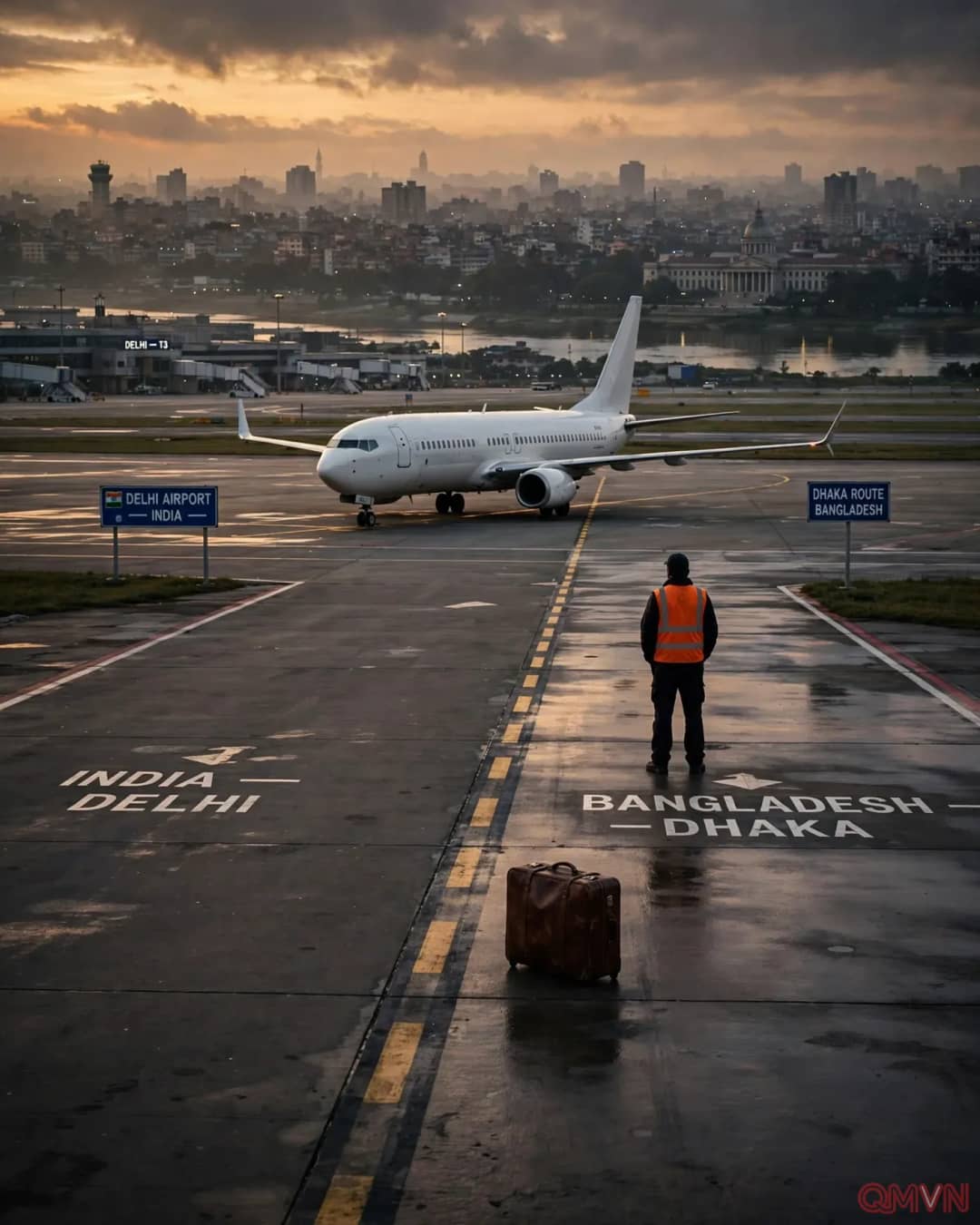
Reuters reported this week that Hasina plans to return on December 16 aboard Bangladesh's state carrier. The date is heavy with symbolism: it marks the end of the 1971 war that gave birth to Bangladesh, a struggle led by her father, independence leader Sheikh Mujibur Rahman. Hasina has said she chose December because it is the nation's "victory month".
Hasina has said repeatedly that she understands the risks. Speaking in October, she said she would return despite the danger of arrest or worse, calling it her responsibility to go. She has also said she intends to surrender to the courts, and that senior leaders of her banned Awami League would return with her.