MAIN CONTENT
A dispute over who sets the rules
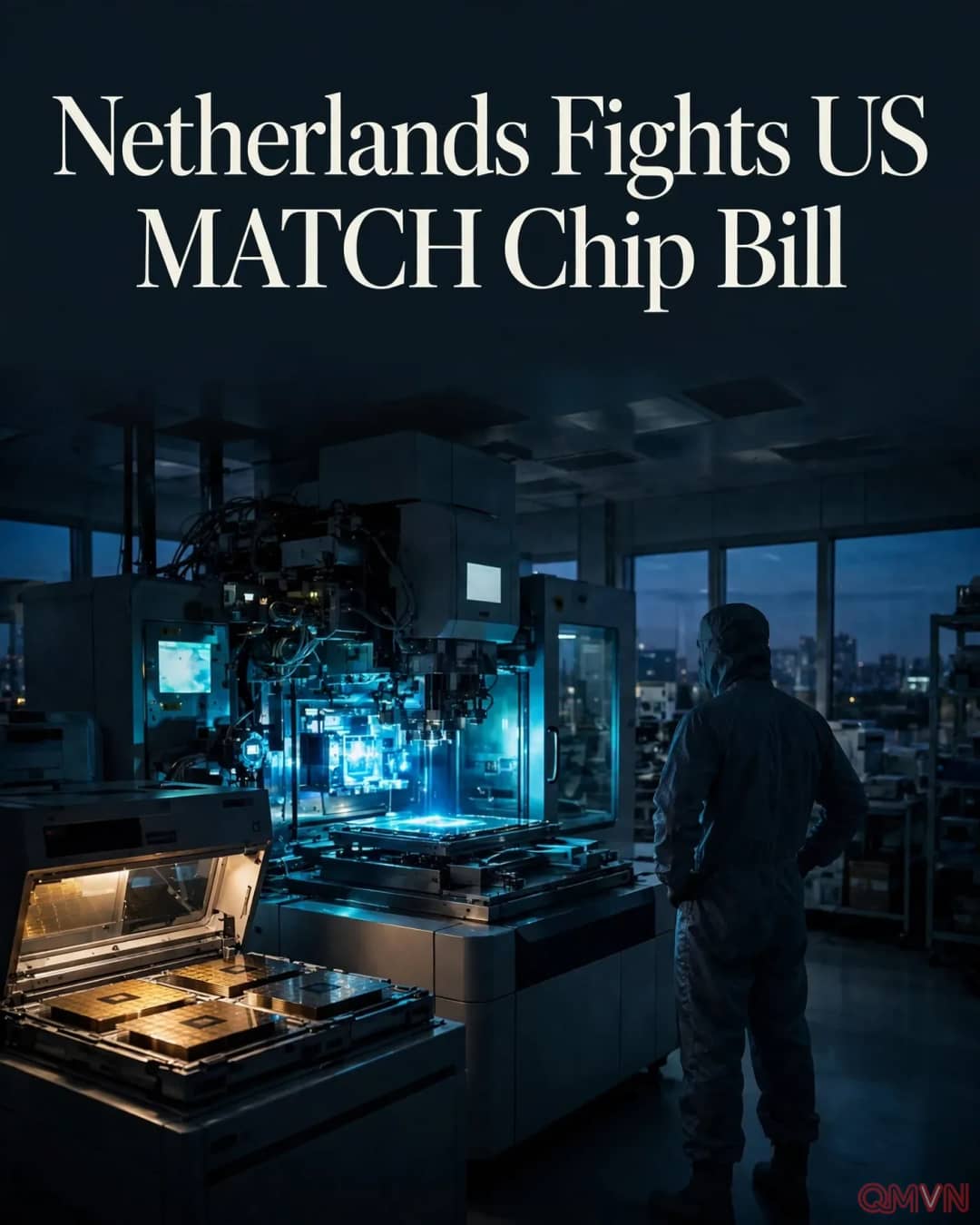
The Dutch position is not a rejection of every form of technology control. The government has already cooperated with Washington on restrictions involving advanced semiconductor manufacturing equipment. Its objection concerns the prospect of American legislation determining how allied countries regulate their own exports. Berendsen's remarks in Beijing emphasized national decision-making rather than offering a forecast of ASML's losses. Reuters also reported parliamentary opposition in the Netherlands on November 24. The diplomatic challenge is to maintain cooperation with the United States while preserving the credibility of Dutch licensing decisions. If common security objectives are pursued through different legal systems, consultation becomes particularly important. An agreed rule can offer a predictable basis for corporate planning, whereas competing demands can leave manufacturers uncertain about which obligations will ultimately apply.
ASML and the commercial consequences
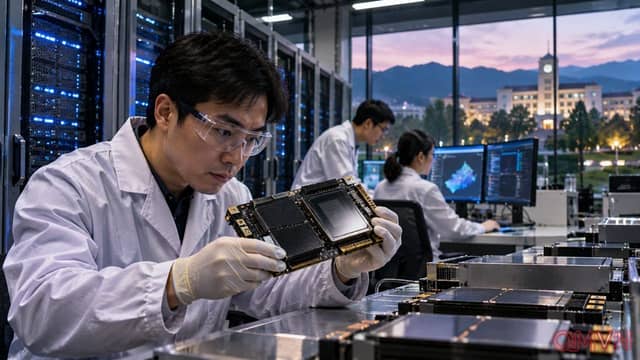
Lithography machines are essential to semiconductor production because they transfer intricate patterns onto silicon wafers. ASML supplies equipment across several generations of this technology. The dispute concerns immersion deep ultraviolet lithography, or DUV, in addition to restrictions already affecting the most advanced equipment. The company's projected Chinese sales share of about 20 percent for 2026 illustrates the commercial importance of the market, but it is not a forecast of revenue that would necessarily disappear.