MAIN CONTENT
A market rally with a deeper message
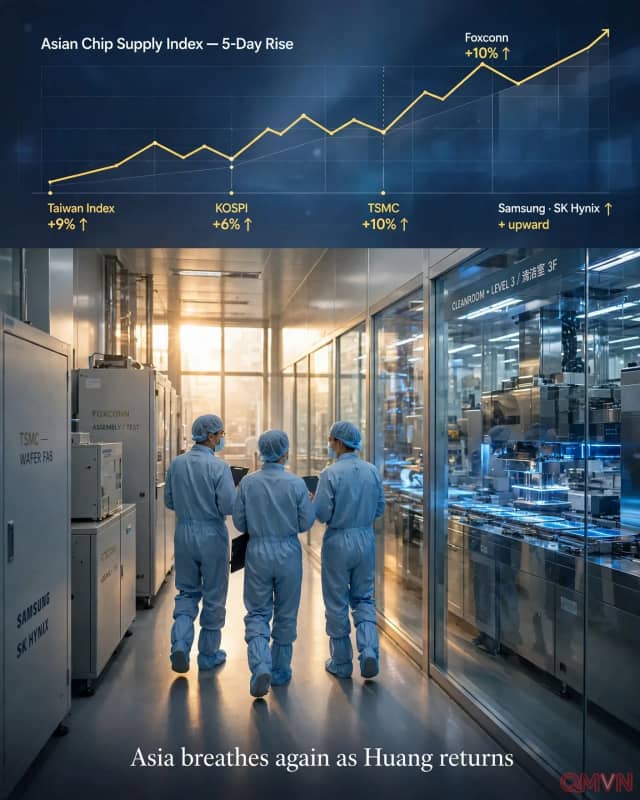
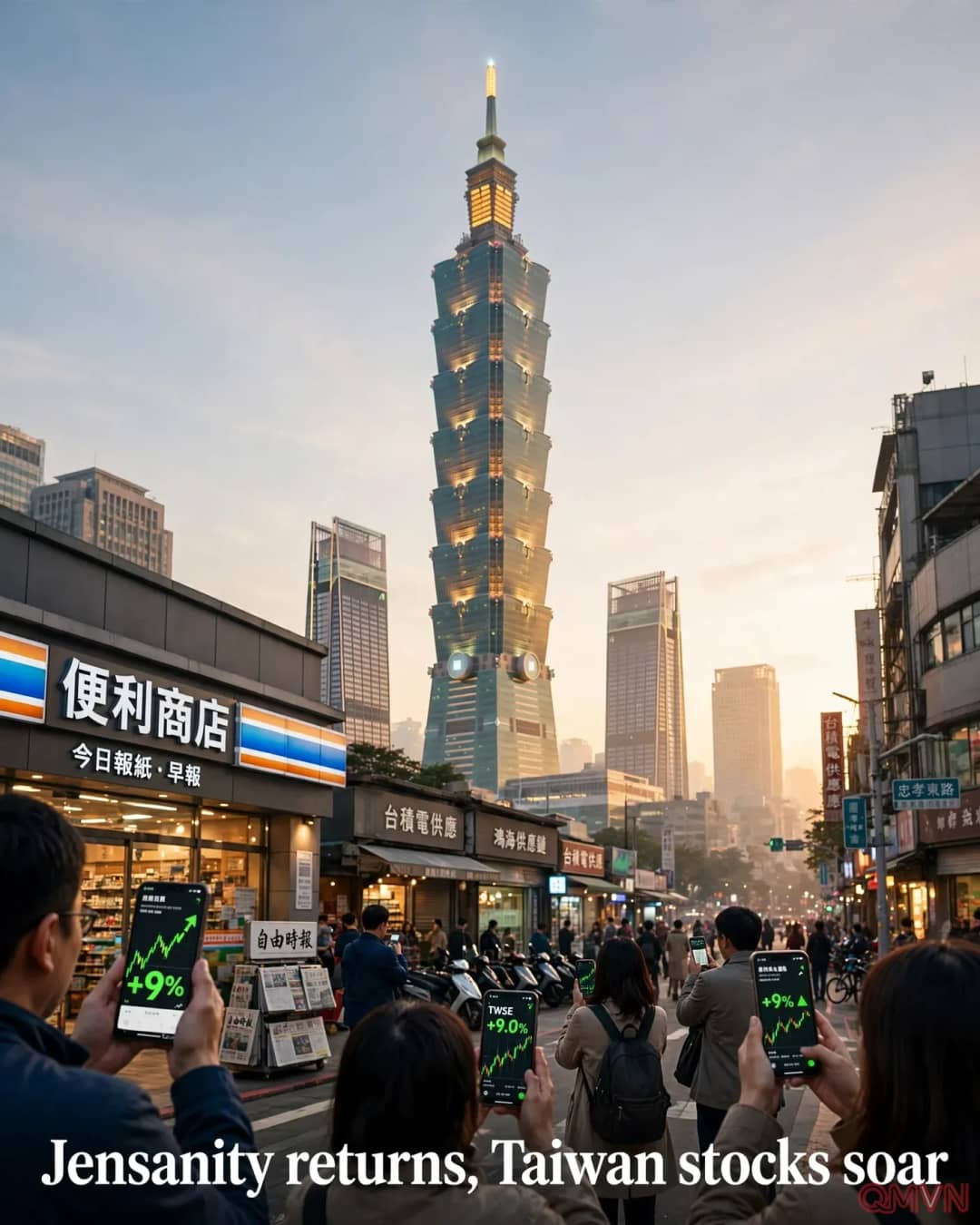
The response in Taipei was unusually dramatic. Taiwan’s benchmark index rebounded by 9% on Tuesday, while South Korea’s KOSPI gained 6%, Reuters reported in separate coverage of Asian suppliers. The movement suggested that investors were reassessing the risks of disruption to the AI industry's investment cycle rather than simply celebrating a familiar personality. A leadership change at a major chip designer can affect expectations for orders, capital spending and the timing of new products, even when existing contracts remain in place.
The rebound nevertheless should not be mistaken for a guarantee of future returns. Share prices reflect expectations about profits that have yet to materialize. A more durable recovery would require evidence that customers are continuing to deploy AI systems at a pace sufficient to justify the enormous cost of computing infrastructure. Reuters’ November 24 market commentary highlighted continuing uncertainty around the economics of the AI boom. The distinction between enthusiasm and realized demand matters especially for manufacturers committing resources years in advance.
The industrial network behind the famous name
Nvidia’s success rests on a division of labor that extends across national borders. Its computing platforms depend on chip fabrication, packaging, memory, circuit boards, cooling and system assembly.