MAIN CONTENT
Scale as a competitive instrument
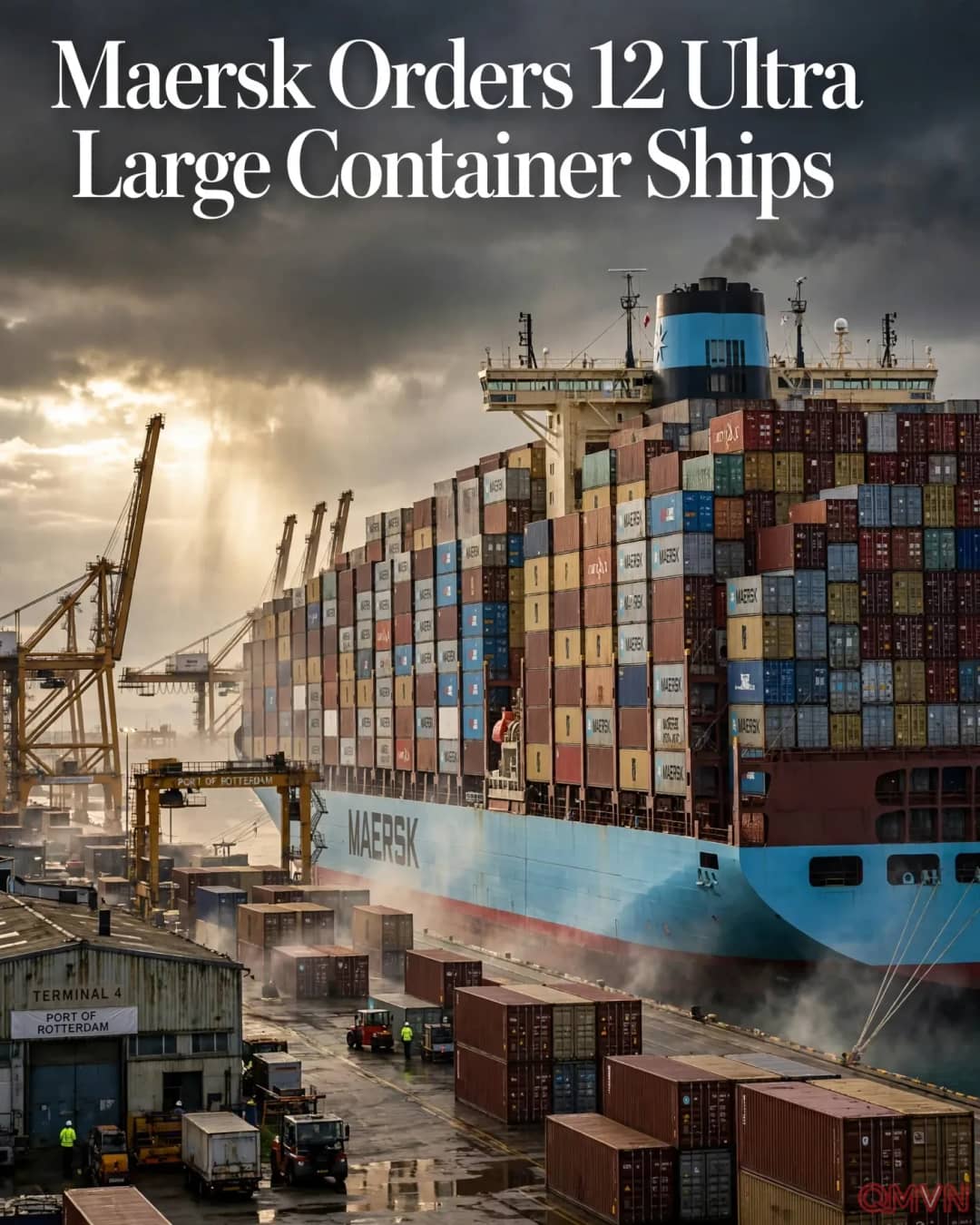
Together, the twelve ships represent nominal capacity of 288,000 twenty-foot equivalent units. This figure measures space, not annual cargo throughput or a guaranteed increase in the fleet. Some new ships may replace older tonnage, and actual loading depends on cargo weight, stowage and sailing conditions. Reuters reported that Maersk considers the vessels particularly suitable for services with concentrated cargo volumes. The economics are straightforward: a larger vessel can spread voyage costs across more containers when demand is sufficient.
Yet size creates obligations beyond the ship itself. Terminals need adequate berth depth, crane reach and space to handle large batches of cargo. Inland transport must also absorb those arrivals. A vessel that saves fuel at sea may still create costly delays if the surrounding logistics network is congested. For customers, the reliability of the whole journey matters more than the dimensions of a single ship. The advantages of scale depend on coordination between ports, carriers and inland operators.
Fuel flexibility rather than a final answer
The dual-fuel design provides options for a period in which the future price and availability of marine fuels remain uncertain. Conventional fuel preserves operational flexibility where alternative bunkering infrastructure is limited.