MAIN CONTENT
A breach that tests the limits of restraint
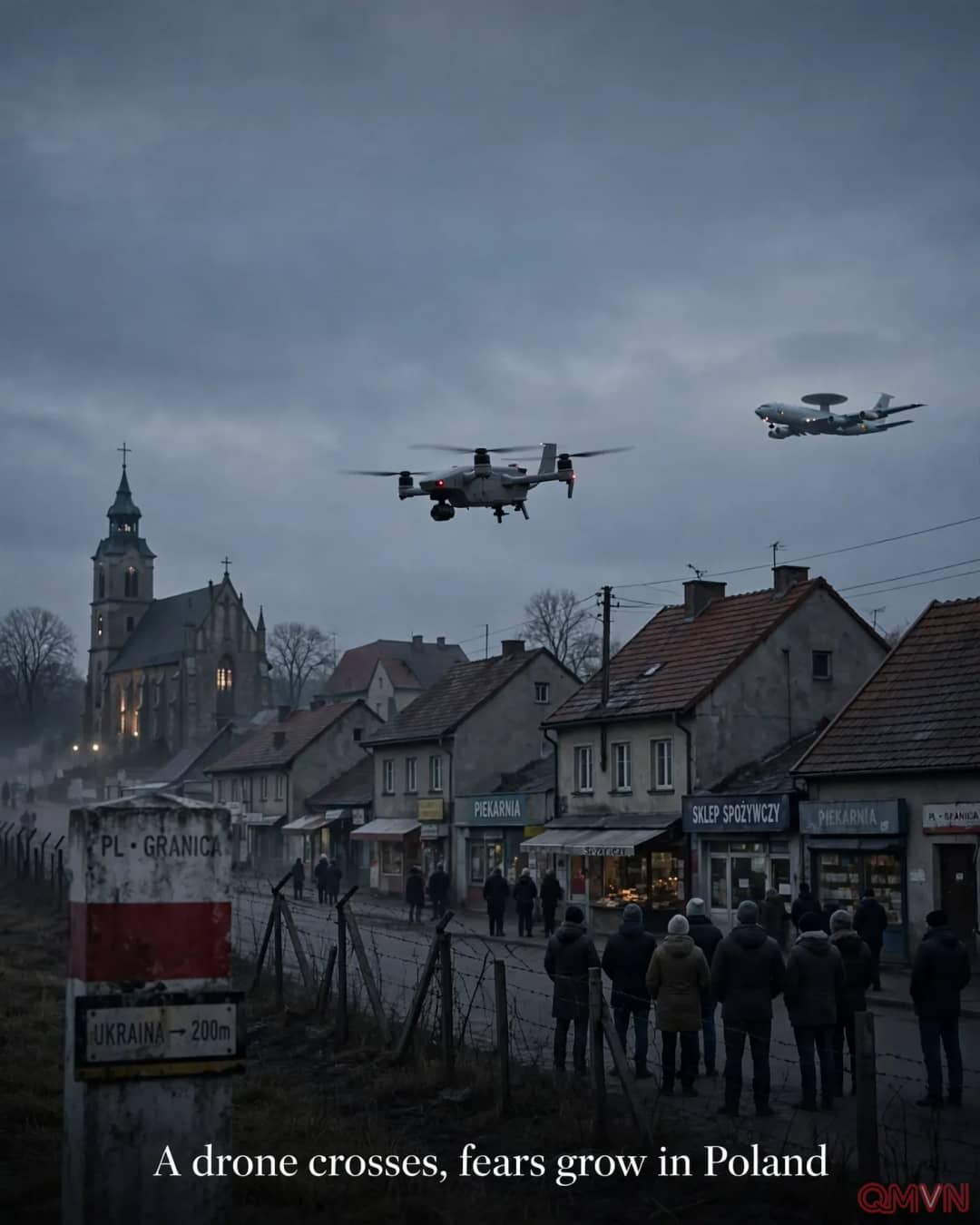
Polish Deputy Defence Minister Paweł Zalewski told RMF FM that Warsaw regarded the intrusion as unlikely to have been accidental. His colleague Stanisław Wziątek identified the aircraft as Russian and said civilian exposure was central to the decision not to destroy it. The account was reported by Reuters on November 24 and also covered by Polish Radio that morning. These statements establish the position of the Polish authorities; they do not independently establish the intentions of the Russian leadership.
The decision not to fire illustrates a difficult responsibility that receives less attention than the technical capacity to intercept an aircraft. Defending airspace includes protecting people underneath it. A successful interception can still create a dangerous situation on the ground. Officials therefore have to weigh the immediate threat against possible secondary harm. The public should not interpret restraint alone as proof of an inability to defend the country, nor assume that it will be appropriate in every future incident.
A regional pattern, not a single isolated alarm
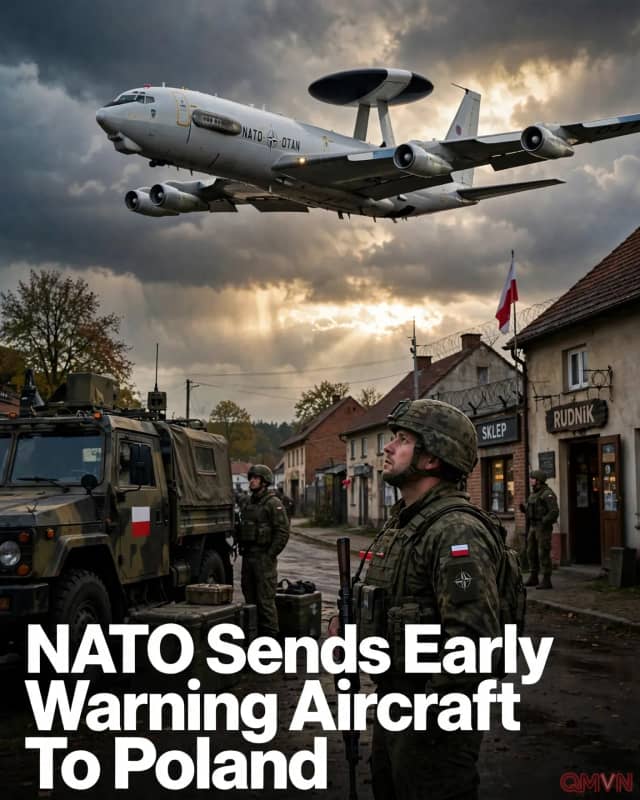
The incident followed a separate episode on November 20 in which Polish prosecutors said Russian missiles had entered the country. Reuters reported on November 23 that NATO was preparing to provide additional early-warning aircraft in response.