What lead azide is and why it must go
Lead azide is a highly sensitive compound of lead and nitrogen historically used in detonators to set off other explosives. According to the Army’s emergency application, production rose sharply during the Vietnam era, especially for gravel mines, then began declining in the early 1980s and eventually ceased. The military moved away from it because of its hazards, and officials say it is no longer needed for munitions production.
The 68 barrels were transferred to Iowa in 2009 from an Army facility in Texas, and they make up the entire US stockpile. Crystallization inside the containers raises the risk of an explosion as outside temperatures change, especially below freezing. Lead is also a neurological toxicant that can harm the brain, nervous system and other organs.
How the blast will be carried out
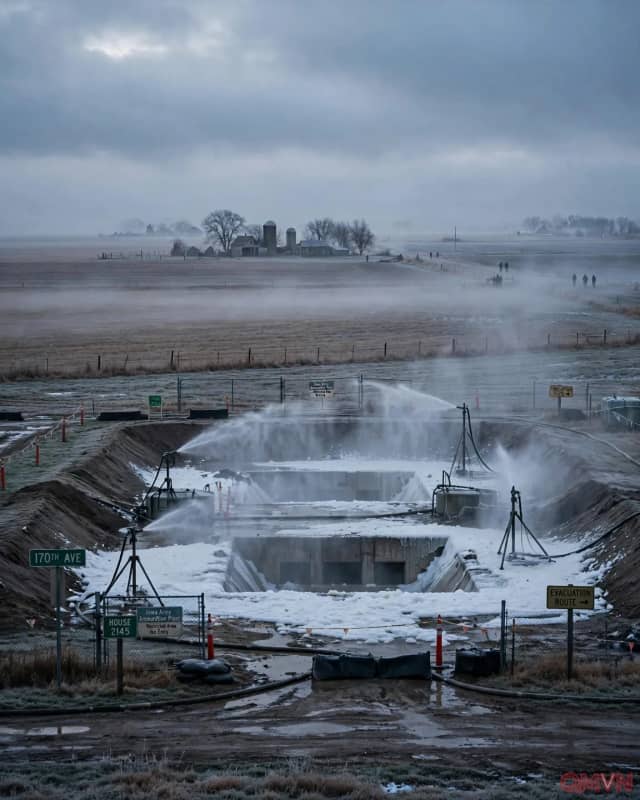
According to a court filing by Army Colonel Aaron Teller, a munitions emergency response specialist, the Army will use a combination of C-4, explosive charges and diesel fuel. The diesel will help consume the lead azide, while the charges are meant to direct the blast downward.