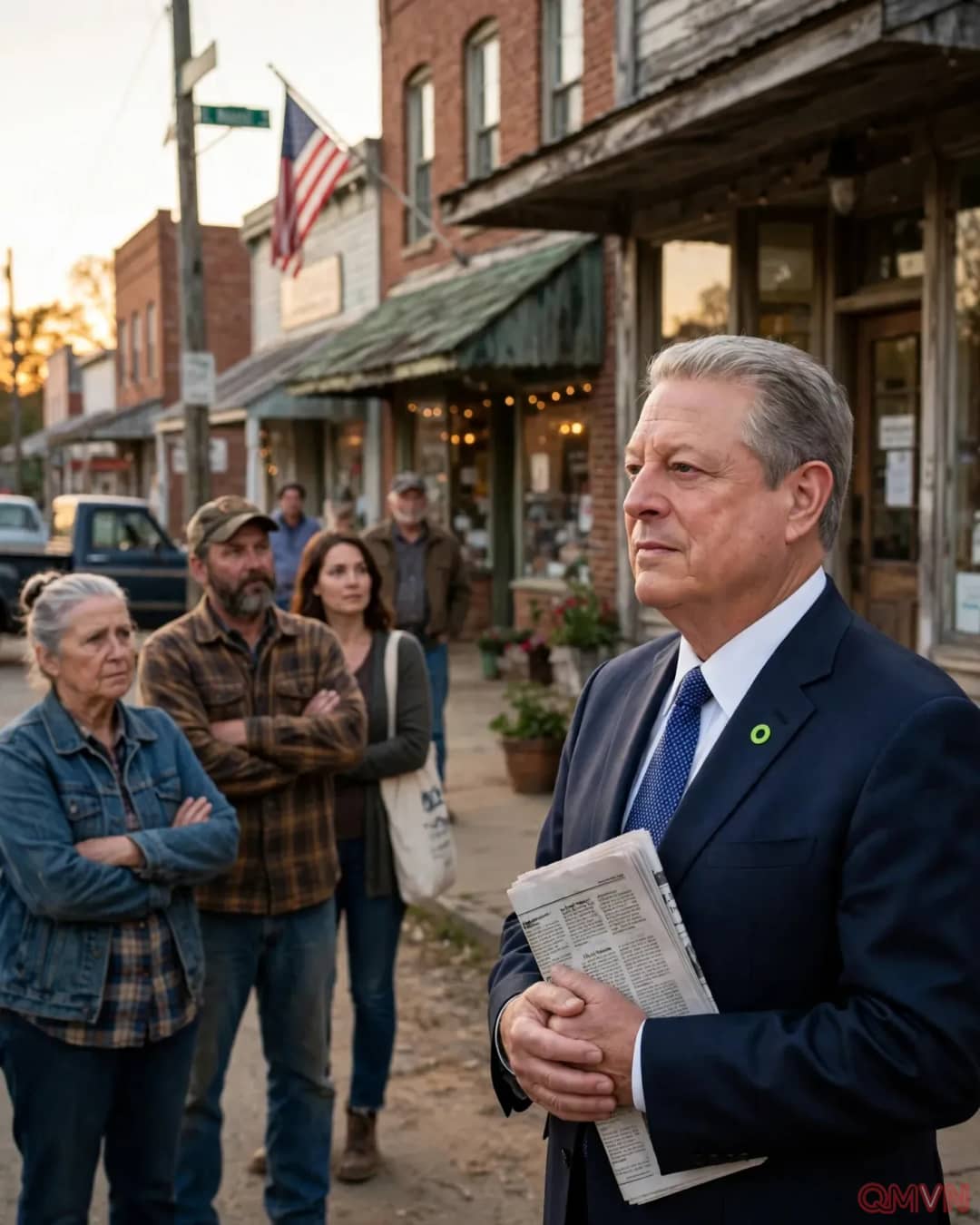
Back to an old trade
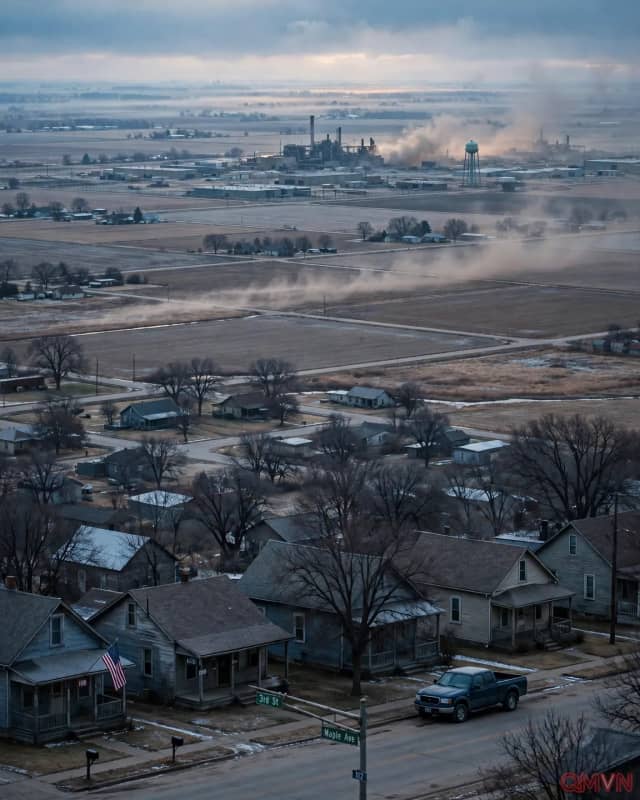
The Courier’s announcement omitted Gore’s political résumé, presenting him simply as a local man buying his town’s paper to keep it locally owned. Neither his office nor the paper would answer further questions. Gore is 78.
Before entering politics, Gore spent six months as a military reporter during the Vietnam War, then returned to Tennessee and worked for a few years as an investigative reporter at The Tennessean before running for Congress in 1976.
*“I am a firm believer that a free, independent local press is irreplaceable for the enduring health of our community.” — Al Gore*
From national politics to a small-town newsroom
A Democrat, Gore represented Tennessee in both the House and the Senate, served as vice president under President Bill Clinton from 1993 to 2001, and ran for president twice. After losing the 2000 election to George W.
Bush, he won the Nobel Peace Prize for his climate activism and an Academy Award for the documentary “An Inconvenient Truth”.
The Gore family’s ties to the Courier run deep: according to its website, the paper covered the early political pursuits of his father, Albert Gore Sr., who represented the state in both the US House and Senate.
A dose of healthy skepticism
Tim Franklin, chair of local news at Northwestern University’s Medill School of Journalism, said Carthage residents may have “some healthy skepticism” about a politician owning their paper.
*“But I would be surprised if the Carthage Courier becomes a mouthpiece for the Democratic Party.” — Tim Franklin*
Franklin wondered whether the former vice president might write a column, and whether the paper would stay narrowly focused on local news. Those answers will shape readers’ trust.
Politicians owning newspapers: nothing new
Gore is far from the first politician to own a newspaper:
- Throughout the 1900s, several senators, governors and even a US president, Warren Harding, had local papers in their business portfolios.
- In 2023, consumer advocate Ralph Nader, one of Gore’s former political rivals, helped launch a local newspaper in Winsted, Connecticut, which was bought months later by a national media company.
The difference may lie in timing: the deal comes as many small papers like the Courier struggle to find successors, and every paper saved means a community keeps its voice.