You Cannot Buy a Year of Life With a Drug
Alex Zhavoronkov, founder and co-chief executive of techbio company Insilico, is among the scientists who have devoted countless hours to studying aging. He has a reality-check for anyone who thinks that artificial intelligence means that the ability to double lifespans is tantalizingly close.
Absolute nonsense, said Zhavoronkov, whose company uses AI to discover and develop drugs. In 150 years of discovery, no drug has been clinically proven to extend life, he said in an interview. Regardless of how rich you are, you cannot buy one year of life with a drug. What could be within reach in the next decade or so, in the most optimistic scenario, is the ability to dial back a person's biological clock, said Zhavoronkov.
Rentosertib and Six Proteomic Aging Clocks
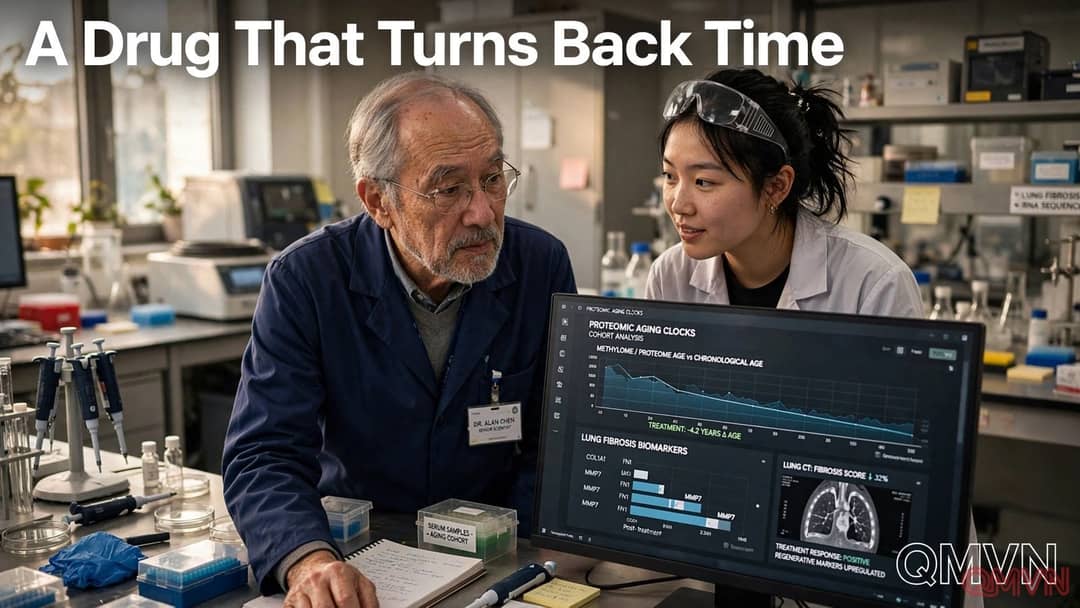
In a study published in Nature Biotechnology, researchers evaluated Insilico's investigational drug, known as rentosertib, formerly INS018_055, for idiopathic pulmonary fibrosis, an age-related lung disease. They used six independently developed proteomic aging clocks, machine-learning algorithms that analyze hundreds to thousands of proteins to establish a person's biological age. Whereas chronological age measures years, biological age assesses the health of cells and organs to predict lifespan and risk of disease.