MAIN ARTICLE
Unstable drums and an approaching cold spell
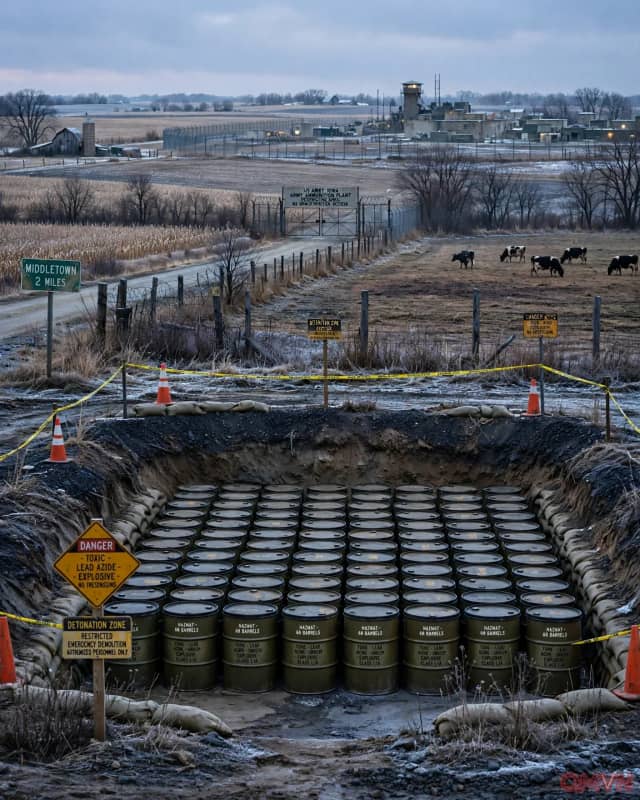
In March 2026 personnel at the Iowa Army Ammunition Plant discovered 68 drums of degraded lead azide in earth-covered storage bunkers. Lead azide is a highly sensitive explosive used to initiate detonations in munitions. Officials reported changes in its physical condition, including recrystallization, that raised fears about handling, moving or treating the aging stockpile.
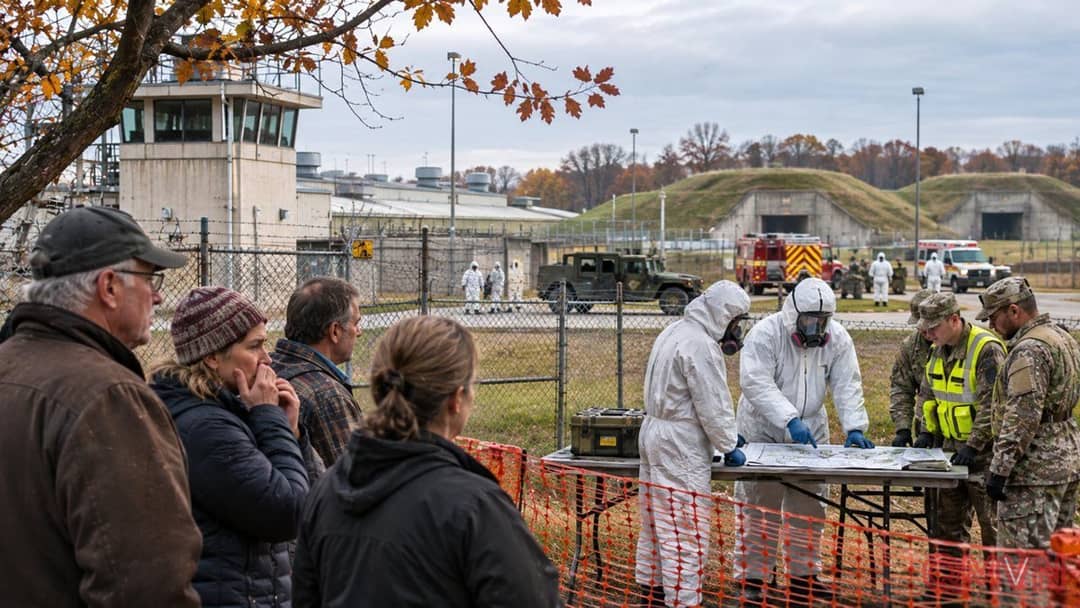
The military argues that forecast temperatures below roughly 30 degrees Fahrenheit, or minus one Celsius, add urgency. Preparations had included removing bunker doors, potentially increasing exposure to fluctuations in temperature. Army specialists say destroying the material in place under controlled conditions poses less danger than waiting for an unpredictable blast.
A suspended permit and a disputed emergency exception
The EPA issued an emergency permit effective November 13, but the Eighth US Circuit Court of Appeals stayed that authorization on November 19 as environmental groups sought review. The planned November 20 detonation was postponed, and dates shifted more than once.