MAIN ARTICLE
When a technological slogan meets the electricity bill
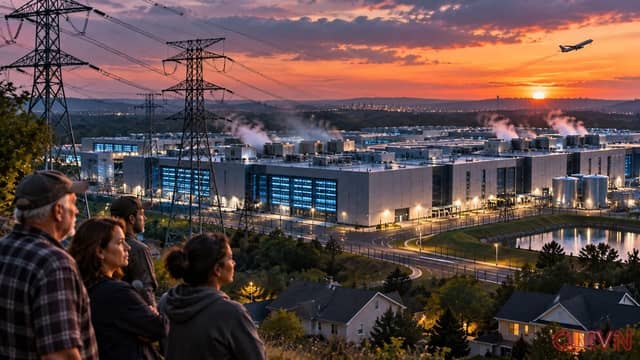
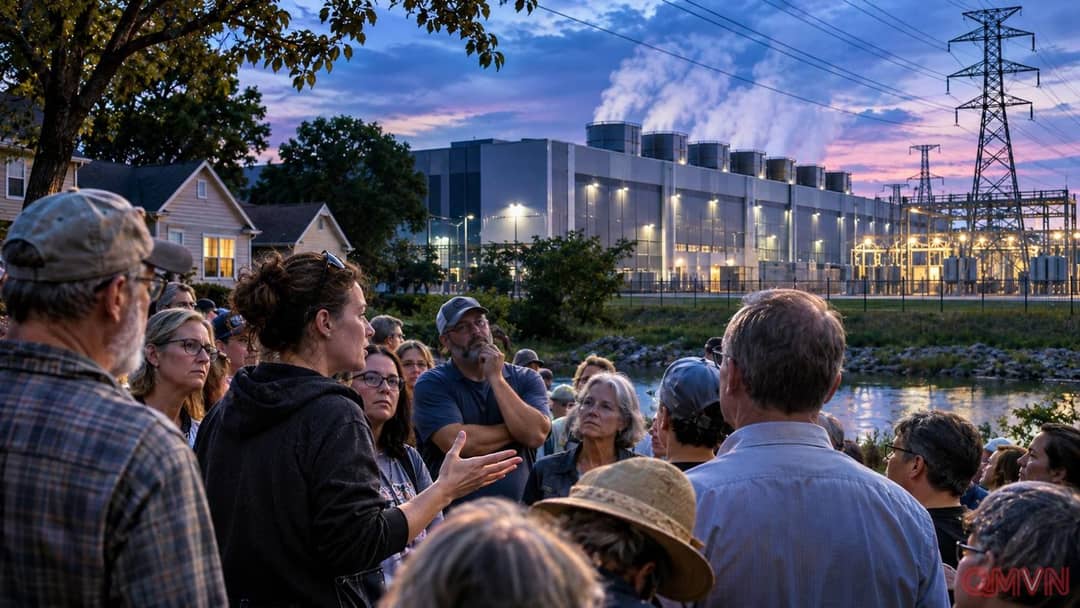
For the Trump administration, rivalry with China has provided a powerful rationale for expanding American computing capacity, transmission lines and supporting energy infrastructure. President Donald Trump has repeatedly cast AI leadership as a strategic national prize. Yet people living beside a proposed complex do not experience that strategy as a count of advanced processors. They see construction traffic, land-use decisions and the bills arriving at their homes.
Election results do not establish that Americans uniformly oppose artificial intelligence. They show a more specific concern about who authorizes industrial development and who bears its consequences. The Washington Post reported that voters in at least 29 jurisdictions adopted restrictions or bans on data centers on election day. Those were local decisions with different legal mechanisms, not one national referendum on the technology.
Democratic gubernatorial victories in Texas, Ohio and Georgia elevated data centers as a state-level political issue. According to the Associated Press, Democrats also won control of both the House and Senate. Nevertheless, the broader outcome reflected multiple grievances, including living costs and foreign policy. Attributing every vote to a single class of infrastructure would exaggerate the evidence.