MAIN ARTICLE
The fuel calculation before a boat sails
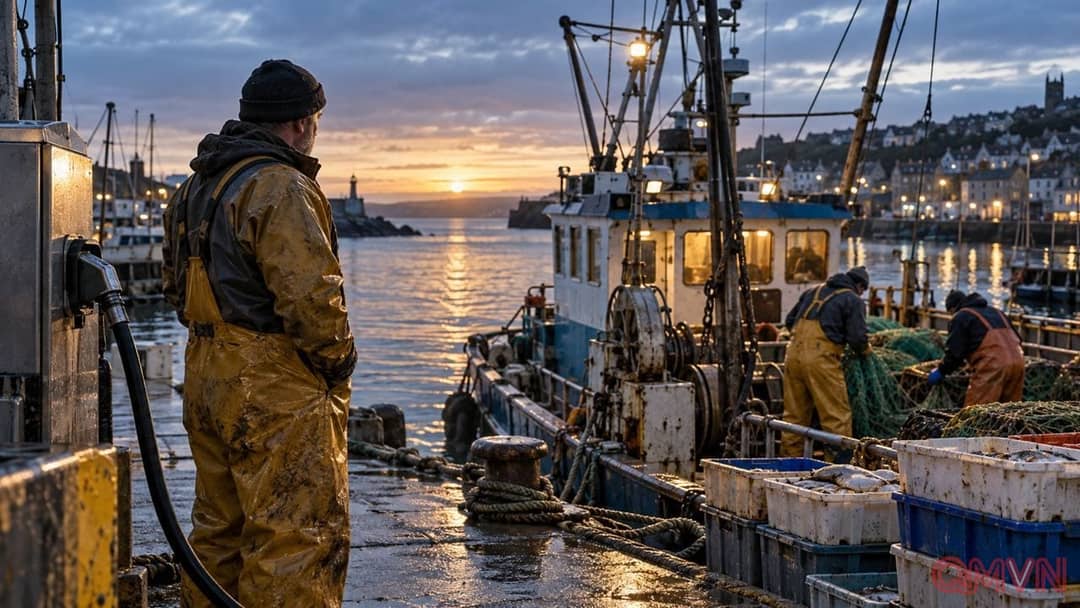
When a boat faces a fuel bill running into thousands of pounds before it has landed a fish, the decision to sail involves more than weather and tides. Steve Moseley, skipper of the Newlyn trawler Billy Rowney, told the BBC his fuel costs about £3,000 a day and questioned whether the work remains worth doing. That is one operator’s reported expense, not an industry-wide average.
Lee Harvey of the Dream Catcher framed the worry plainly: there is little point going to sea if a catch brings no earnings. Crews’ pay, maintenance, safety equipment and lost days to weather also shape the business. If fish prices do not keep pace with costs, owners may reduce trips or tie up vessels. Such choices reach dock workers, transporters, repairers and other businesses built around the port.
What existing support can and cannot do
The Department for Environment, Food and Rural Affairs, or Defra, points to fuel tax relief and the £360 million Fishing and Coastal Growth Fund. HMRC guidance confirms that eligible commercial fishing vessels can obtain fuel free of excise duty under specified conditions or reclaim the duty. It would be inaccurate to say the fleet receives no help at all with fuel.