MAIN ARTICLE
Executive speed versus judicial remedies
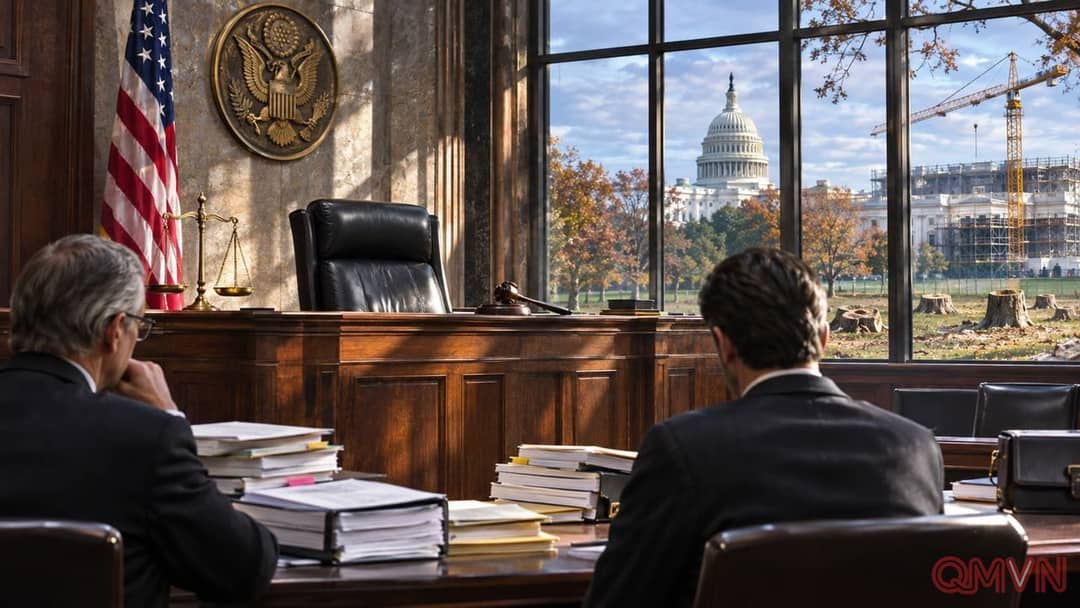
The dispute over East Potomac Golf Links in Washington illustrates the importance of timing. After government lawyers addressed questions about renovation plans, hundreds of trees were removed over an October 2026 holiday weekend. Federal Judge Ana Reyes subsequently barred additional tree damage and required advance notice of changes that could not readily be undone. She also initiated scrutiny of whether officials had fully informed the court. The government has described portions of the work as maintenance and infrastructure protection.
The White House ballroom case offers another example: construction moved substantially forward while legal challenges traveled through the courts. Disputes over standing and historic-preservation authority show why procedural rulings should not be mistaken for blanket judicial approval of every aspect of a project. Yet once trees have been felled or a structure built, restoring the previous state may be harder than imposing a timely pause.
One policy, changing legal authorities
The tariff litigation highlights a different route. After the Supreme Court rejected the use of the International Emergency Economic Powers Act for certain import duties in February 2026, the administration turned to other trade statutes.