MAIN STORY
An offer to cooperate after a painful election
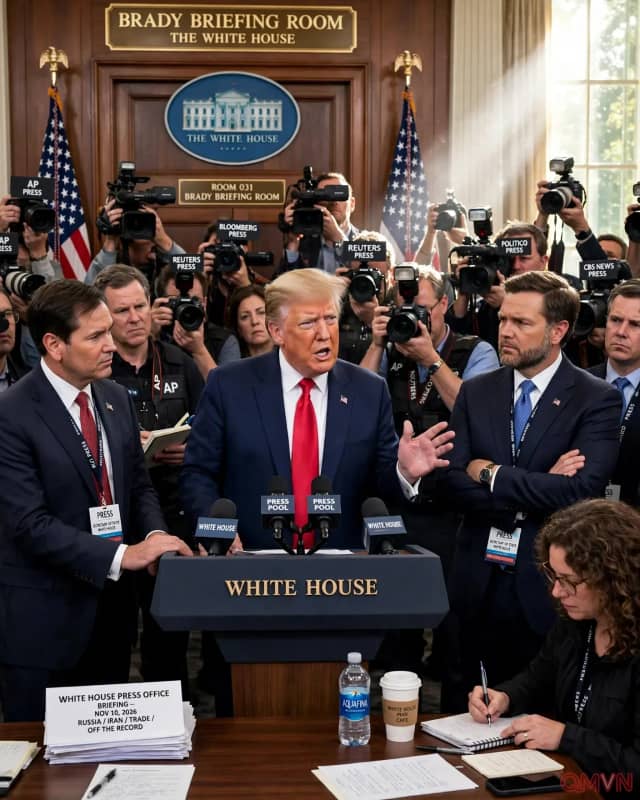
In a telephone interview on election night, Trump said he was willing to recognize the voters' verdict and anticipated discussions with the new congressional leadership. The remark was significant because it followed a campaign in which he repeatedly asked voters to treat Republican candidates as extensions of his own presidency. Early returns instead showed Democratic victories across states and districts where Republicans had expected stronger performances.
Trump told The New York Times that Republican turnout had suffered because he personally was not running. He also said he regretted neither his endorsements of unsuccessful candidates nor the policies pursued during his second term. That explanation shifts attention from a broader rejection of governing choices to the unusual difficulty of mobilizing his coalition without his name on the ballot. The two interpretations may shape how Republicans rebuild their electoral strategy.
Iran and the cost of everyday life
The president described the military campaign against Iran as a wise decision, while acknowledging that higher oil and gasoline prices had made voters unhappy. This distinction matters: accepting that a policy had electoral costs is not the same as acknowledging the policy was mistaken.