Doom spending: when uncertainty turns into a purchase button
Doom spending generally describes unnecessary or excessive spending used to self-soothe in response to economic or social anxiety. A 2026 academic study describes it as emotionally driven consumption that can be especially visible among younger people. NerdWallet similarly notes that shopping can create a temporary feeling of control and reward, but can also lead to impulse purchases and regret.
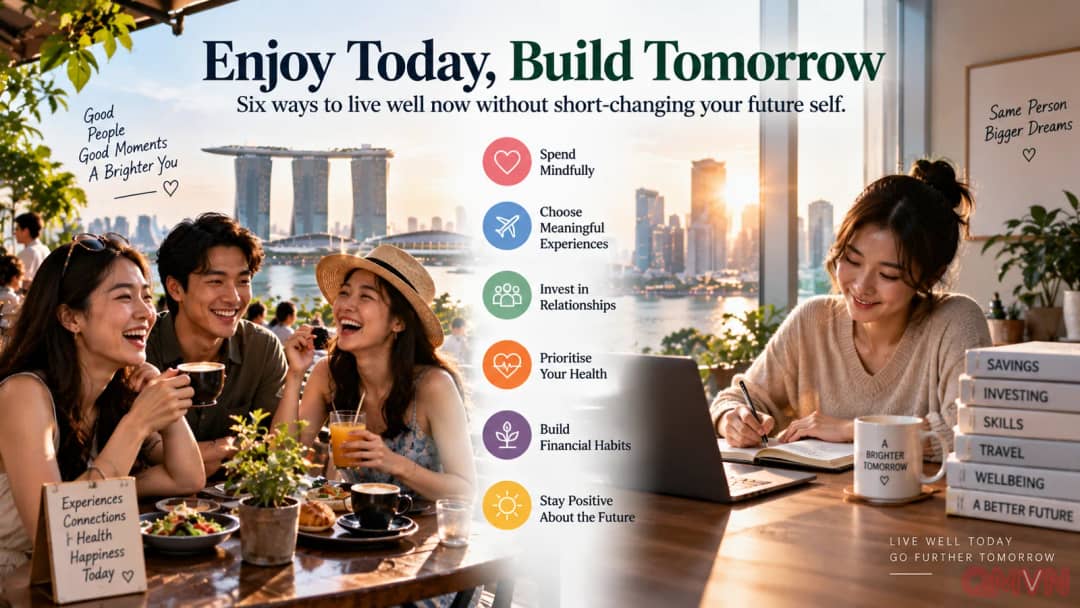
The answer should not be reduced to judging young people for spending. Housing costs, living expenses, job uncertainty and constant displays of wealth on social media can all change how attainable the future feels. A more useful response is to build a structure that allows enjoyment now without borrowing that enjoyment from future financial security.
1. Spend on experiences with lasting value
Travel, learning something new or encountering another culture can create memories, confidence and adaptability that last longer than a fashionable object. The Straits Times column highlights the value of travelling while young as a way of building character and confidence, not as permission for unlimited spending.
Intentionality is the key. A nearby trip planned and paid for in advance may create more value than an expensive holiday financed by debt. CNBC Select similarly recommends balancing experiences and long-term goals: if you cannot maximize both, scale both down rather than abandoning saving altogether.