MAIN CONTENT
A civilian emergency in a strategic Gulf state
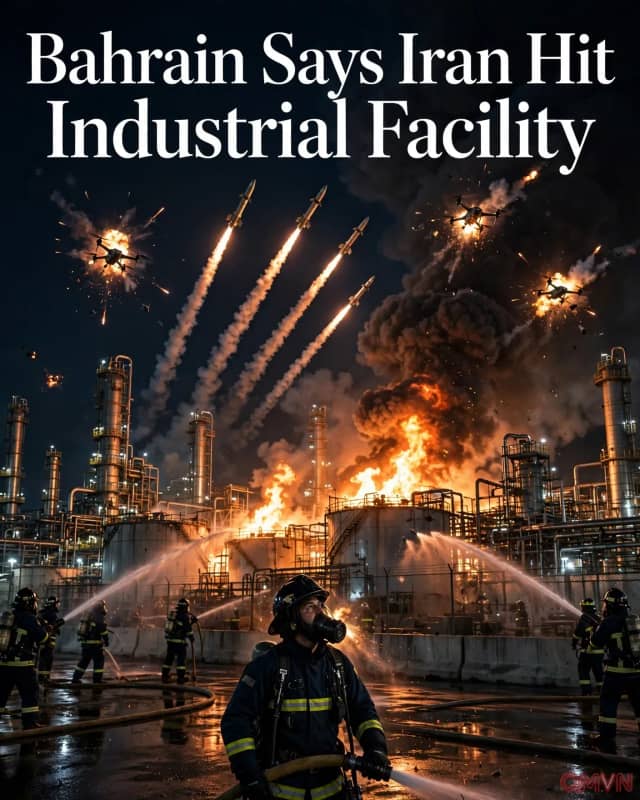
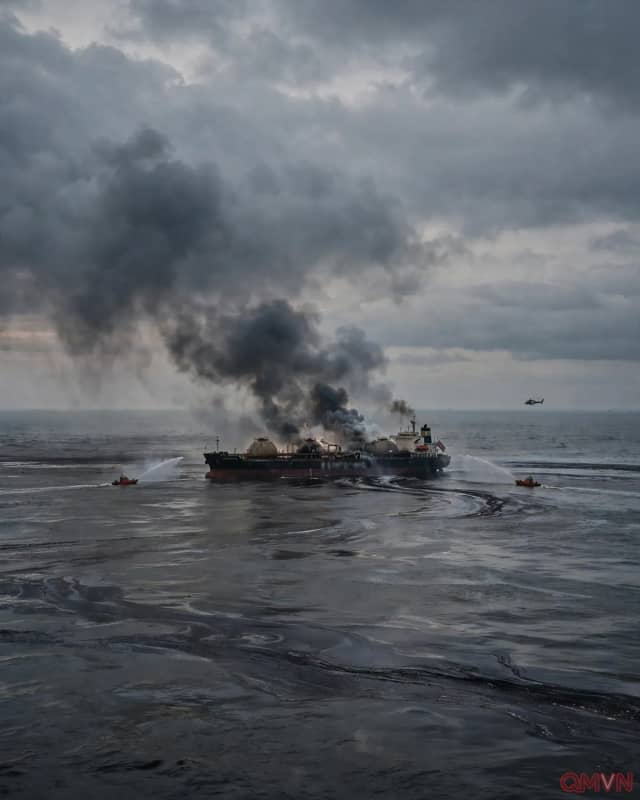
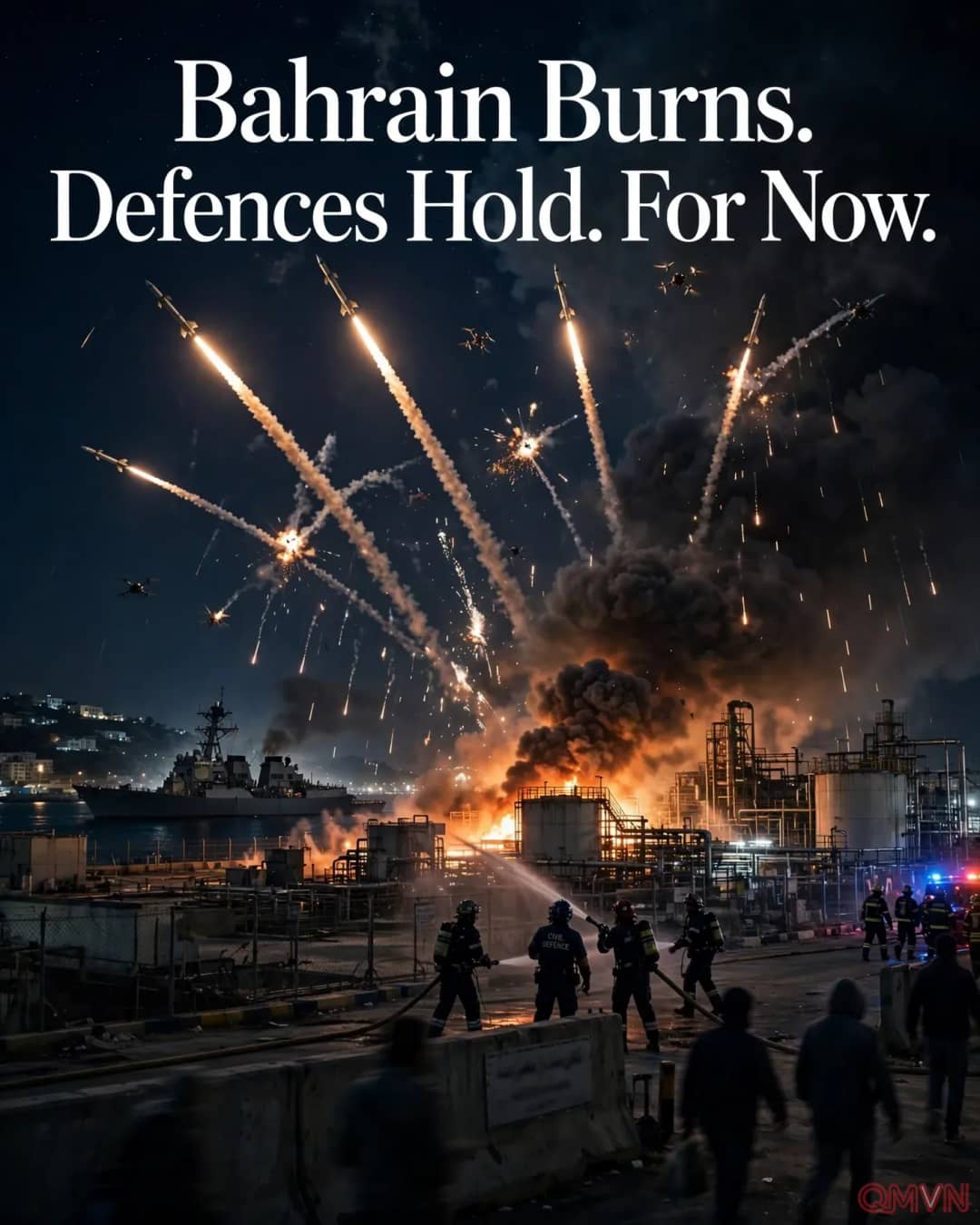
On Saturday, Bahrain's Interior Ministry reported that a civilian industrial facility had been hit and that Civil Defence crews were fighting a blaze. Images circulated from Sitra showed flames rising above a site, but the ministry did not initially identify the facility or specify its industrial function. That distinction matters: a visible fire can establish the scale of an emergency without settling which part of a complex was hit or what weapon caused each instance of damage.
Officials first urged people to seek the nearest safe location, later declared the immediate threat over, and subsequently sent another warning. For residents, alternating alerts and all-clear messages turned a distant geopolitical confrontation into a practical decision about where to shelter and whether it was safe to travel. Emergency communication becomes particularly important where factories, homes and transportation corridors are close together.
In a Sunday update, the Interior Ministry reported two injured people: a Pakistani resident described as critically hurt and a Bahraini citizen said to be stable. An earlier account had indicated no injuries from the industrial-site fire. These statements should not be conflated: the later injury toll concerned attacks across the country, and the precise circumstances of each injury were not detailed in the initial Reuters reporting.