When supermarket fridges became targets
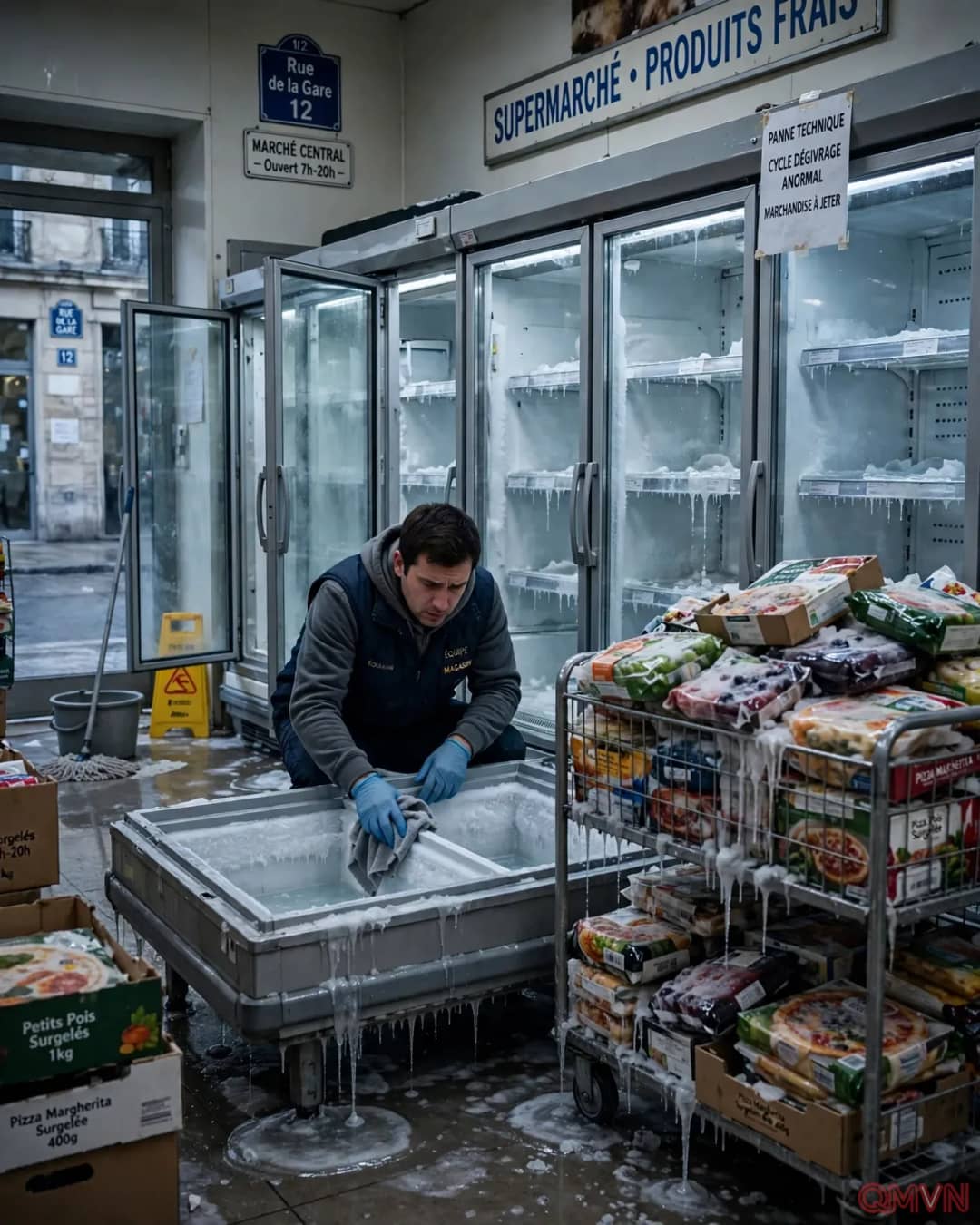
Hackers forced shop refrigeration systems into a continuous defrost cycle. At an ICA Kvantum store in Sjöbo, southern Sweden, fridges and freezers were set to as high as 50 degrees Celsius, and staff had to load goods into shopping carts to be thrown away. The incidents spread across several countries after a similar attack on hundreds of supermarkets in France in October, and the European Union (EU) denounced it as a deliberate attempt to disrupt the food chain.
France blamed Iran for the attacks. Meanwhile, British cybersecurity officials pointed to a very basic weakness: many refrigeration systems still used default universal passwords, allowing attackers to guess their way in. The episode highlights the downside of a growing number of everyday devices being connected to the internet.
Should you worry about your devices at home?
According to Mieke Verburgh, senior director of threat labs for Europe at cybersecurity company Malwarebytes, the risk of a smart home device being hacked is “quite low for most people, but not zero”. The main danger comes from automated programs scanning the internet for easy targets, such as devices still using default passwords or not updated in years.