A Difficult Acknowledgement After Years of Avoidance
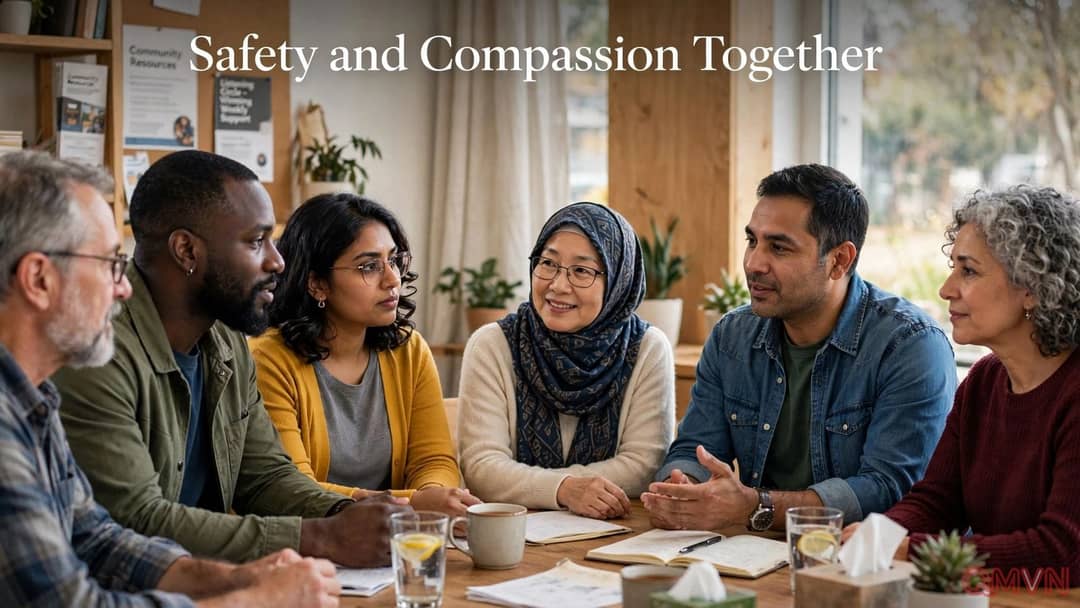
Speaking exclusively to The Guardian, Sarah Hughes said charities specialising in mental health had to become more comfortable discussing the risk of violence that could exist from a minority of people with mental health illnesses. Her comments came after Mind held a roundtable with experts in Westminster to discuss the role mental health services needed to play to keep the public and patients safe.
We, as a charity sector, have failed to acknowledge that violence does happen in some circumstances, she said. As a sector, we have held the narrative that the majority of people don't commit violent crime. However, some do and the consequences are grave.
Hughes added: My feeling is that we haven't always been able to articulate the topic of violence and mental health well to the public and ultimately, we have softened the truth. Stigma and discrimination are incredibly harmful, however our efforts to reduce them have, at times, meant that some of the most difficult topics have been brushed under the carpet.
The Nottingham Case and Repeated Failures
The public inquiry has heard evidence from various local authorities, including health professionals and police officers, as well as Calocane's family, to assess the events, acts and omissions that led to the killings. The inquiry heard how Calocane had committed a string of violent incidents in the years before the attacks, repeatedly refused to take medication, and was sectioned four times in the space of two years.