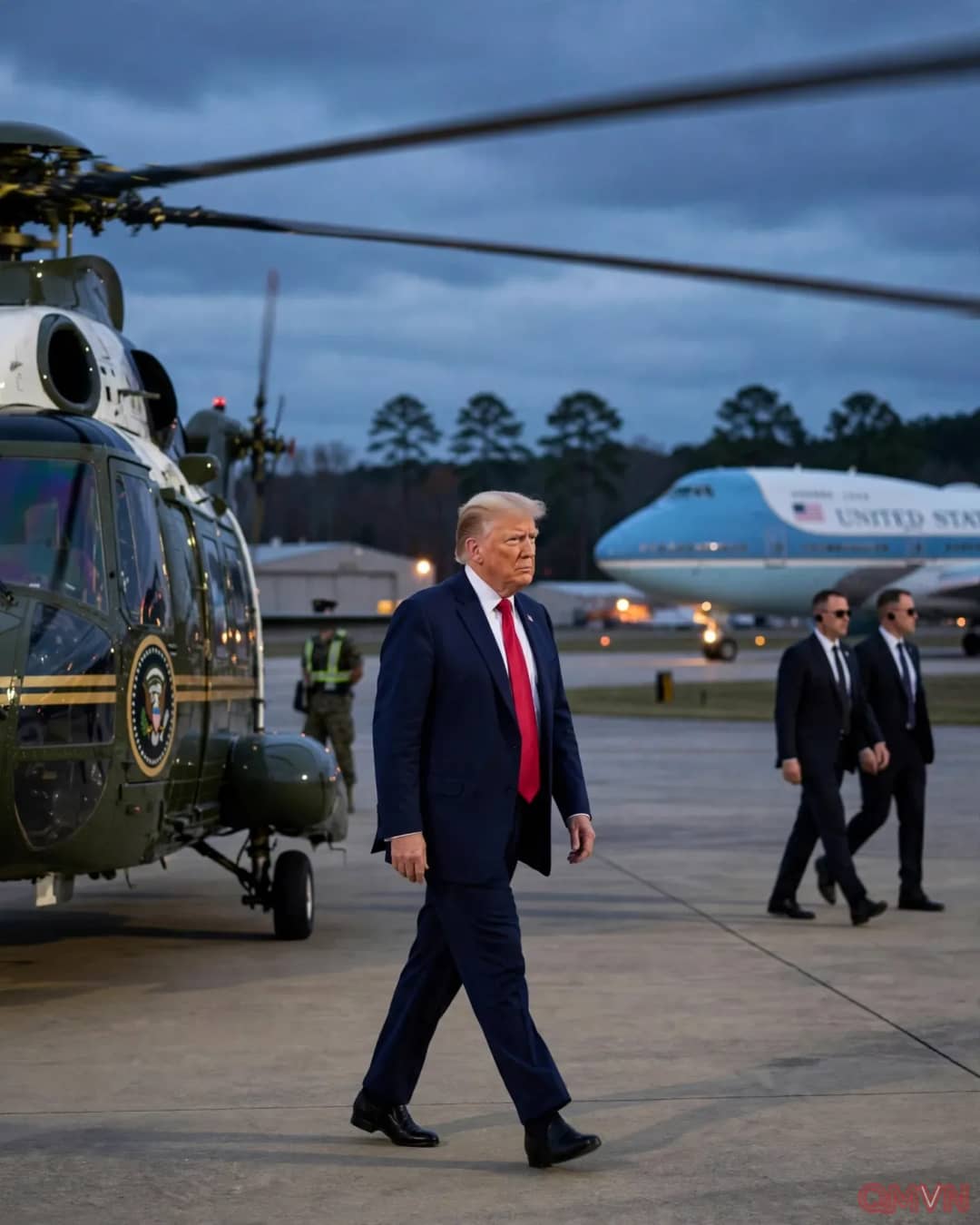
A suspension order and the “national interest” rationale
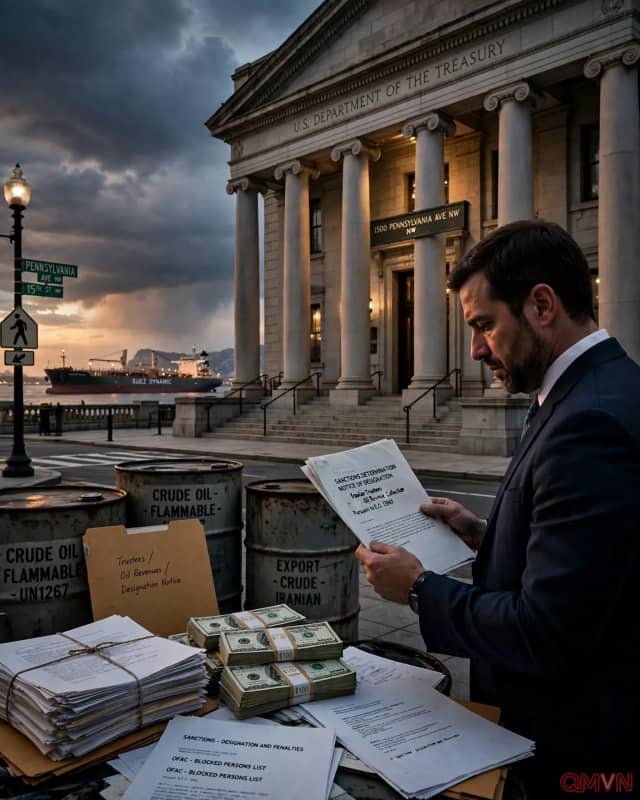
According to The Associated Press, the executive order signed on October 16 places the sanctions package on hold under a provision that allows the president to grant a waiver if he certifies in writing that it serves the national interests of the United States. It is a lawful option the legislation gives him, but one that also requires him to justify his choice to Congress.
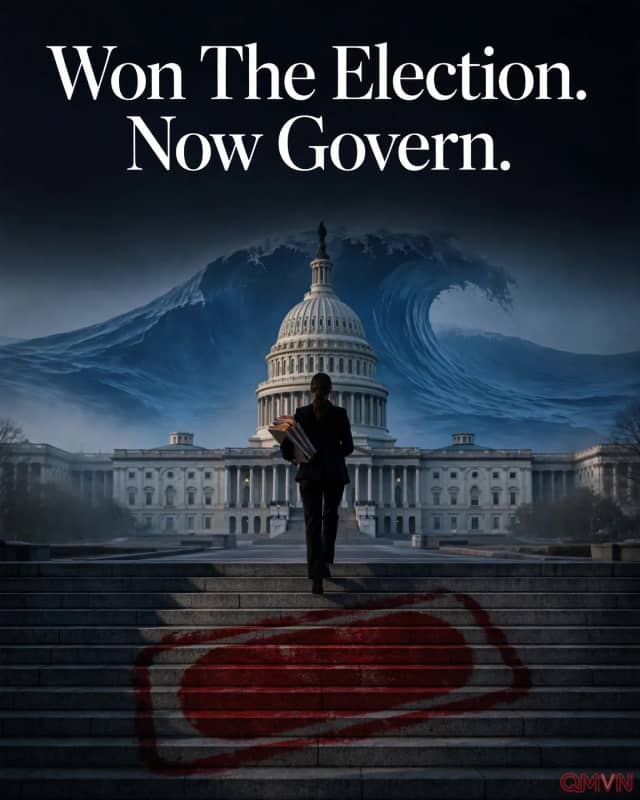
According to an analysis by the Kyiv Post, Trump cannot treat mandatory provisions as optional, but he can use the waiver power to limit how much additional pressure Russia faces. The decision came close to the law’s implementation deadline, as the midterm elections, in which Republicans risk losing their congressional majorities, draw near.
A law named after a late senator
Senator Lindsey Graham, who championed the bill together with Democratic Senator Richard Blumenthal, died in July. His death gave his colleagues momentum to push the legislation through. The main features of the law include:
- The Senate passed it 86–11 on August 7, 2026, and Trump signed it into law in September.
- A deal with the White House cut the proposed tariffs on buyers of Russian energy from 500% to 100% and narrowed their reach.