MAIN STORY
Washington and Beijing seek a boundary for military AI
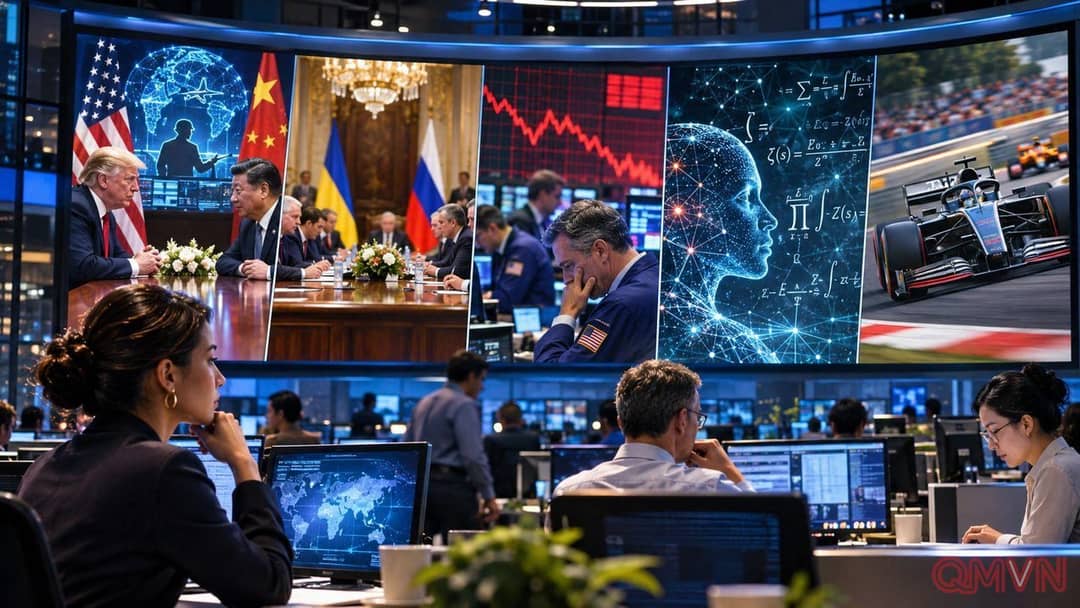
US Treasury Secretary Scott Bessent said on November 20 that Trump and Xi had agreed people should remain involved in military decisions employing AI. Reuters reported the remarks after the leaders met in Shenzhen on November 19. The announcement came despite intense competition over computing capacity, advanced models and their security applications. Importantly, Bessent described an understanding between leaders; a detailed, independently verifiable enforcement mechanism or a comprehensive binding treaty has not been presented in the reporting.
The distinction matters because machine speed and human accountability are not interchangeable. Software may process sensor information instantly, but decisions capable of costing lives demand context, legal judgment and an identifiable chain of responsibility. Turning a principle into operational rules would require clarity about what meaningful human involvement actually entails. Cybersecurity tensions and rivalry for AI leadership remain, so a shared safeguard should not be mistaken for a broader reconciliation.
Ukraine diplomacy offers hope but no settled guarantees
At a White House news conference following his Asia trip, Trump characterized his discussion with Putin as productive and suggested a deal on Ukraine might be possible. According to Reuters, the leaders spoke separately during activities around the APEC gathering in China. Trump nevertheless declined to spell out security guarantees for Ukraine before an agreement existed. That hesitation exposed the distance between diplomatic optimism and the commitments that would make any peace durable.