MAIN CONTENT
Where the €120 billion estimate comes from
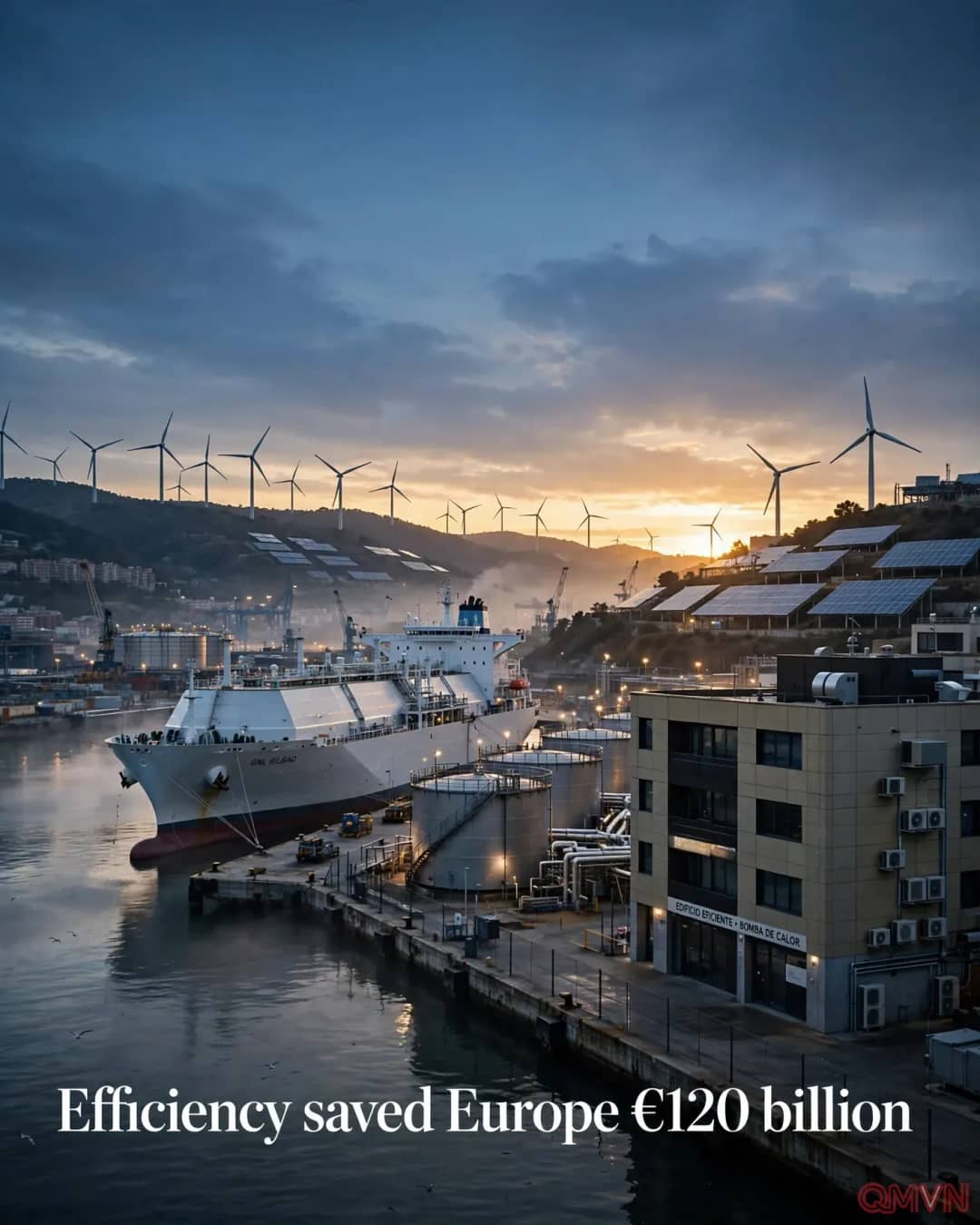
Commission spokesperson Anna-Kaisa Itkonen told Reuters that the approximately €120 billion saving, or $132 billion in the report, concerns oil and gas import costs between February 2022 and mid-2026. It is an estimate attributed to energy efficiency, not a separately disbursed pot of public money.
The timing matters: the Commission credits savings recorded after 2022 to measures introduced from 2015 through 2021. In that sense, changes in how energy is consumed can continue to yield benefits years after policies first take effect.
Europe’s 2040 electrification ambition
In its Electrification Action Plan presented in July, the Commission set a goal for electricity to reach 46% of final energy consumption by 2040, compared with roughly 23% today. It argues that greater electrification could cut fossil-fuel dependence, reduce costs and strengthen European competitiveness.
Technologies such as heat pumps can replace fossil-fuel equipment when paired with cleaner electricity. But the Commission maintains that using more electricity does not eliminate the need to reduce total energy demand through improved efficiency.
Regulatory timetable draws concern
Environmental organisations warned last week that delays to planned EU energy-efficiency and energy-labelling rules could undermine the bloc’s approach. Their position is that electrification alone will not deliver the EU’s climate and energy objectives.
Itkonen provided no new schedule for the forthcoming proposals. The Commission highlighted the Energy Efficiency Directive, Energy Performance of Buildings Directive and Renewable Energy Directive as legal frameworks supporting both electrification and lower overall consumption.
Long-term savings and energy security
The Commission separately estimates that efficiency measures saved 195 million metric tons of oil equivalent from 2005 through 2024, approximately the combined gross inland energy consumption of Italy and Belgium in 2024. This energy-volume measure is distinct from the €120 billion import-cost estimate.
Reducing the energy needed to provide the same services can ease import pressure and improve resilience to supply disruptions. In the Commission’s account, efficiency and electrification reinforce one another rather than competing as alternative strategies.
“First of all, to reduce the overall energy demand while providing same or more energy services. Second, it contributes to security of energy supply.” Anna-Kaisa Itkonen