MAIN CONTENT
A new plaque and competing interpretations
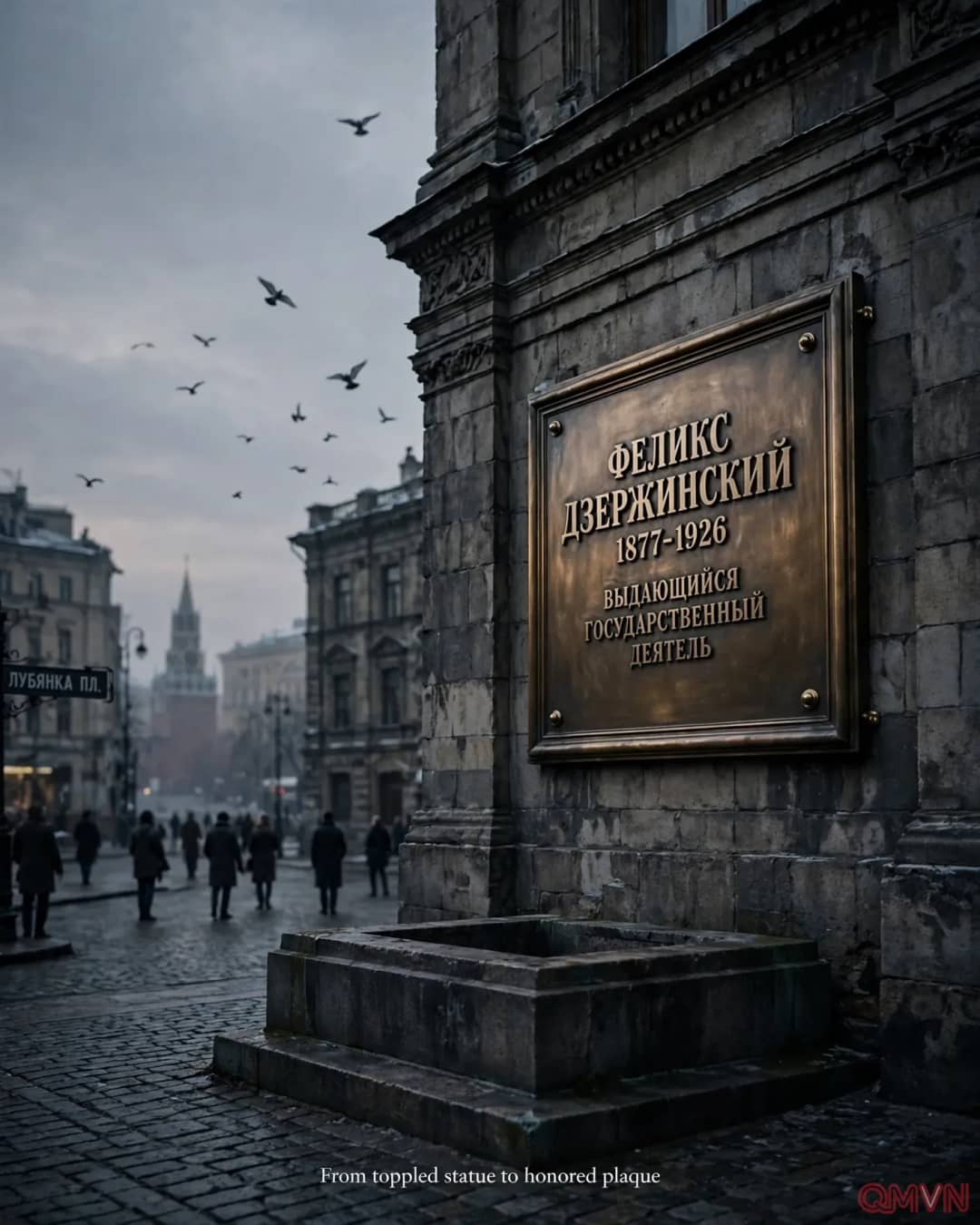
The large bronze plaque stands on a building near the Kremlin where Dzerzhinsky worked between 1924 and 1926. It portrays him against factory chimneys, a steam train and an electricity pylon, foregrounding the story of early Soviet industrialization.
According to Reuters, the inscription credits him with initiating sweeping industrial development. Supporters see an acknowledgment of an influential Soviet official, whereas critics object to separating that tribute from the record of political repression.
The Cheka legacy and the statue dispute
Dzerzhinsky was a revolutionary born into Polish nobility who established the Cheka. Reuters describes the force as responsible for tens of thousands of summary executions between 1918 and 1922 as the Bolsheviks consolidated their rule.