A speed cap that arrived without warning
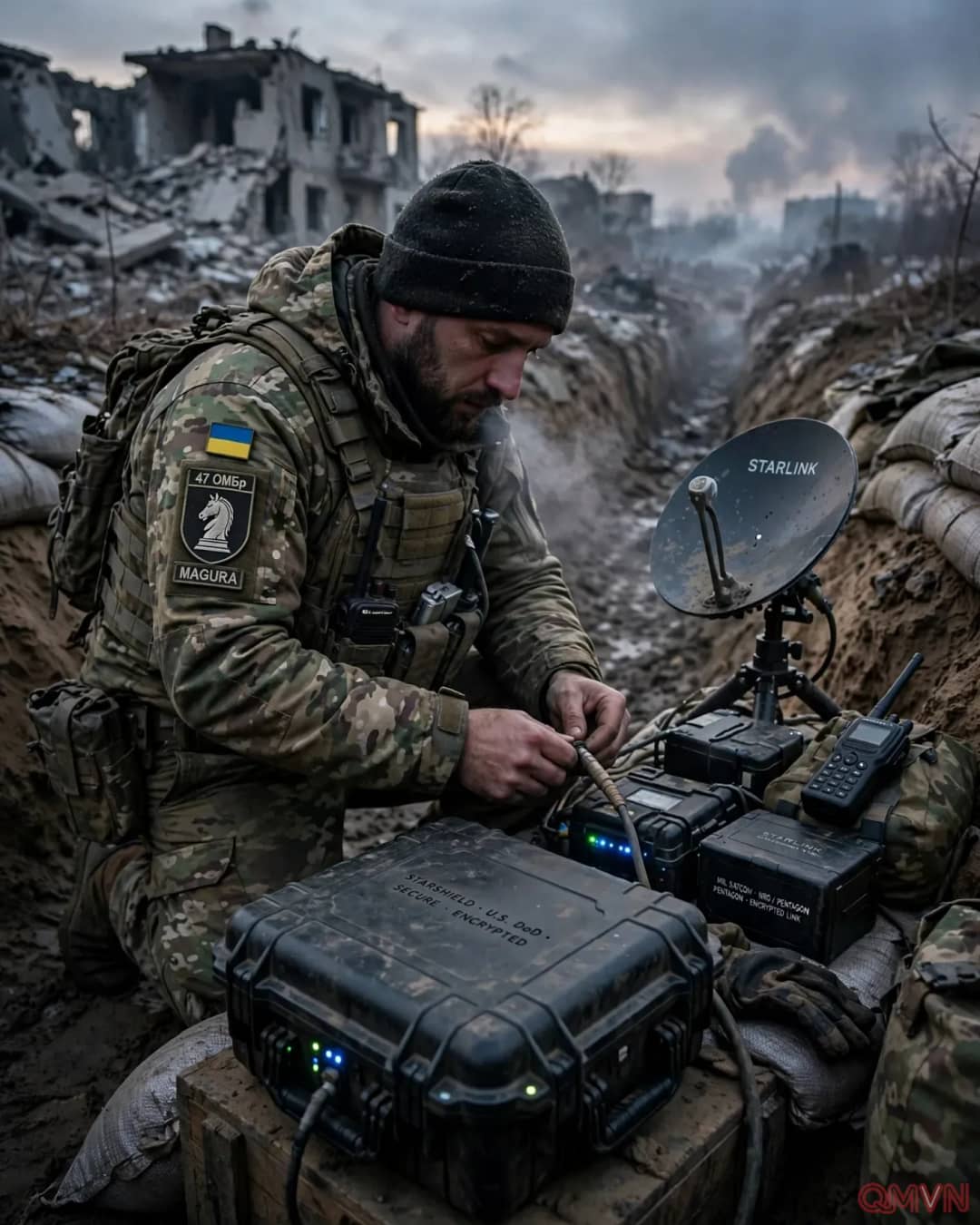
According to Serhii Beskrestnov, an adviser to Ukraine’s presidential office, a “speed limit” had been imposed on terminals used by the country’s military. Once a drone or vehicle passed roughly 160 km/h, the signal began to flicker and then dropped entirely. A source told CNN that Ukraine’s armed forces learned of the restriction only from SpaceX customer support after complaining about operational problems, and that the company gave no prior notice.
For an army that has made drones the backbone of its battlefield, a 160 km/h threshold is no harmless technical figure. The operations affected include:
- High-speed interceptor drones used to hunt Russia’s jet-powered Shahed drones.
- Mid-range strike drones targeting positions behind the front line.
- Frontline reconnaissance.
- Tactical logistics and communications between mobile units.
Elon Musk shifts the decision to Washington
Faced with a wave of criticism, Musk took to his platform X to draw a line. Starlink, he said, is a commercial service owned by SpaceX, limited to civilian or defensive use and unavailable for offensive military action, which would be inappropriate for a commercial company. Starshield, however, is a different matter.