MAIN CONTENT
A diplomatic opening created by uncertainty
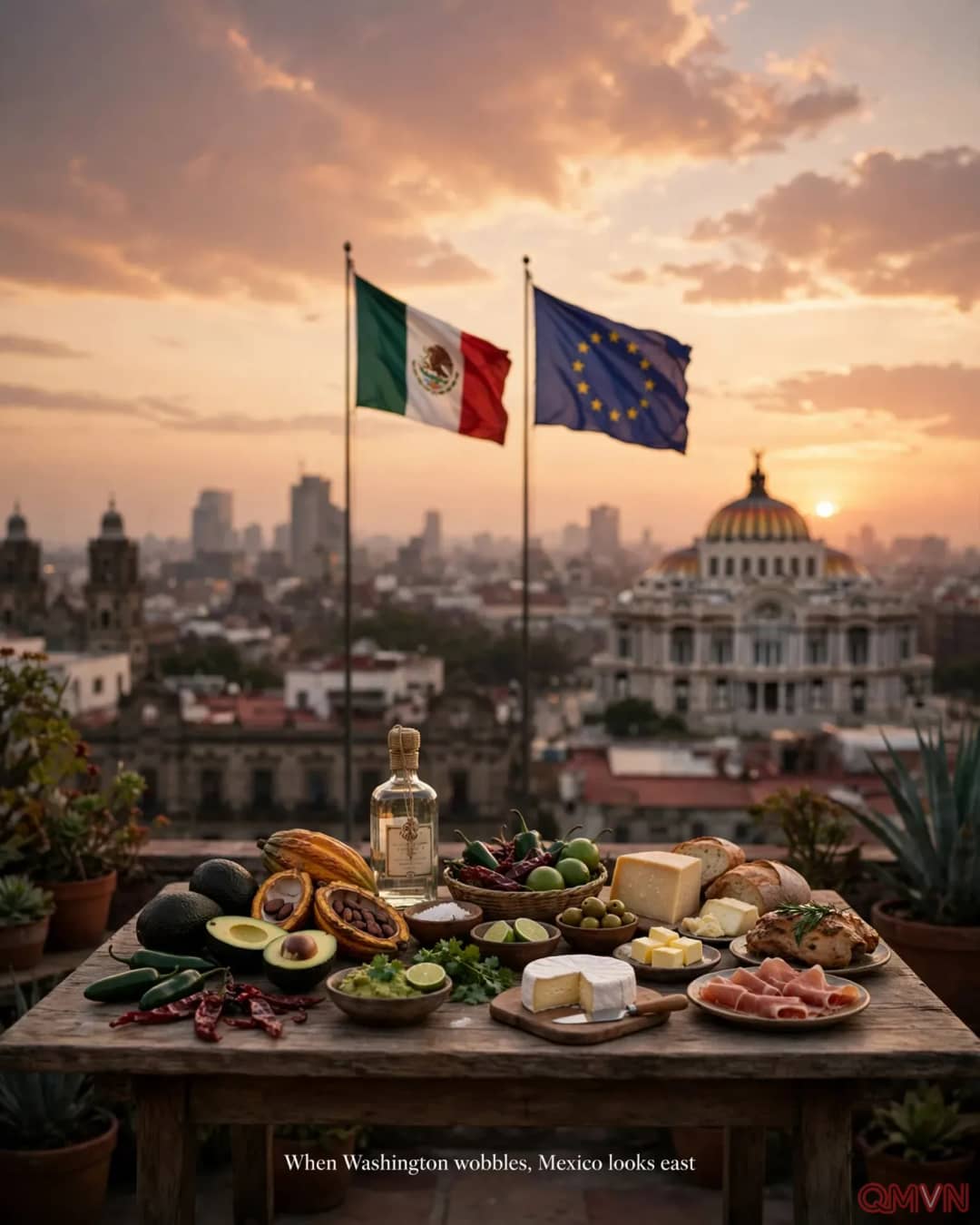
Hansen’s message during his Mexico City visit was that unpredictable trade relations can encourage countries to seek more dependable partners. In an interview reported by Reuters, the commissioner argued for a system in which trading partners negotiate as equals instead of yielding to superior economic power. The statement reflected a European effort to promote negotiated rules at a time when Washington’s tariff threats have unsettled supply chains across North America and beyond.
The United States remains indispensable to both Mexico and the EU. For Mexico especially, geographic proximity, integrated manufacturing and longstanding investment ties make substitution unrealistic. Roughly 80% of Mexican exports go to its northern neighbor, according to the Reuters report. An agreement with Europe would therefore be better understood as diversification: another channel for exports, imports and investment, not a sudden redirection of the Mexican economy. That distinction matters when political enthusiasm meets the slower work of building commercial relationships.
A signature is not the same as an agreement in force
The modernized EU–Mexico framework was signed in May 2026 after years of negotiation to update the original 2000 agreement. It has two legal tracks. An Interim Trade Agreement is designed to activate trade provisions sooner, while the broader Modernised Global Agreement covers additional political, cooperation and investment matters and requires a more elaborate ratification process. The Council of the European Union formally approved the interim accord in July, following consent from the European Parliament.