The ban and early figures
The ban took effect on September 1, with the following provisions and early results:
- The ban applies to girls under 14; the government says it promotes gender equality and protects Muslim girls.
- According to the education ministry, authorities have held 127 meetings with parents and filed 52 reports of alleged breaches.
- When pupils refuse to comply, schools must hold a series of discussions with pupils and parents before cases are referred to education authorities.
- Parents who continue to ignore the ban can be fined.
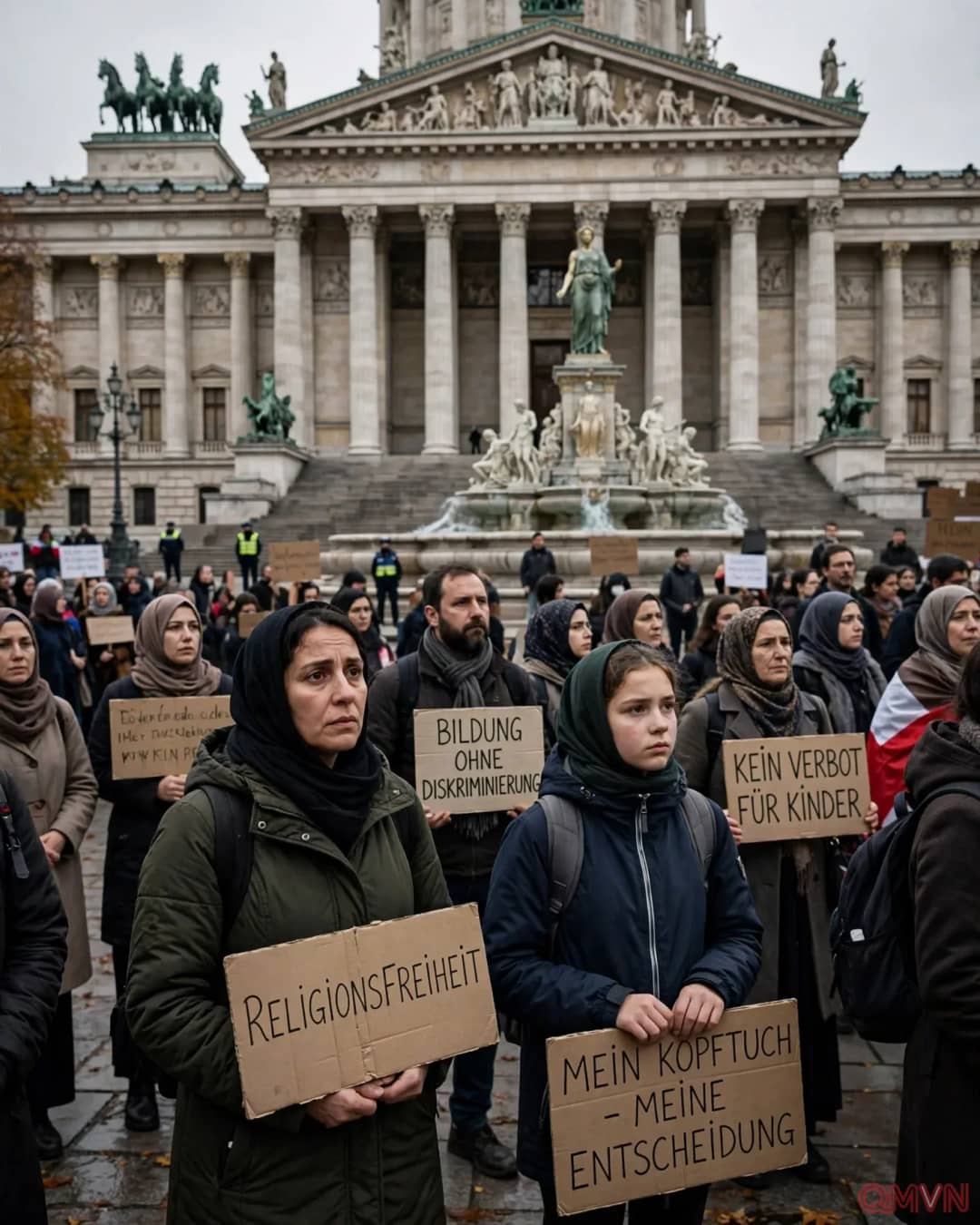
Opponents have held protests across Austria, each drawing several hundred people. They argue the law disproportionately targets Muslims, infringes religious freedom and forces young girls to dress in ways that make them uncomfortable.
Voices of parents and pupils
At a protest in Vienna, Zehra, 37, said her daughters, aged nine and 13, were "sad and angry" about the ban. Seham, 12, said she was "afraid" to remove her headscarf at school because she had worn it for two years and it felt like part of her; after talks with school leaders, she was allowed an alternative head covering but would still rather wear the full headscarf.