MAIN CONTENT
A continent-wide protest, but not a single movement
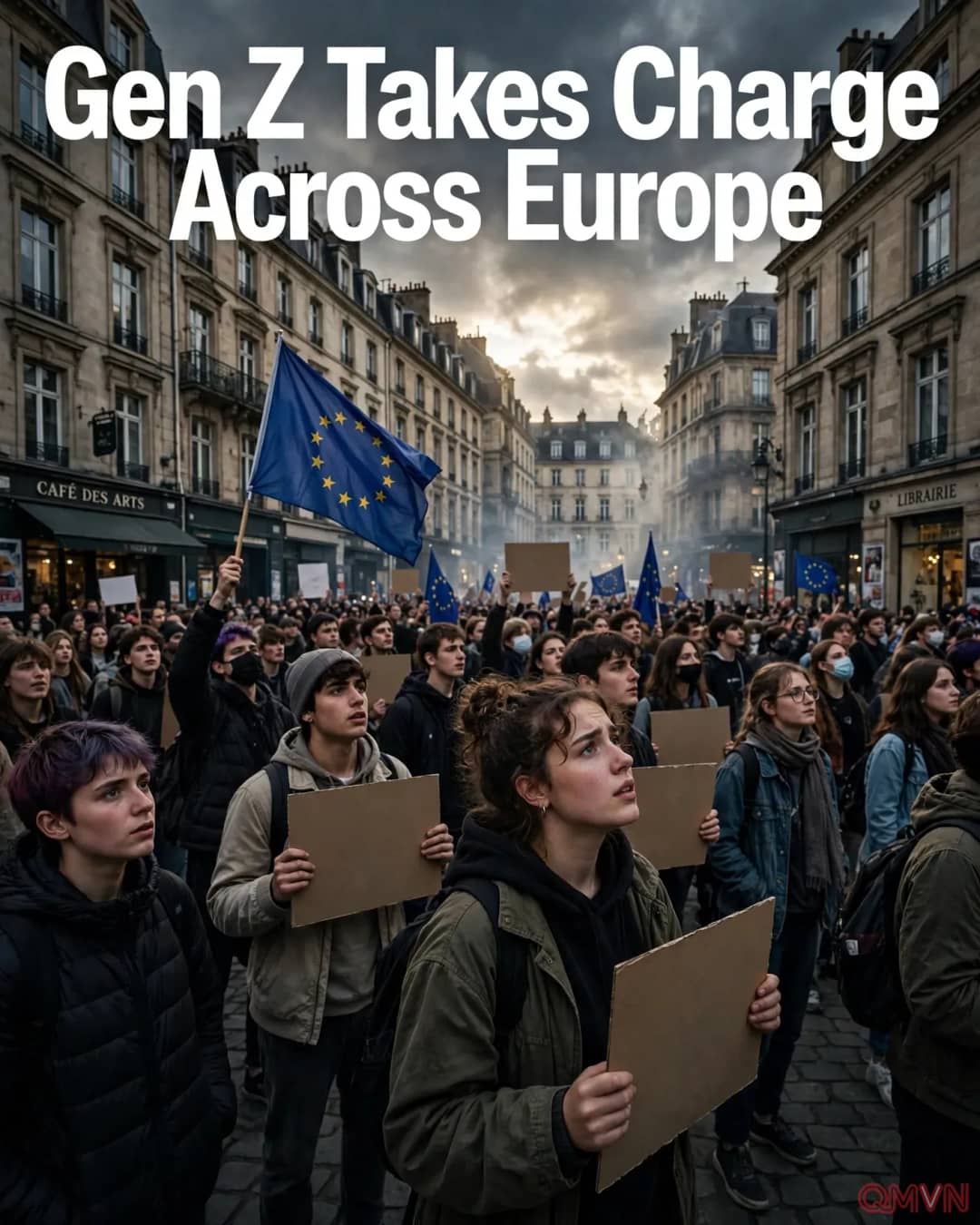
The largest common theme was the difficulty of imagining an independent adult life. Young Europeans spoke about rents climbing faster than starting salaries, education systems under financial strain and degrees that do not guarantee secure jobs. Organizers described a coordinated international youth strike involving at least 25 countries. The Guardian reported that a coalition of more than 50 groups planned actions in roughly 400 cities, though plans should not be confused with verified attendance. In Hamburg, police estimated approximately 4,000 demonstrators at the “Gen Z regelt” march. In London, students converged on Parliament Square, while rallies also took place in Cologne and other German cities.
Calling these demonstrations one unified uprising would obscure meaningful differences. A university student questioning tuition and a delivery worker worried about wages may share frustration without supporting the same remedies. Protest networks were linked by common slogans and online coordination rather than a common manifesto binding every participating organization. That flexibility helped bring local campaigns into a larger European conversation, but it also makes numerical claims and sweeping judgments about an entire generation difficult to substantiate.
Italy connects student anger with organized labor
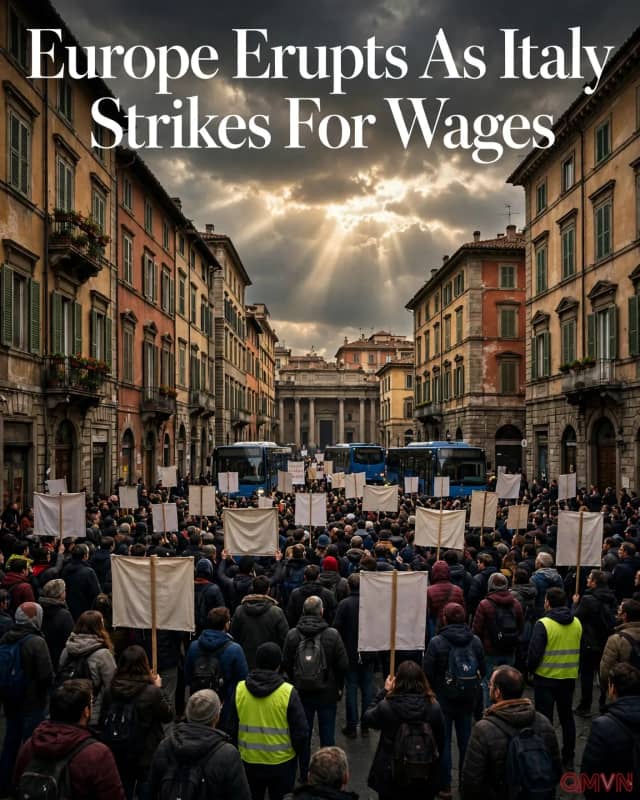
Italy provided one of the clearest examples of generational grievances meeting a broader labor movement. CGIL called a general strike over pay and public spending, while demonstrations occurred in more than 100 public squares, according to the union and contemporary reporting. In Rome, Milan and Bologna, protesters linked education funding and the rising cost of living to debate over military budgets. CGIL secretary-general Maurizio Landini said more than one million people took part nationwide; that remains an organizer’s estimate rather than an independently verified head count.
The coalition mattered because the concerns of students, employed adults and pensioners overlap but are not identical. Younger people may see expensive housing as a barrier to forming a household; older workers may see weakening public services as a threat to financial security. A strike also carries immediate costs for commuters and businesses. Public debate therefore includes not only the legitimacy of grievances but also how governments can weigh protest rights, essential services and competing fiscal demands.
Why the cost of living becomes a question of trust
For many protesters, the issue extends beyond a monthly budget. The pandemic interrupted schooling and social development, while subsequent inflation and housing pressures made milestones such as leaving home or finding stable work harder to reach. The climate crisis adds a long time horizon to problems already felt in the present.
Artificial intelligence is another source of uncertainty: students entering the labor market wonder whether governments and employers will protect opportunity as technologies transform jobs. These concerns differ by country, and neither unemployment nor educational costs can be represented by one Europe-wide figure.
Protesters’ focus on public budgets raises a larger democratic question: who gets to define national priorities? Marchers in Britain, Germany and Italy argued that military spending should not come at the expense of schools, hospitals or wages. Governments, however, also face security obligations amid wars and geopolitical tensions. Whether a proposed allocation is justified depends on the actual budget and national circumstances. The demonstrations make that political trade-off visible without settling it.
Foreign wars bring moral urgency and disagreement
The war in Gaza and concerns about European rearmament gave the rallies a sharper political edge. Some student and antiwar groups accused their governments of enabling Israel’s actions and urged an end to military escalation. Others focused on prospective conscription, arguing that younger people would carry the heaviest burden of future conflicts. These are positions advanced by participants, not universally held views among Europe’s young people; governments and citizens disagree about defense policy, the responsibility to protect civilians and how best to pursue peace.
Such disagreements can make alliances powerful but fragile. A call for affordable transport and a call to reverse defense policy invite different institutional responses. Police in London said they would protect lawful protest while acting against criminal behavior. The demonstrations therefore also tested a basic democratic balance: giving people room to express contentious views while protecting others’ rights and keeping public infrastructure functioning.
What happens after the placards come down
A day of coordinated marches can draw attention, but lasting influence usually requires demands that officials can measure and negotiate. Tuition changes, housing investment, better apprenticeships and education budgets all involve different institutions and timelines. Participants will need to decide whether to maintain broad coalitions or focus on smaller local goals. Authorities, meanwhile, can engage with the specific concerns behind the slogans rather than treating every protest as an identical rejection of government.
The next test is not simply whether more people gather on Saturday or in subsequent weeks. It is whether protesters, unions, universities and public officials can transform a shared sense of insecurity into credible policies. For young people whose formative years have already included a pandemic, economic upheaval and multiple wars, the demand to be heard is also a demand to take part in choices that will shape their adult lives.