MAIN CONTENT
An apology is not a promise to pay
Speaking to the BBC, Foreign Secretary Ed Miliband drew a sharp distinction between acknowledging Britain’s historical wrongdoing and committing taxpayers to financial reparations. He said the government could consider an official apology while maintaining its longstanding opposition to compensation payments. That distinction has become the central political safeguard surrounding the initiative.
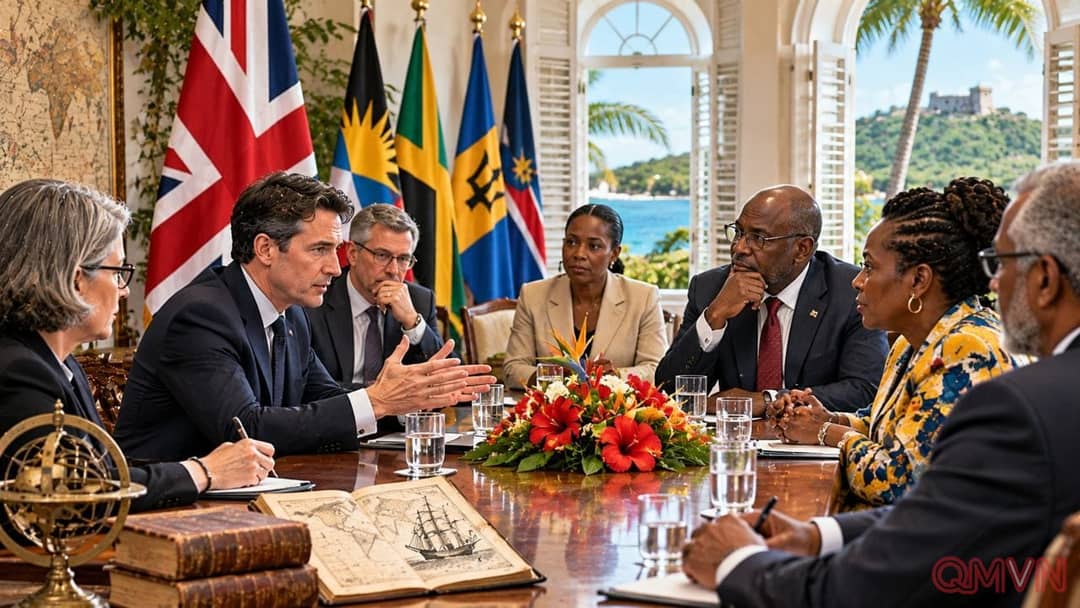
Prime Minister Andy Burnham has offered a structured dialogue with countries and communities affected by the transatlantic slave trade. They would have an opportunity to help shape any potential apology rather than receive a statement written unilaterally in London. Openness to such discussions, however, is not confirmation that an apology has been agreed or that a reparations program is being created.
“No. That has never been what it is about for us.” — Ed Miliband
Why Caribbean demands go beyond words
Millions of Africans were forcibly transported across the Atlantic over centuries, their labor enriching imperial economic systems. Reparatory-justice advocates argue that the consequences persist in disparities in wealth, institutions and access to financing. In that interpretation, an apology may be essential, but it remains only one part of a much longer reckoning.