MAIN CONTENT
Mocha and a strategic threshold
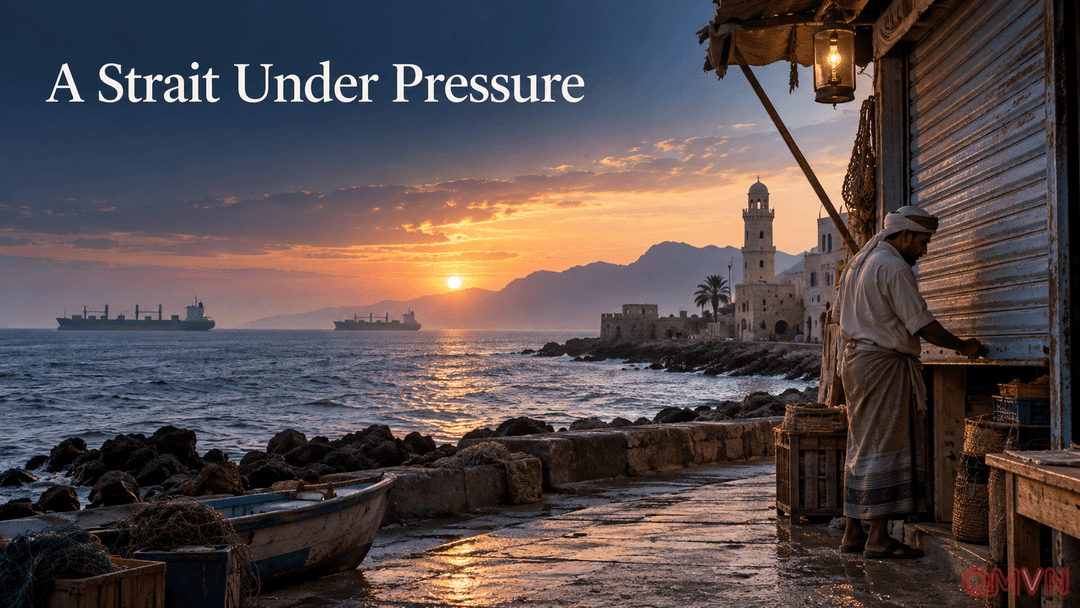
BBC News reported that Houthi forces captured Mocha during a major ground offensive on Yemen’s western coast. The city is less than 80 km from Bab el-Mandeb. That is a short distance on a map, but a consequential one: a force that holds ground along this coast can exert pressure on approaches to the strait.
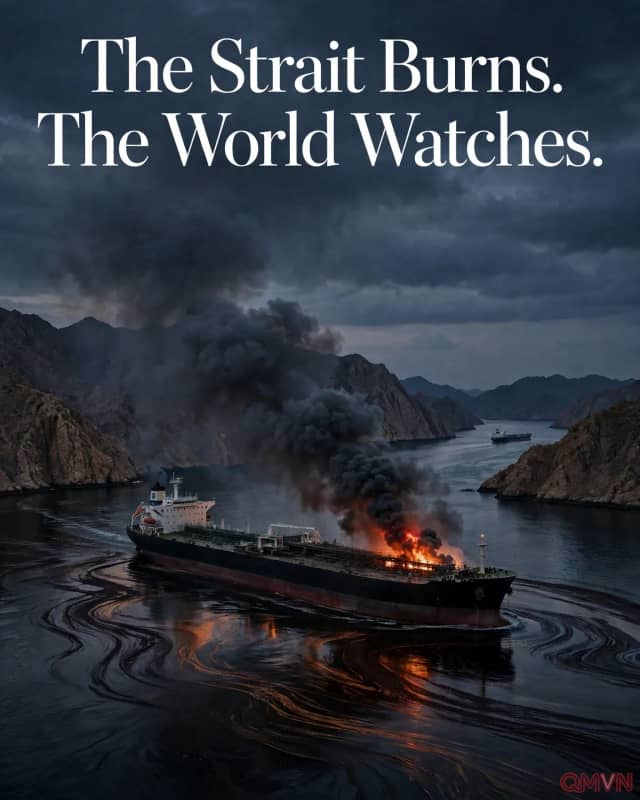
Bab el-Mandeb is one of the world’s most important maritime choke points. Oil tankers and cargo vessels travelling from the Indian Ocean through the Red Sea and the Suez Canal normally pass through it. When danger rises, shipping companies must consider not only crew safety, but insurance, delivery schedules and fuel costs.
The Associated Press described Mocha’s fall as the Houthis’ most significant territorial gain since the 2022 truce. Yet military advantage is not stability. Each advance can bring counterattacks, airstrikes and more uncertain days for people who live nearby. The stakes are heightened by the narrow geography: decisions made onshore can quickly change the risk calculation for ships and seafarers far from the front line.
Civilians bear the first pressure
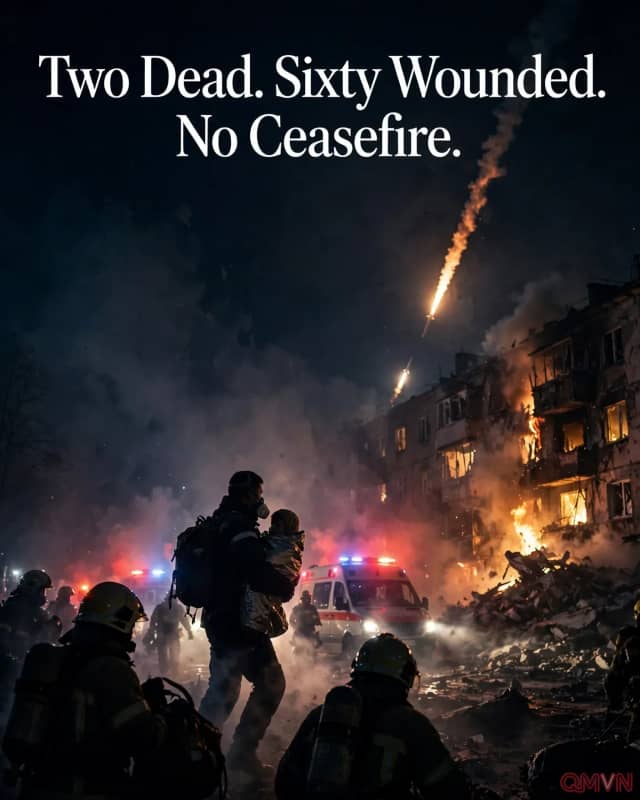
In war coverage, ports and oil prices often come first. For a family in Taiz or along the coast, however, the immediate questions are whether the market will open, clean water will arrive and children can reach safety. BBC cited reports of hundreds killed in the escalation and tens of thousands forced from their homes.