MAIN ARTICLE
Eleven days beneath the rainforest canopy
Janarino disappeared on November 10 near Ramal da Mércia at kilometre 12 of the BR-210 highway, north of Macapá. The circumstances were especially worrying: he was living with Alzheimer’s, had high blood pressure and was blind in one eye, according to local coverage. Memory difficulties and impaired orientation can make even familiar surroundings perilous, while forest conditions complicate attempts to retrace a route.
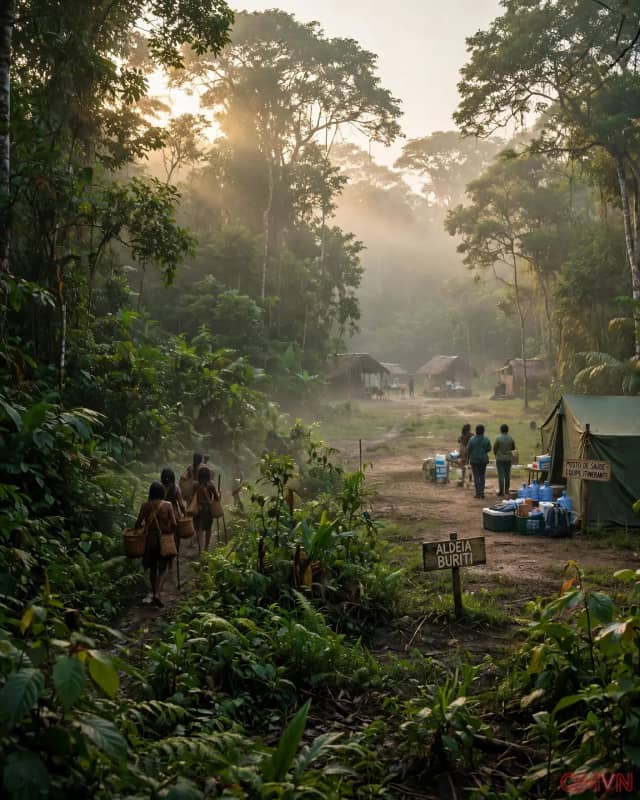
On November 20 searchers reached him in dense woodland close to Ilha Redonda. Accounts shared by rescuers and reported by AFP placed him about 10 kilometres from where he went missing. That figure describes displacement rather than distance walked. Footprints suggested he had repeatedly circled through parts of the forest, underscoring why a search perimeter cannot be drawn from a simple straight line.
Palm-leaf shelters and the clues that mattered
Park ranger Nerivan da Silva told Brazilian outlet g1 that teams encountered beds assembled from açaí palm leaves, along with tracks consistent with someone moving in circles. Such traces can help determine where a missing person has sheltered and where the next search effort should be concentrated.
Local teams identified as Xibante de Selva and Guarda-Parque were credited with finding him.
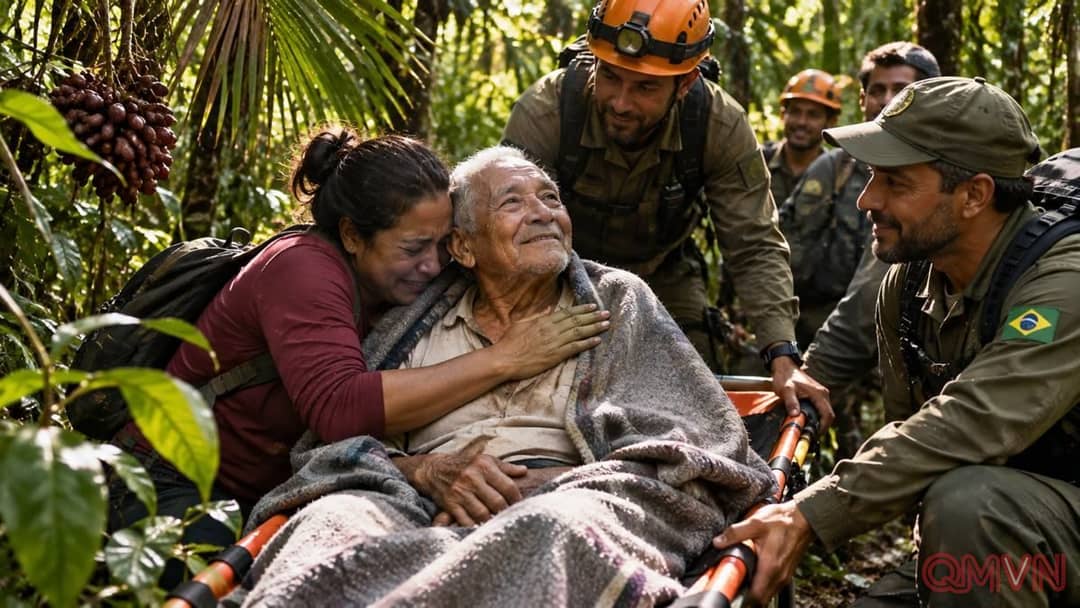
Rescuers then carried Janarino through the vegetation on an improvised stretcher. The aerial tactical rescue group, known locally as GTA, reported that he was greatly weakened but conscious and considered out of immediate danger. He was transferred for medical care in Macapá. According to the Brazilian news site g1, he remained hospitalised on the morning of November 22; there was no basis to describe him as fully recovered.
What experience in the forest could—and could not—do
Local media reported that Janarino ate buriti fruit from an Amazonian palm and drank water from natural sources. As a former informal miner accustomed to the forest, he may have drawn on practical knowledge accumulated over many years. But no independently verified account establishes precisely what he ate, how far he walked or what happened on each of the days he was missing.
The Amazon’s thick understory can reduce visibility to only a few metres. Rain and vegetation can obscure tracks, while calls for help may not travel far. His story should not be mistaken for a survival manual: unknown plants, untreated water, exhaustion and existing health conditions can quickly become dangerous. What worked in one reported case cannot reliably protect another missing person.
A family’s appeal and a community response
As uncertainty grew, granddaughter Sara Montes used social media to plead for rescuers to keep searching, amid concern that operations might be suspended. Her appeal gave public voice to the anguish of families whose relatives with cognitive impairments go missing. Relatives, volunteers, rangers and rescue personnel continued working across a difficult landscape until the search finally succeeded.
There are practical lessons beyond the emotional reunion. Families caring for people at risk of wandering can prepare up-to-date contact details, photographs and an early response plan, while working with local responders if someone disappears. Location devices may help when used with appropriate consent and safeguards, but they cannot replace sustained human support. The rescue in Amapá was extraordinarily welcome; it does not make the dangers of getting lost in a tropical forest any less real.