Returning to Afghanistan, confronting war memories
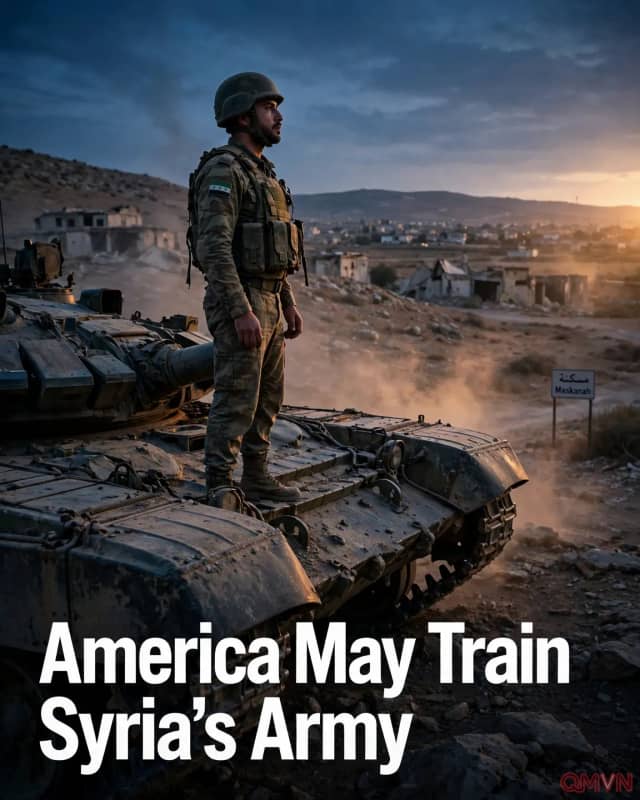
The former U.S. Marine began his journey in Afghanistan as a leader of seven elite snipers and a medical officer during the Marjah battle in 2010. During this period, he admitted to being involved in the deaths of about six to seven people but still wrestled with their fates, especially one victim who might have died roadside or could have been rescued in time. This battle took place amid the 20-year-long Afghanistan war, which ended with the Taliban's return to power, making all efforts and suffering seem meaningless.
The impact of war is evident through the contradiction in their mission: both trying to 'win hearts and minds' of civilians to isolate the Taliban and standing in a situation where they had to shoot right next to civilian homes. This created confusion and immense pressure in determining who the enemy was, with each lethal decision based on instinct and fear of making a mistake.
Culture of violence and battlefield trauma
In the U.S. military, killing the enemy is sometimes viewed as a measure of excellence. This creates a violent environment where each fired shot becomes the final act of a plan doomed from the start. War not only divides Afghan society by excluding women and suppressing minorities but also forces the U.S. to prolong the conflict, despite strategic failures and deep wounds inflicted on the local population.