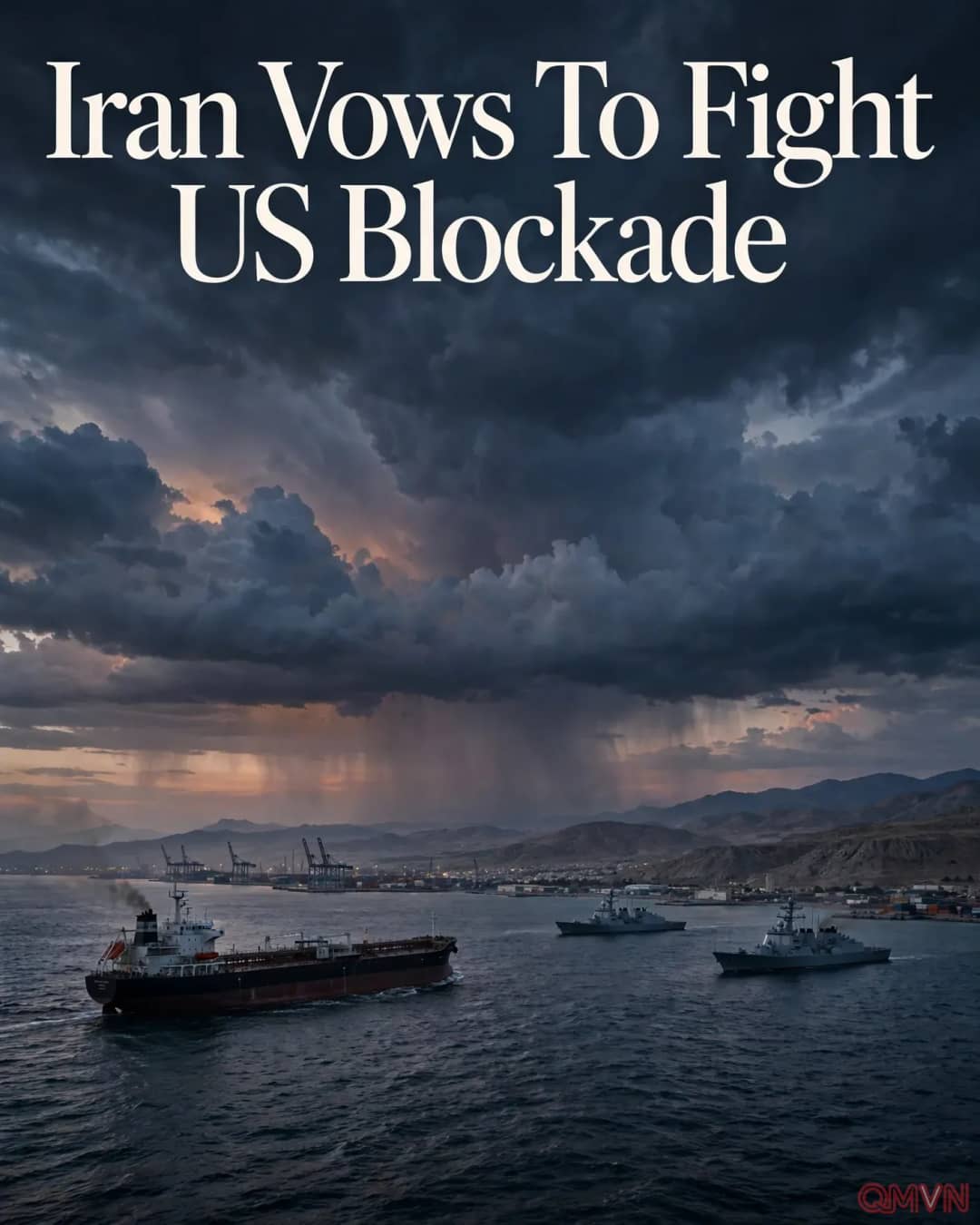
Tehran's Warning and Conditions for Reopening the Strait of Hormuz
Speaking at his weekly press conference on Monday, November 23, Foreign Ministry spokesperson Esmaeil Baghaei declared that Iran will not tolerate Washington's naval blockade targeting Iranian-related oil shipments.
Iran maintains that it controls passage through the strategic Strait of Hormuz and will only reopen the waterway once Washington meets its conditions, including halting hostilities, lifting the naval blockade, and waiving sanctions.
"We will definitely not tolerate it (the blockade) and we will use all our tools to confront this US aggression." Esmaeil Baghaei
"The naval blockade ... is considered a military aggression. Iran has the right to use any available tool to defend itself in this regard." Esmaeil Baghaei
"If the other side (the US) fulfils the related conditions we will be able to execute our commitments in the shortest time possible." Esmaeil Baghaei
Iran classifies the US naval blockade as military aggression and asserts its right to respond using every available tool.
Tehran continues to restrict passage through the Strait of Hormuz pending a halt in hostilities, removal of the blockade, and sanctions waivers.
Baghaei stated Iran can fulfill its commitments to reopen the Strait rapidly once US conditions are met.
Strategic Leverage Over the Strait of Hormuz
By linking transit through the Strait of Hormuz directly to sanctions relief and the end of the blockade, Tehran is leveraging the vital energy chokepoint in its standoff with Washington.
Timeline of the Blockade and Impact on Iranian Crude Exports
The US blockade on Iran-related oil exports was initially imposed on April 13, 2026, temporarily lifted in June after Washington reached a draft understanding with Tehran, and subsequently reimposed on July 14 following the collapse of that agreement.
Visible Iranian crude exports have dropped to near zero in recent months as a result of the blockade. Last week, TankerTrackers.com reported that a tanker was loading Iranian crude in the Gulf via ship-to-ship transfer and could become the first vessel to export the country's oil since July, though Baghaei dismissed such reports on Monday as speculations.
The US blockade began on April 13, paused in June during a brief draft understanding, and resumed on July 14 after talks collapsed.
Observable Iranian crude oil exports have fallen to nearly zero in recent months under the naval restrictions.
Baghaei dismissed reports from TankerTrackers.com regarding ship-to-ship crude loading in the Gulf as mere speculations.
Disputed Reports of Ship-to-Ship Oil Transfers
While maritime tracking analysts pointed to potential ship-to-ship crude transfers in the Gulf as a way to bypass the blockade, Iran's Foreign Ministry declined to confirm any active export shipments.