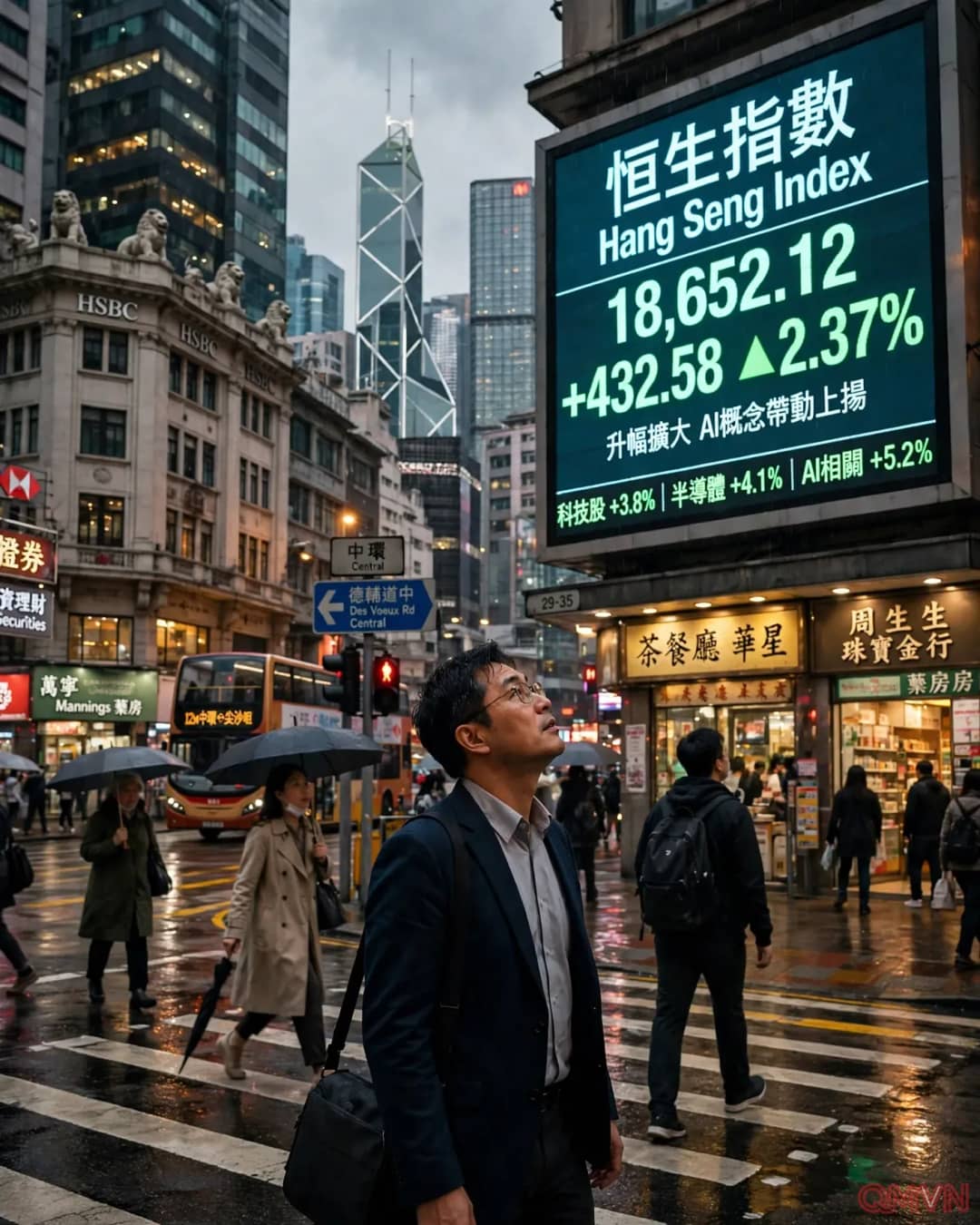
A session of returning confidence
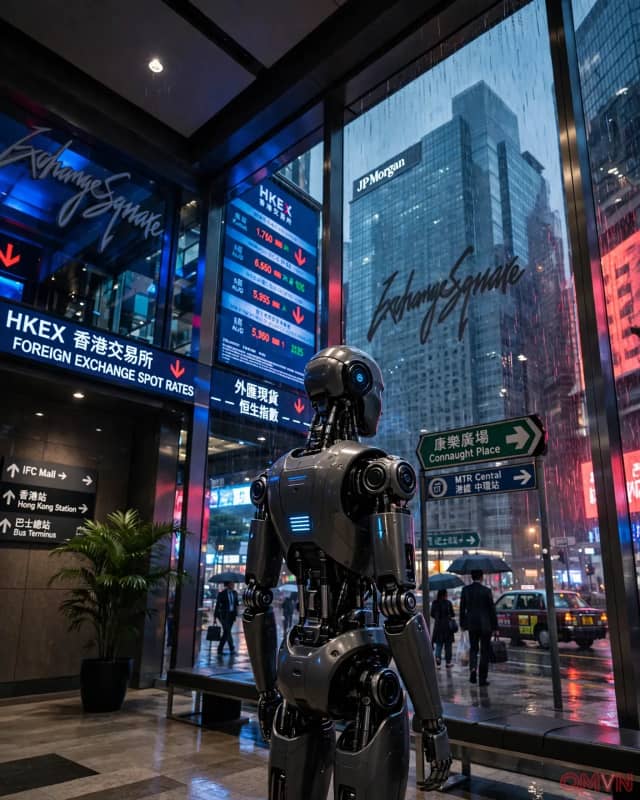
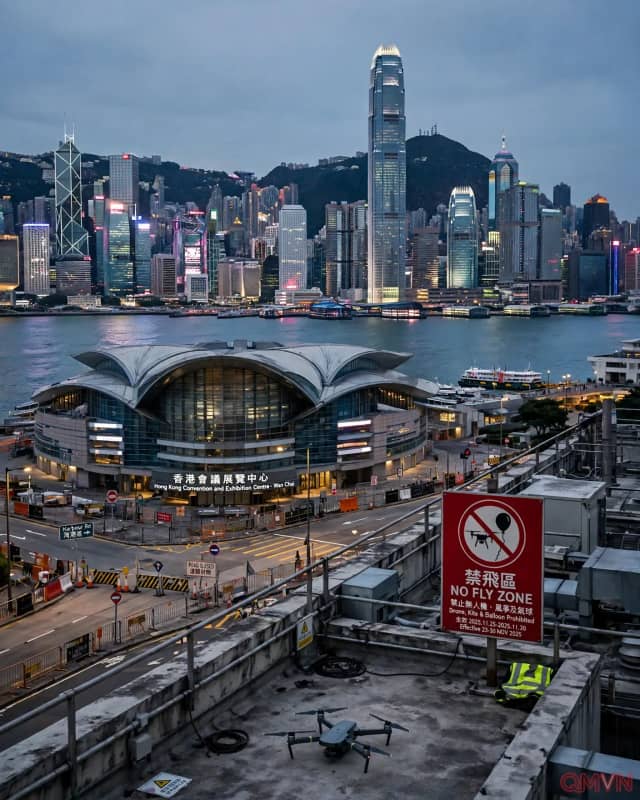
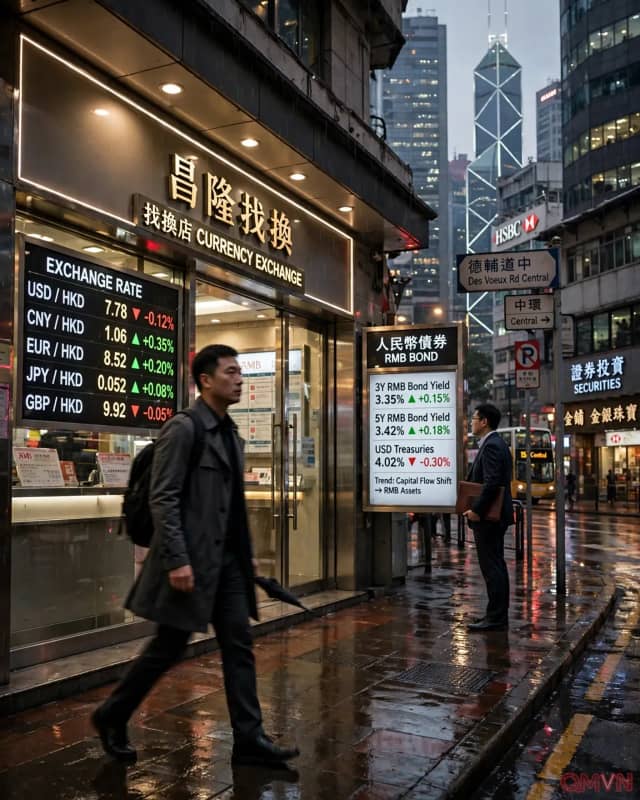
According to the South China Morning Post, the Hang Seng rose 0.3% to 22,450.82 as of 10.33am local time. The modest gain in Hong Kong contrasted with a sharp rally in mainland tech stocks, where investors quickly poured money into the AI hardware supply chain.
Makers of optical transceivers, a key component in the data centres of US hyperscalers, benefited most visibly.
Investors hope that stability at the top of Nvidia will mean sustained demand for AI infrastructure spending.
Three turbulent weeks for Asian markets
Today's rebound follows a period of intense volatility since Huang's scandal broke:
- In early November, when Nvidia opened an investigation into its CEO's relationship with a woman accused of spying for China, the Nikkei 225 and Kospi plunged about 6% and 9% in one session, while the Hang Seng fell more than 1%.
- After Huang resigned, Asian markets kept sliding as worries about the future of the AI boom spread to South Korea and Japan, where AI hardware stocks carry heavy weight.
- On 18 November, Nvidia's third-quarter revenue of $115.8 billion lifted Asian chip stocks sharply, but most of the gains quickly faded.
Compared with levels above 24,000 in mid-month, the Hang Seng remains noticeably lower, suggesting confidence has not fully returned.
Risks remain
Several analysts warn that even with Huang back, easing the immediate key-man risk, the prospect of tighter governance requirements and fresh political or regulatory constraints will continue to hang over Nvidia's shares.
Washington's decision to add Megaspeed and six other Southeast Asian firms to its trade blacklist is also a reminder that chip export controls are tightening, which could affect supply chains across Asia.
Hong Kong and the mainland in the AI race
The gap between gains in Hong Kong and on the mainland reflects different market structures. Mainland indices such as the Star 50 and ChiNext are packed with semiconductor and optical component makers tied directly to the global AI supply chain, while the Hang Seng is heavily weighted towards finance, property and consumer conglomerates.
Even so, both markets point to the same reality: in the AI era, any upheaval in Silicon Valley can ripple instantly to Shanghai, Shenzhen and Hong Kong.