Eleven turbulent days
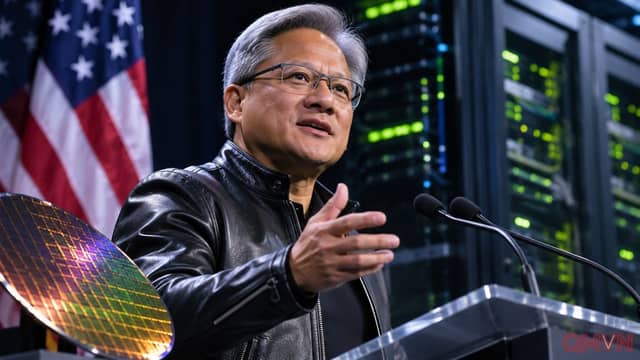
On 8 November, Huang admitted to an extramarital affair in a letter to Nvidia employees that did not name the woman involved. Days later he resigned, as US media reported that American intelligence suspected Alice Huang of being a Chinese spy. Beijing has denied the allegations, and she has not been charged.
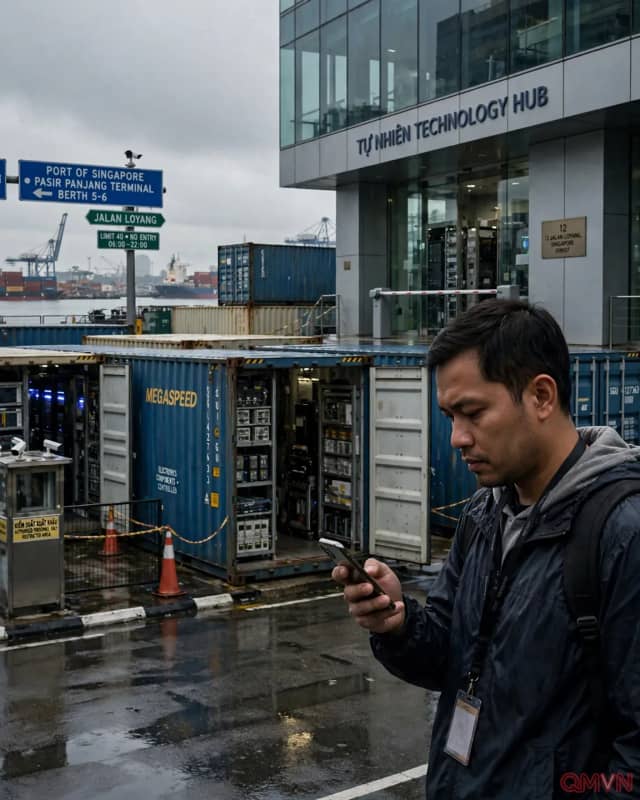
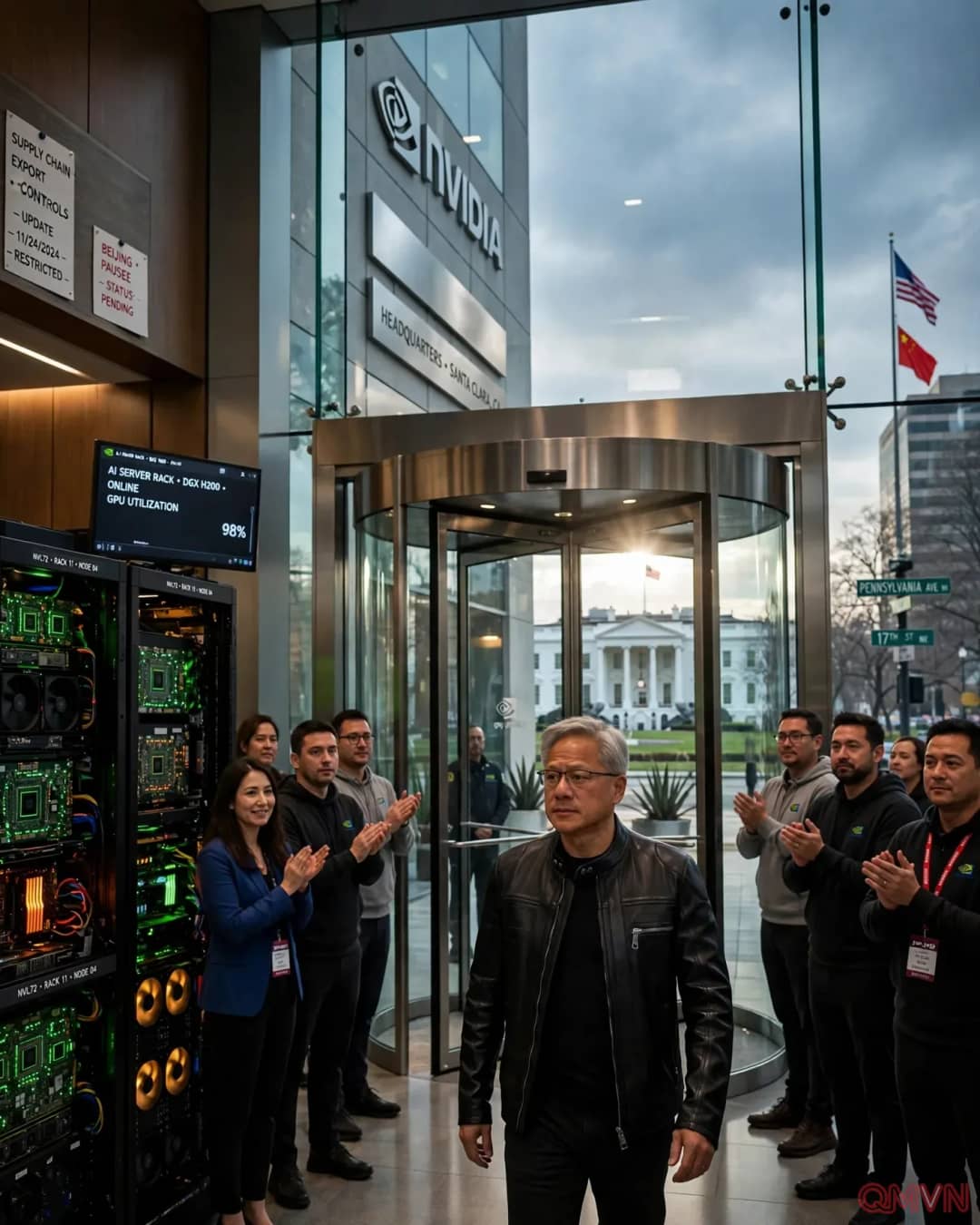
On Monday, Nvidia reinstated Huang as CEO, president and board director. The same day, the Commerce Department added Megaspeed to its trade blacklist, as if to close one chapter and open another full of questions.
Takeaway one: a divided administration
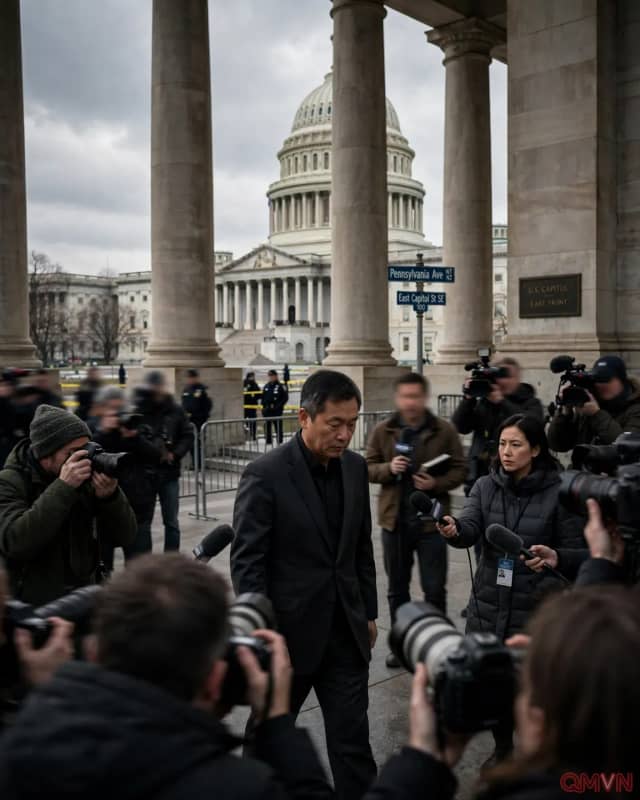
The affair exposed a rare rift in the Cabinet. Treasury Secretary Scott Bessent publicly faulted the Commerce Department, led by Howard Lutnick, for delaying Megaspeed's blacklisting, even though Treasury, State, the Pentagon and the US Trade Representative's office had backed the move for months.
The pen is in Commerce so I'd point you there.
Lutnick has faced scrutiny over his reportedly close relationship with Huang and, according to Axios, received a classified memo in the spring warning about the Nvidia chief's ties to a suspected spy. A Commerce spokeswoman denied reports of a confrontation between the two secretaries. On Sunday, Bessent told CBS News the administration had still not received satisfactory answers from Nvidia about alleged illegal chip sales.