MAIN CONTENT
When an explanation does not become usable help
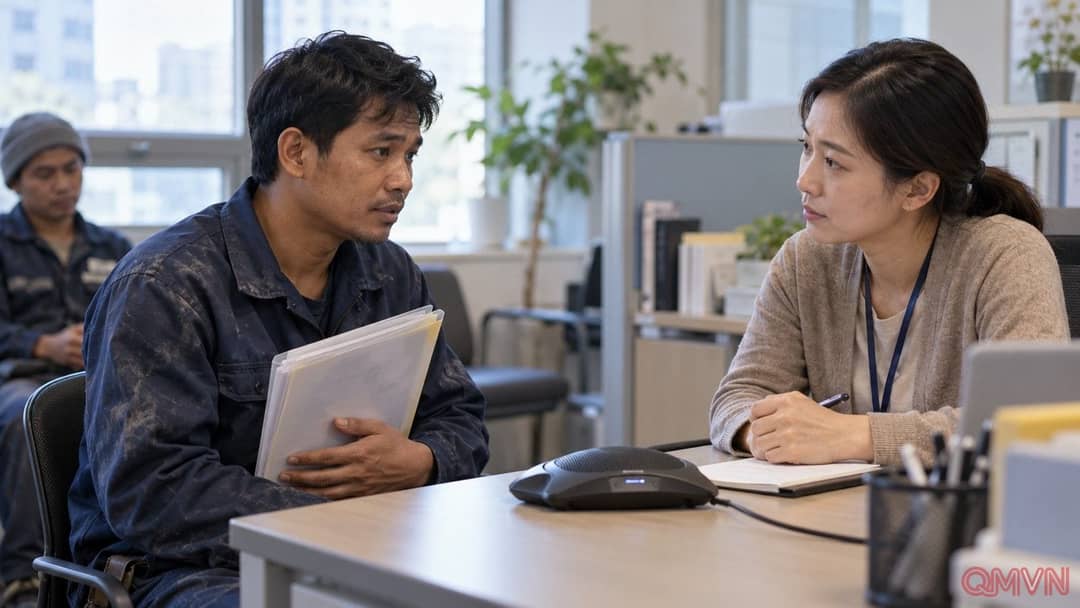
Kim Yi-chan, head of the Global Station Center supporting Cambodian workers in South Korea, described a quiet failure at the point of access. Some workers cannot file complaints because they do not understand officials’ guidance. Others return without grasping what is happening. In remarks reported by The Korea Herald, Kim described cases of workers waiting up to two years because they thought complaints had been submitted. These are cases he witnessed, rather than an average waiting time across the system.
Receiving an explanation and understanding it are separate steps. For someone facing a wage dispute, the gap can shape what happens next: providing documents, returning to the appropriate office or continuing to wait. The account does not give the outcome of each case, but it identifies uncertainty at the entry point. A procedure intended to protect rights becomes useful only when a person seeking help can recognize that they have actually entered it.
Udaya Rai, head of the Migrants’ Trade Union, said Nepali-language services differ between offices, with some requiring an interpreter to attend in person. When workers cannot bring one, some officials use gestures or other methods, while others continue explaining in Korean, he said. A willingness to communicate is valuable. It cannot, however, replace accuracy when the conversation concerns a complaint that may affect someone’s livelihood.