MAIN CONTENT
A public appeal that exposed a liquidity emergency
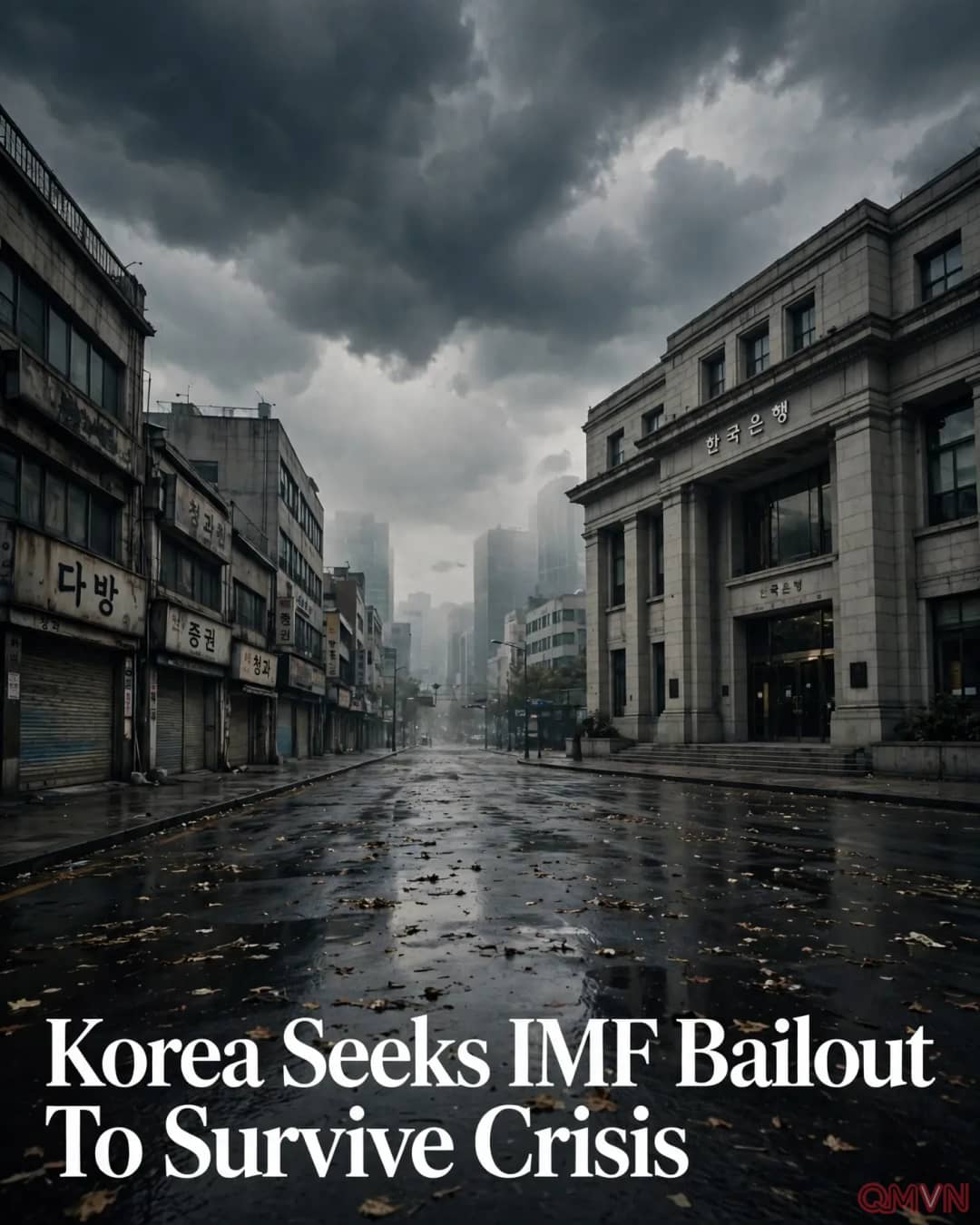
The November 21 announcement marked a decisive change in the government's response to the crisis. For months, South Korea had tried to stabilize financial institutions and reassure markets while major companies collapsed under debt burdens. What began elsewhere in Asia during 1997 had become a domestic shortage of readily available foreign currency. The immediate danger was not simply that assets had lost value; banks and businesses faced obligations denominated in dollars that could not easily be refinanced.
As creditors refused to roll over short-term loans, foreign-exchange reserves available for intervention came under mounting strain. The authorities faced an uncomfortable choice between seeking outside financing and allowing a destabilizing rush for dollars to continue. The appeal to the IMF acknowledged that the problem had exceeded the capacity of ordinary market measures. It also sent an unmistakable signal to households whose savings and livelihoods were tied to the national economy.
What the rescue package actually contained
The frequently cited $58 billion figure can obscure the rescue's structure and timing. On December 4, 1997, the IMF Executive Board approved a three-year stand-by arrangement worth roughly $21 billion.