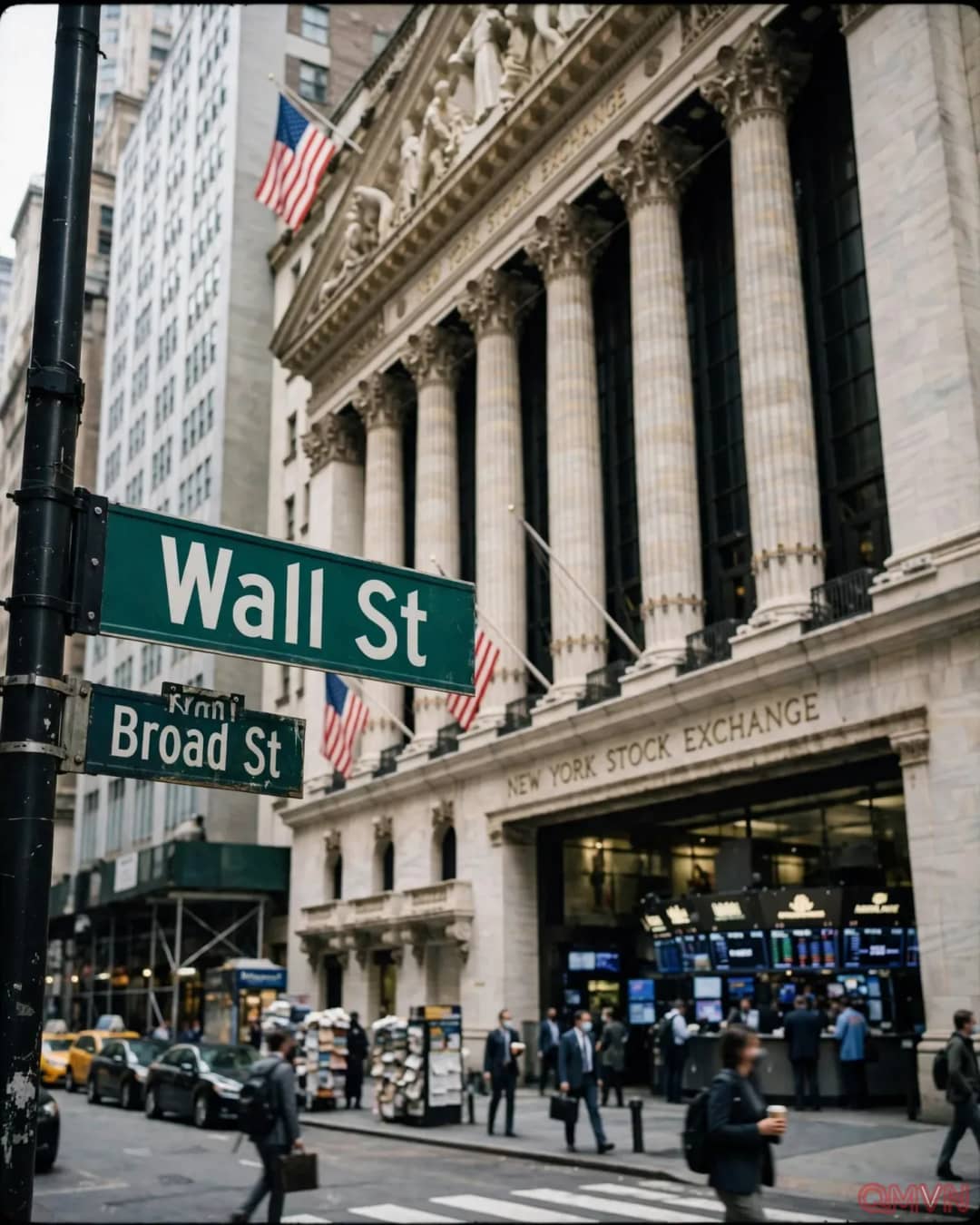
Wall Street and major financial institutions scrutinize critical United States midterm races shaping capital regulation and artificial intelligence
Beyond the overarching contest for congressional majorities, Wall Street investment houses and global financial market participants are closely monitoring a select group of competitive races in the 2026 United States midterm elections that will determine the fortunes of key industry allies and regulatory architects. Critical Senate contests across Ohio, Kansas, Texas, and Nebraska, alongside pivotal House committee battles, are poised to reshape federal policy governing cryptocurrency frameworks, credit card transaction caps, antitrust oversight, and the ongoing investment surge in artificial intelligence infrastructure. A Democratic breakthrough in either legislative chamber would arm progressive lawmakers with sweeping subpoena authority to investigate commercial banks and digital asset brokers, while contentious gubernatorial contests across premier states will dictate the regulatory clearance of roughly $2.5 trillion in capital deployment for energy-intensive artificial intelligence facilities.
Edite QUANG MINH·2 min read · 3 min listen·2 November 2026, 07:04 EST·
AI-generated illustration
MAIN BODY
The Ohio Senate showdown and digital asset political expenditures
The most intensely scrutinized race on Wall Street unfolds in Ohio, where veteran financial reformer and digital asset skeptic Sherrod Brown seeks to recapture his Senate seat against Republican incumbent Jon Husted. Backed by over $50 million in independent political expenditures from digital asset political action committees, the confrontation represents a definitive referendum on the political influence of emerging fintech capital.
Advertisement300 × 250
*"If Democrats capture the Senate, Sherrod Brown’s restoration to committee leadership would place financial regulators and crypto firms under unprecedented scrutiny." — Market Intelligence Report by Beacon Policy Advisors*
Should Brown prevail and reclaim seniority to helm the powerful Senate Banking Committee or assume senior standing on the Agriculture Committee, financial institutions anticipate vigorous legislative probes into digital asset contagion risks and consumer lending protections. Prediction markets reflected a 69.5% likelihood of a Brown victory heading into the weekend, underscoring institutional unease.
Cryptocurrency political advocacy entities allocated over $50 million to defeat financial industry critic Sherrod Brown.
Republican Senator Jon Husted defends his appointed seat amid tracking polls indicating Brown leading by up to five percentage points.
Restoring Democratic seniority would position progressive oversight leaders at the apex of banking and market regulatory panels.
Interchange swipe fee controversies and gubernatorial oversight of computing infrastructure
In Kansas, conventional financial industry alliances have been upended as Republican Senator Roger Marshall faces a competitive challenge from Democrat Adam Hamilton. Despite traditional conservative leanings, Marshall has championed federal legislation imposing strict statutory caps on credit card interchange swipe fees, an intervention fiercely resisted by major commercial payment networks.
*"Ten gubernatorial elections this cycle will directly determine the statutory feasibility of $2.5 trillion in planned artificial intelligence data center investments." — Institutional Equity Strategy Group at Morgan Stanley*
Simultaneously, gubernatorial contests across Texas, Georgia, and Ohio command immense investor attention as grassroots resistance to industrial data center development escalates over water consumption and power grid strain. State executives hold discretionary permitting authority that will accelerate or impede capital outlays across the broader technology ecosystem.
Bipartisan momentum to restrict payment processing swipe fees threatens established interchange fee revenues for commercial retail banks.
In Texas, progressive challenger James Talarico confronts Attorney General Ken Paxton, who led antitrust lawsuits against Wall Street ESG policies.
State-level zoning and resource permits will determine the immediate deployment timeline for trillions of dollars in computing capital.
EVENT BACKGROUND
This intense regulatory scrutiny materializes on the eve of the 2026 United States midterm elections, where narrow Republican majorities across both congressional chambers hang in precarious balance. Against the backdrop of aggressive macroeconomic shifts, an unprecedented investment boom in computational artificial intelligence infrastructure, and the contentious institutionalization of digital assets, financial institutions confront a complex political landscape. Wall Street executives recognize that the composition of key congressional committees will determine the trajectory of capital reserve requirements, credit card profitability caps, and federal enforcement priorities during the remainder of the presidential term. Compounding these federal concerns, state-level races have emerged as critical economic gatekeepers as municipal resistance to hyper-scale data center energy consumption threatens technology capital expenditure models. The core crux of the situation lies in the convergence of populist regulatory skepticism on both sides of the aisle with multi-trillion-dollar technological transitions, where a handful of localized electoral outcomes will establish the operational parameters of global financial capital for the decade ahead.
KEY LESSONS LEARNED
Electoral dynamics and statutory committee assignments remain the primary structural drivers of capital market regulatory frameworks.
Emerging technological sectors such as artificial intelligence and digital assets are deeply contingent upon state-level infrastructure and federal legal oversight.
Resilient financial governance requires navigating cross-party populist sentiment that challenges traditional commercial revenue streams.
Subscribe to the QMVN newsletter
A daily morning digest - only stories worth reading, no spam.