MAIN STORY
Two shocks meet at the dinner table
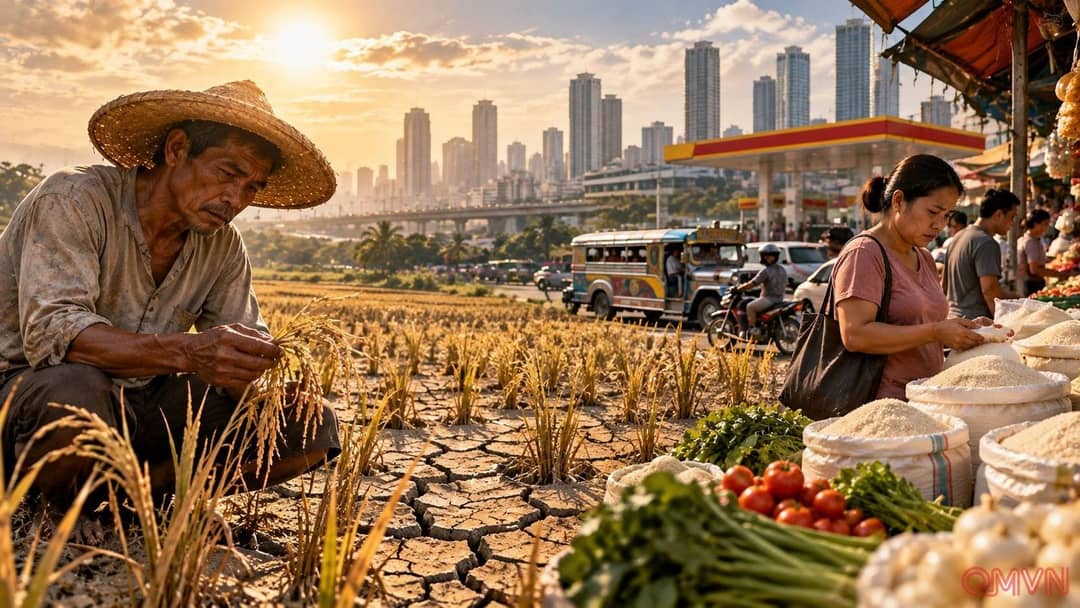
Expensive fuel raises the cost of freight, fertilizer and farm equipment. Should dry weather simultaneously reduce rice output, higher costs can move from fields to wholesalers to household kitchens. For poorer families, rice is not a discretionary purchase; there is little scope to postpone it while waiting for prices to fall.
The Philippine Statistics Authority reported September headline inflation of 7.2%, compared with 6.1% in August. Food and nonalcoholic beverages rose 6.7% from a year earlier, transport costs rose 14.6%, and housing, utilities and fuel rose 8.4%. The breadth of those increases makes the challenge larger than a temporary jump in any single commodity.
Why officials are testing a “Godzilla” scenario
Speaking during the IMF and World Bank annual meetings in Bangkok on October 14, Governor Eli Remolona described policy simulations combining high and low oil prices with ordinary and extreme El Niño cases. The dramatic nickname captures the severity of the downside possibility; it is not a forecast that such an event will definitely occur.